You know that feeling when you walk into a fabric store and see the price tags on basic sewing tools? I get it—sometimes it feels like we're paying premium prices for things that shouldn't cost so much. That's exactly why I love when you share your clever finds with me.
After I shared my discoveries at Home Depot, the comments completely changed my perspective on where to shop for sewing supplies. So many of you pointed me toward Harbor Freight, insisting I'd find even better deals and more options. Well, you were absolutely right.
I spent a rainy morning walking the aisles of my local Harbor Freight with your suggestions in hand, looking for sewing tools in a store that doesn't even sell sewing supplies. Some of your ideas surprised me, others made me wonder why I'd never thought of them before. But the real test? Taking everything back to the studio to see if these budget finds actually work for serious sewing projects.
The Mission: Quality Tools Without the Premium Price
Here's what I discovered: you can build an incredibly functional sewing toolkit without ever stepping foot in a fabric store. But not every hardware store find is worth your money, and some hidden gems work better than their expensive counterparts.
I tested each tool thoroughly, comparing performance to traditional sewing supplies and checking durability. The results? Some of these finds will completely change how you think about outfitting your sewing space.
Tool #1: Precision Snips That Rival $50 Embroidery Scissors
Kathy called me out in the comments—and she was absolutely right. I completely overlooked the precision snips at Home Depot, walking right past what might be the best sewing tool deal I've ever found.
These thread clippers deliver the same sharp, precise cuts you'd expect from high-end embroidery scissors, but at Harbor Freight, they cost just nine dollars. Kathy mentioned paying $40 to $50 for identical tools at fabric stores, which explains why she bought several to scatter throughout her sewing room.
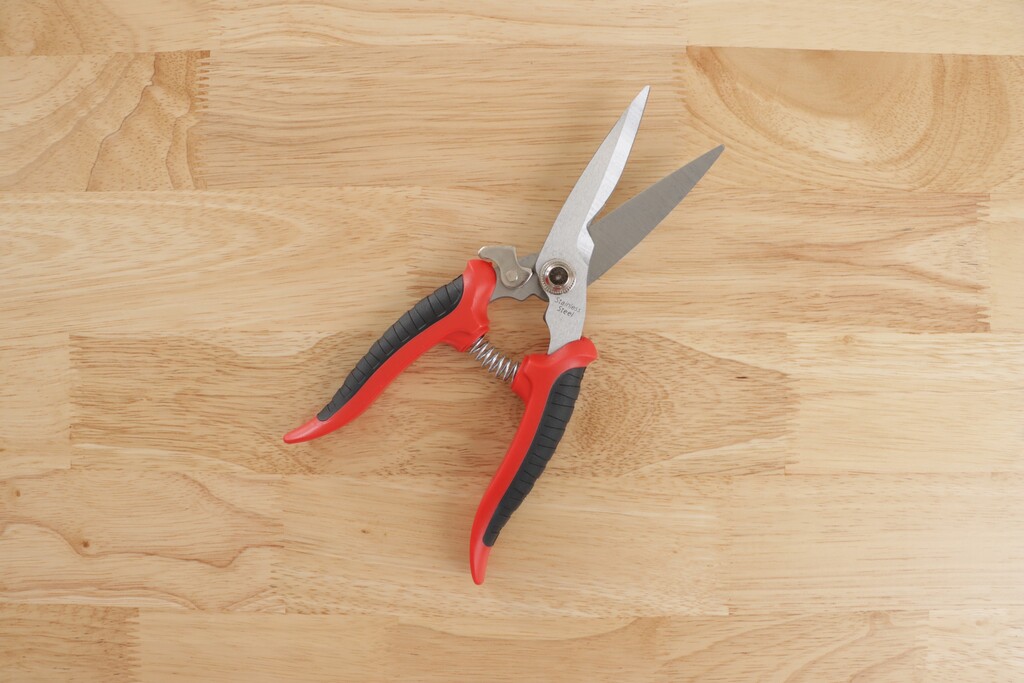
The weight feels substantial in your hand—not flimsy like some cheap alternatives. They're perfect for detail work, cutting threads in tight spaces, or keeping in your travel sewing kit. Plus, the cashier told me something amazing: these come with a lifetime guarantee. If anything happens to them, just bring them back for a full replacement.
I've been using mine for everything from cutting delicate silk threads to trimming seam allowances on heavy denim. They maintain their sharp edge beautifully and handle whatever I throw at them.
Tool #2: Never Lose Another Pin Again
Mary Ellen and several others mentioned telescoping magnetic pickup tools for a problem we all face—pins that seem to vanish the moment they hit the floor.
This ingenious tool extends from six inches to three feet, making it easy to retrieve dropped pins from under furniture, in carpet fibers, or from those impossible corners where pins love to hide. ColdBeforeNow added that they're especially great for finding pins that bounce off hard floors.
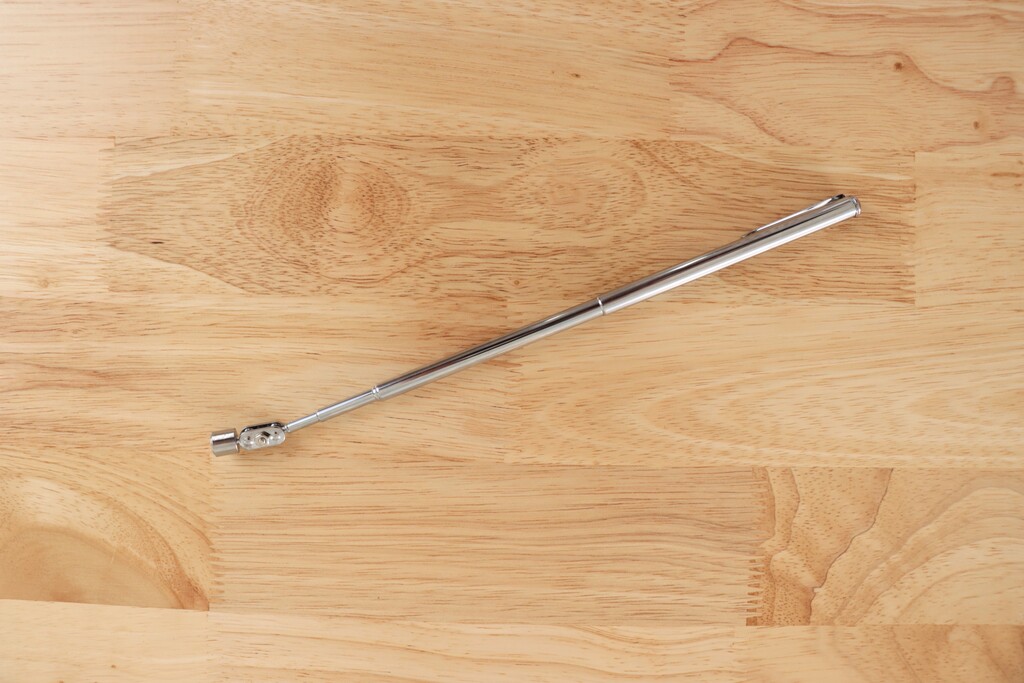
This is particularly helpful if you have kids or pets around. Just last week, I knocked over an entire dish of pins and spent twenty minutes on my hands and knees making sure I found every single one. This tool would have turned that frustrating search into a quick, easy cleanup.
Tool #3: Professional-Grade Measuring Tools for a Fraction of the Cost
ConkreteMan shared some serious professional knowledge that completely changed how I think about measuring tools. As someone with 30+ years in construction who also sews, he uses aluminum framing squares and 48-inch rulers for laying out long cuts and visualizing pattern repeats.
The price difference is staggering. This 48-inch aluminum ruler costs $7 at Harbor Freight. The quilting equivalent? Over $50. And these are actually more durable because they're designed for construction work.
When you're working with home decor projects, large quilts, or just trying to cut long, straight lines, this beats trying to piece together smaller rulers every time. You can even clamp it to your cutting table for stability—something you'd never want to do with an expensive acrylic ruler.
For anyone who works with large-scale projects or needs to cut multiple yards of fabric accurately, this is a game-changer that pays for itself immediately.
Tool #4: Keep Your Tools Sharp and Functional
Jay Chang shared a maintenance hack that'll save you from constantly buying new tools. These tiny needle files can sharpen scissors, clean up seam rippers, and restore dull needle tips.
Instead of throwing away scissors when they get dull or paying for professional sharpening, a few gentle strokes with these files brings them back to life. Jay was right when he said a 4-inch file is about the size of a marker—they're small but incredibly effective.
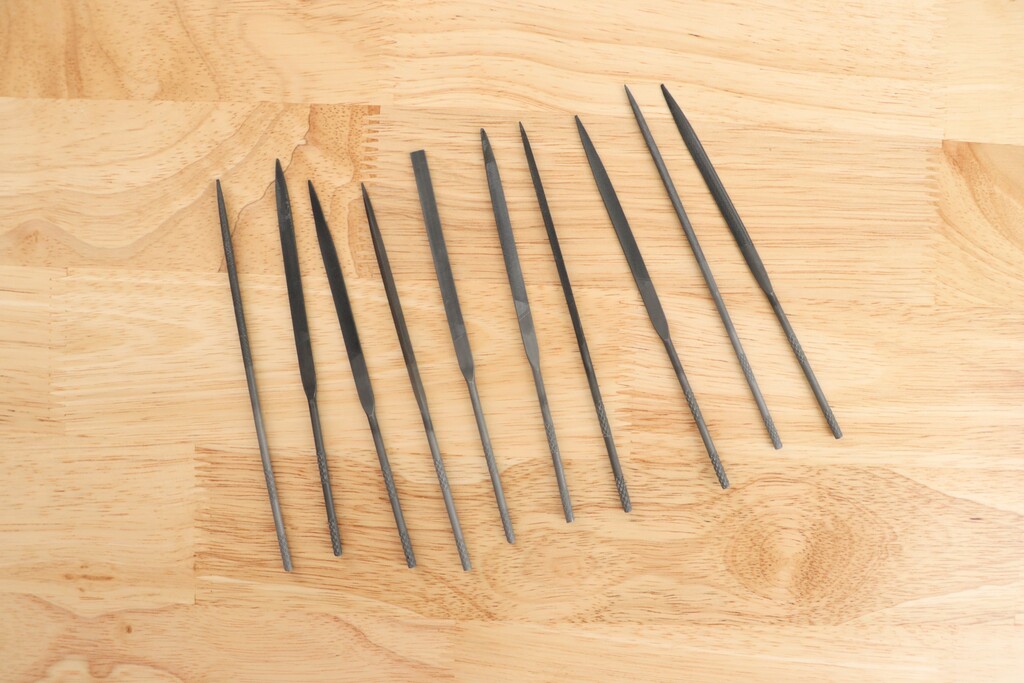
It's such a satisfying feeling to restore your tools yourself instead of constantly replacing them. I've brought several pairs of scissors back to perfect cutting condition with these files.
Tool #5: Rotary Cutter Blades in Disguise
Nancy shared a money-saving secret hiding in plain sight—rotary cutter blades in the carpet cutting section. These are identical to expensive fabric store versions but cost a fraction of the price.
The key is knowing where to look. Most people never think to check carpet installation supplies, but that's where the real savings are. These were actually on clearance at my store, making them an even better deal.
I tested them with multiple fabric types, and they perform exactly like premium blades. If you use a rotary cutter regularly, stocking up here makes perfect financial sense.
Tool #6: Better Than Quilting Gloves (For Less Money)
Wade discovered the perfect alternative to expensive quilting gloves, and I'm honestly kicking myself for not thinking of this sooner. These rubber-coated grip gloves cost three dollars versus twenty-plus for quilting-specific versions.
The grip is perfect for free motion quilting, handling slippery fabrics, or anytime you need better control. They're thin enough that you don't lose dexterity but grippy enough to handle anything.
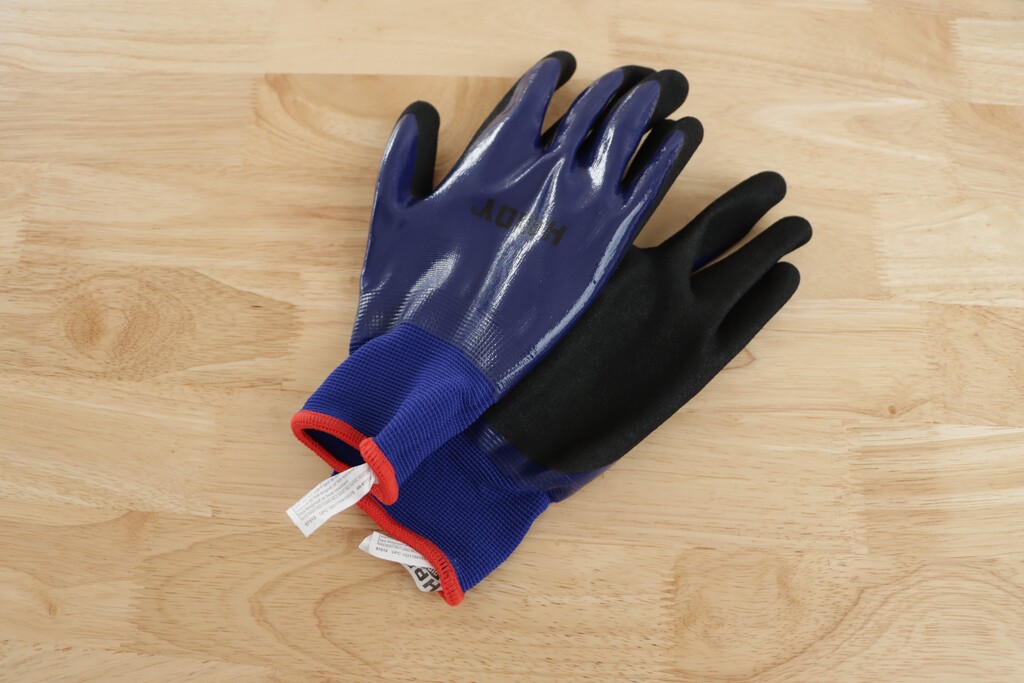
I've been using them for more than just quilting—they're fantastic when working with silk, satin, or any fabric that wants to slide around. The control they give you is remarkable for such an inexpensive tool.
Tool #7: Professional Sewing Furniture at a Fraction of the Cost
Harold mentioned a tip from Jeff the Bernina Guy that opened my eyes to furniture possibilities. While Harbor Freight doesn't carry the specific Husky workbenches Harold referenced from Home Depot, they do have adjustable wooden workbenches for just $159.
Think about this—dedicated sewing furniture costs thousands. This workbench gives you the same functionality for a fraction of the price. Manual height adjustment means you can set it perfectly for cutting, then lower it for machine work. It has wheels for portability and storage drawers for supplies.
The solid wood top won't dent or scratch like some sewing tables, and it's sturdy enough to handle any project. It's versatile enough to adapt as your needs change, making it a smart long-term investment.
Tool #8: Precision Tools for Detail Work
I picked up something I'm really excited about—a stainless steel tweezer set. I use tweezers constantly when sewing, especially long-handled ones and tweezers with bent tips. They're invaluable for turning corners, reaching tight spaces, and even threading sergers.
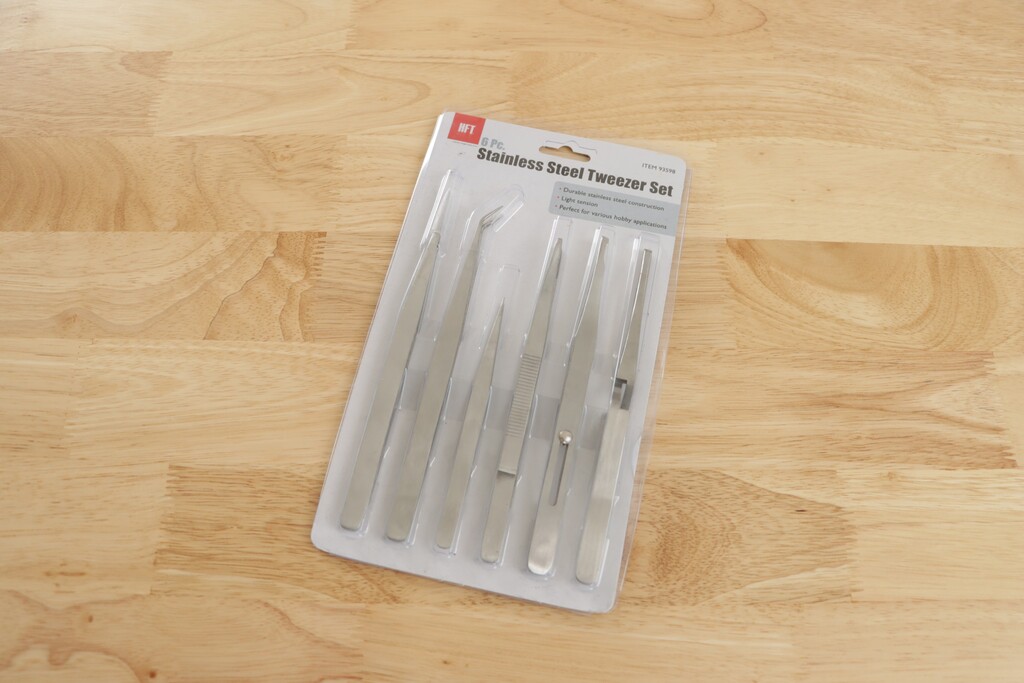
Having a complete set at this price point means I can keep them in multiple locations throughout my sewing room, so there's always a pair within reach when I need them.
Tool #9: Organization That Actually Works
Multiple sewists mentioned compartment storage boxes as organizational game-changers. lv2bgrumpy622 said these plastic toolboxes with adjustable compartments are almost identical to fabric store versions, just different colors and way cheaper.
The adjustable dividers let you customize compartments for whatever you're storing—bobbins here, buttons there, small notions in other sections. The clear lid means you can see everything at a glance.
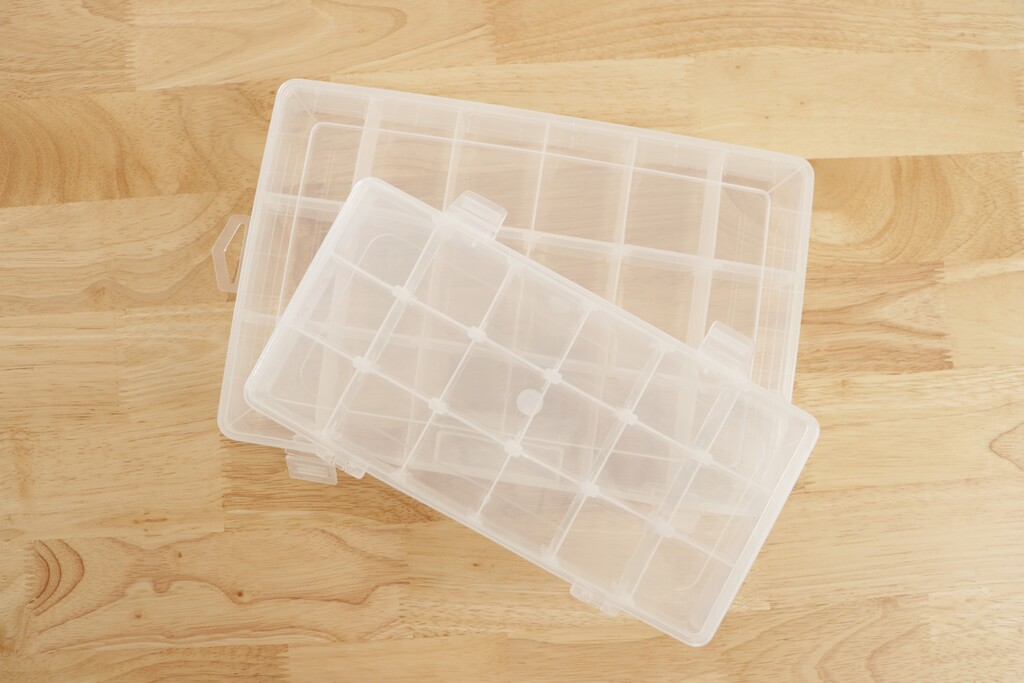
I love using different boxes for different projects. One holds all my bag-making hardware, another has quilting notions. It keeps everything contained and portable, making project organization so much easier.
Tool #10: Magnetic Solutions for Every Sewing Space
The automotive section revealed another treasure—magnetic tool trays and parts dishes. While I already use magnetic bowls for pins, Harbor Freight has many more options for corralling supplies with magnets.
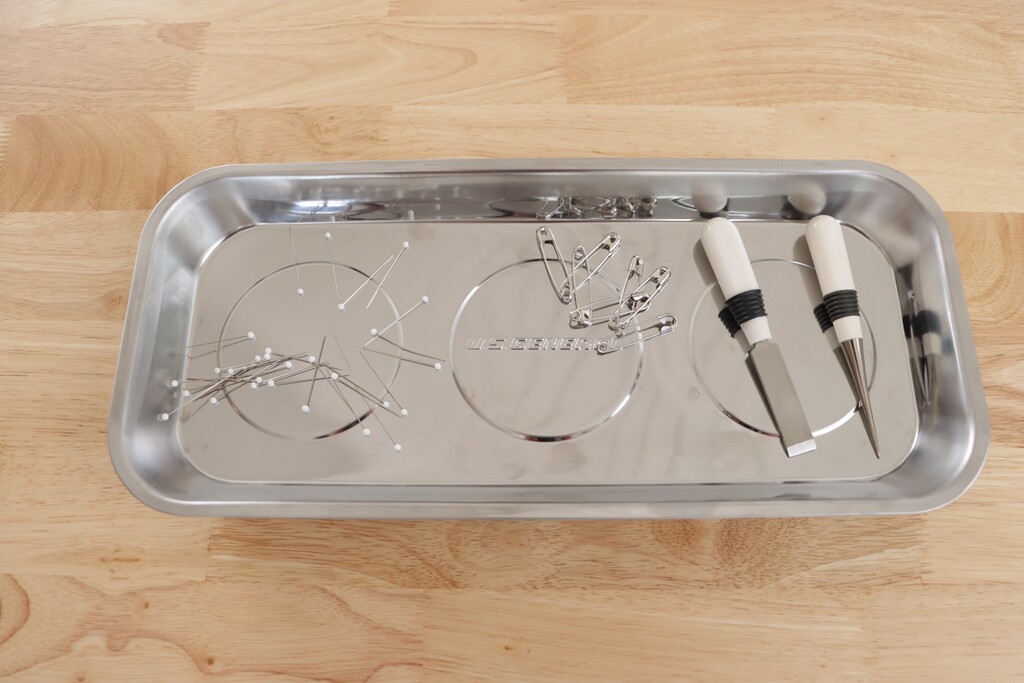
These magnetic trays keep tools handy when you're not using them, or can even attach to the side of a workbench. Just be careful about placing strong magnets too close to computerized sewing machines.
Smart Shopping Tips for Hardware Store Success
Before you head out on your own treasure hunt, here are some things I learned:
Stock varies by location, so call ahead if you're looking for something specific. Many stores will check inventory and even put items on hold for you.
Don't overlook clearance sections—I found several tools marked down significantly simply because they were seasonal items or slow-moving inventory.
Ask employees for help. The staff at my Harbor Freight were incredibly knowledgeable about their tools and offered great suggestions for alternative uses.
The Bottom Line on Budget Sewing Tools
Not every hardware store find will revolutionize your sewing, but the ones that work can save you significant money while performing just as well as premium alternatives. The key is being selective and testing thoroughly.
These discoveries prove that building a functional sewing toolkit doesn't require a huge budget or shopping exclusively at specialty stores. Sometimes the best tools are hiding in plain sight in the most unexpected places.
Read this article to see where this whole treasure hunt started: 10 Budget-Friendly Sewing Tools From the Hardware Store. You'll discover even more unexpected ways to outfit your sewing space without breaking the bank.
What unexpected places have you found great sewing tools? Have you tried shopping hardware stores for sewing supplies?
 Related Articles
 Best Articles