You've probably avoided sewing denim projects, thinking they'll break your needles, jam your machine, or just be too frustrating to finish. I totally get it—denim has this reputation for being difficult, and honestly, it can be if you don't know the right approach.
But here's the truth: once you understand the essential techniques, denim becomes not just manageable, but genuinely enjoyable to work with. Plus, the results? You'll have garments you want to wear for years, with that perfect fit you can only get from sewing for yourself.
After almost 30 years of sewing and 15 years of teaching people how to create meaningful, custom wardrobes, I've learned that most denim struggles come down to a few key mistakes. Today, I'm sharing the techniques that make working with denim feel effortless—from choosing the right weight to getting those perfectly pressed seams.
Choose the Right Denim for Your Project
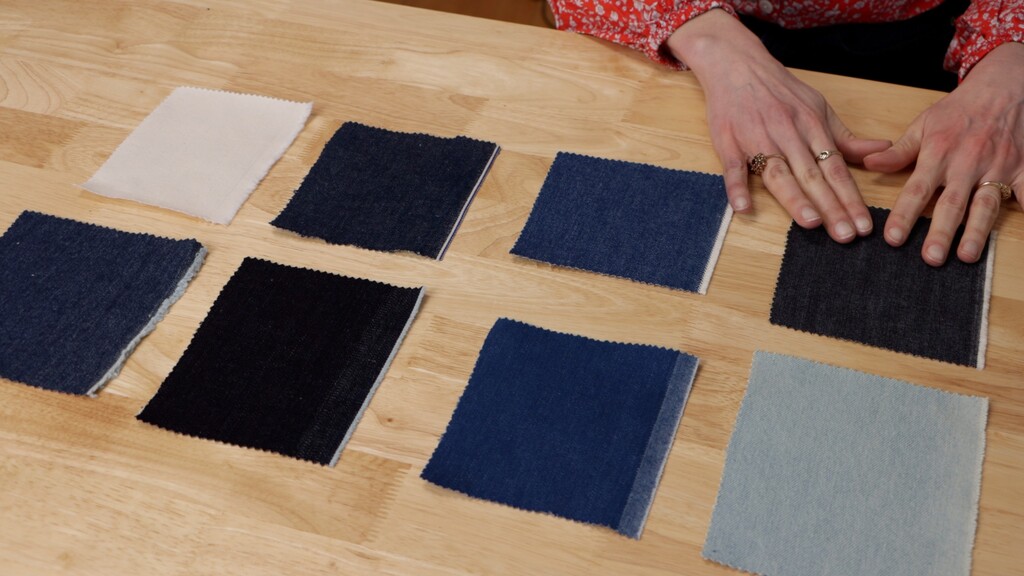
Not all denim is created equal, and knowing what to look for can save you from so much frustration later. I learned this the hard way when I tried to make a flowy dress in 12-ounce denim—it looked like I was wearing a tent!
Understanding Denim Weight
Here's the simplest way to decode denim: look for the ounces per yard on the fabric label. This one number tells you everything you need to know about how the fabric will behave.
4-6 ounces drapes beautifully and works perfectly for shirts and dresses. It has that lovely fluid quality that moves with you.
7-9 ounces is your versatile middle ground—ideal for jeans, skirts, and lighter jackets. This is probably what you'll use most often.
10+ ounces stands rigid and structured, perfect for heavy-duty jackets and that classic denim jacket look.
Match the weight to your project, and you'll get professional results every time.
Types of Denim and How They Behave
Weight is just part of the story. The type of denim affects everything from ease of sewing to how your finished garment will look and feel.
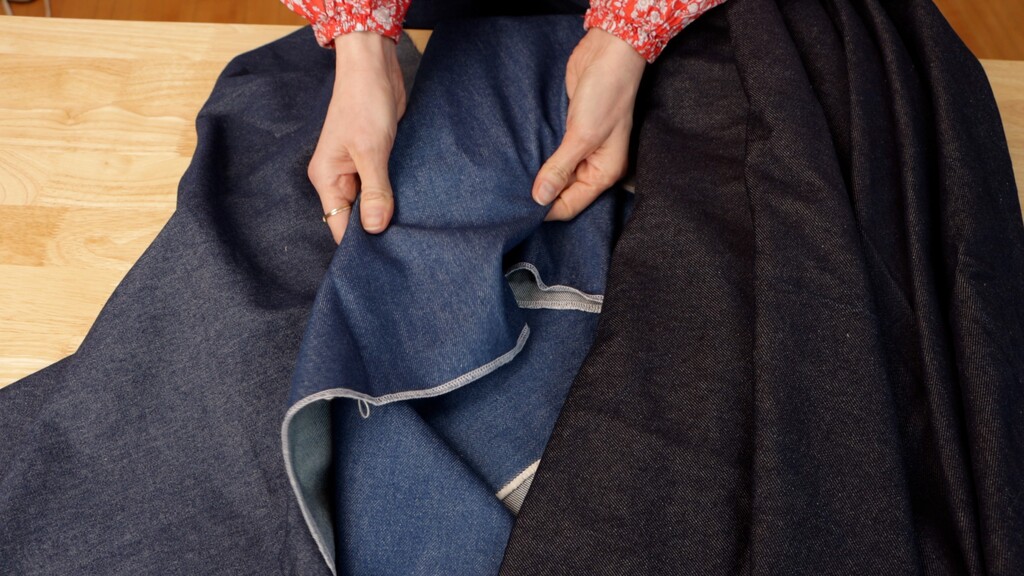
100% cotton denim is pure cotton with no added stretch fibers. It tends to be stiffer and more robust, with only the natural give from the twill weave. The payoff? It ages beautifully and becomes softer with wear—think of those perfectly broken-in vintage jeans.
Stretch denim contains elastane (usually Lycra or spandex), giving you recovery beyond what the twill weave provides. It's more comfortable to wear, but the downside is it tends to wear out more quickly than 100% cotton.
Raw denim is left unwashed after dyeing, so it has a very stiff hand and will shrink significantly when first washed. Washed denim goes through a washing process after dyeing to pre-shrink and soften it, making it much easier to work with.
Selvedge denim has those clean finished edges instead of regular cut edges. It usually comes in narrower widths—around 24 inches—and you'll often use that selvedge edge as your side seam for that authentic vintage look when you cuff your jeans.
Quality Indicators to Look For
When you're facing a wall of denim choices, these quality markers separate the winners from the duds:
For lightweight denims, look for fabric that still has body. Some are so thin they feel flimsy and won't hold their shape well in finished garments. You want something that drapes nicely but doesn't collapse.
With stretch denims, do a recovery test: stretch a small section and let it go. It should spring back immediately. If it stays stretched out, that denim will lose its shape quickly in your finished garment.
Check the selvage edges too. Even if you're not buying selvedge denim specifically, clean, tight edges indicate better quality control in the weaving process.
The color is another quality indicator. Good quality denim has depth to the color, with subtle variations that come from proper indigo dyeing.
Pre-washing Is Absolutely Essential
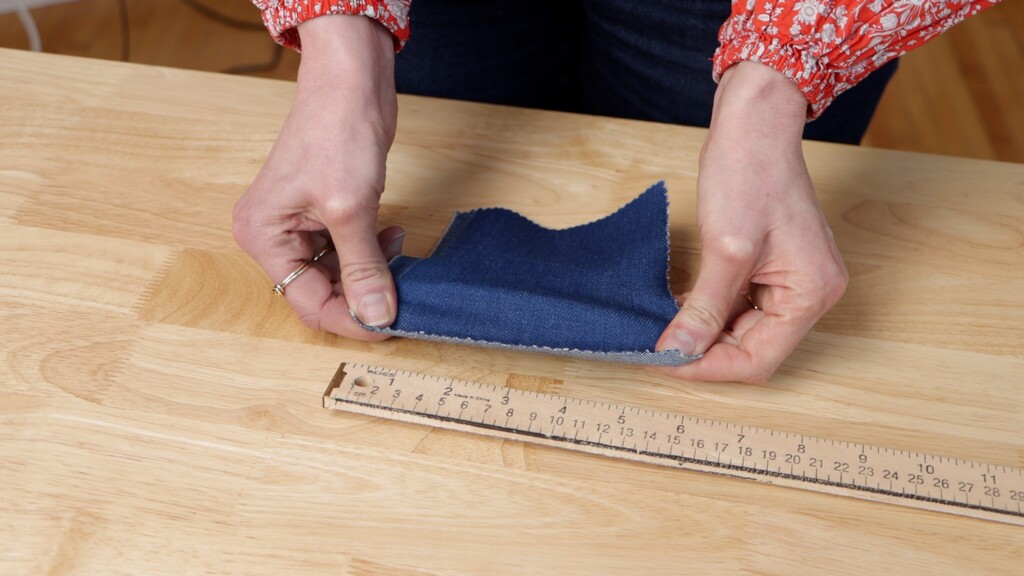
I cannot stress this enough: pre-washing is non-negotiable with denim. Denim can shrink significantly—sometimes up to 10%—and it can also bleed dye all over your other laundry. Trust me, I once turned a load of white shirts pale blue because I skipped this step!
Here's my process: wash your denim separately in warm water. Don't worry about being gentle here—you want to get all the shrinkage out now, not after you've spent hours sewing.
If you're working with raw denim or very dark colors, you might need to wash it a few times to get the excess dye out. After washing, tumble dry on warm. Some people air-dry denim to be gentler, but I want to make sure I get all possible shrinkage out during pre-treatment.
The hand of the denim will also change dramatically after washing. It becomes softer and more pliable, which makes it so much easier to work with. This is especially noticeable with raw denim—it transforms from feeling like cardboard to having that familiar denim drape.
Sharp Blades Make Denim Cutting Effortless
Denim can be challenging to cut cleanly because of its thickness and density, but the right approach makes all the difference.
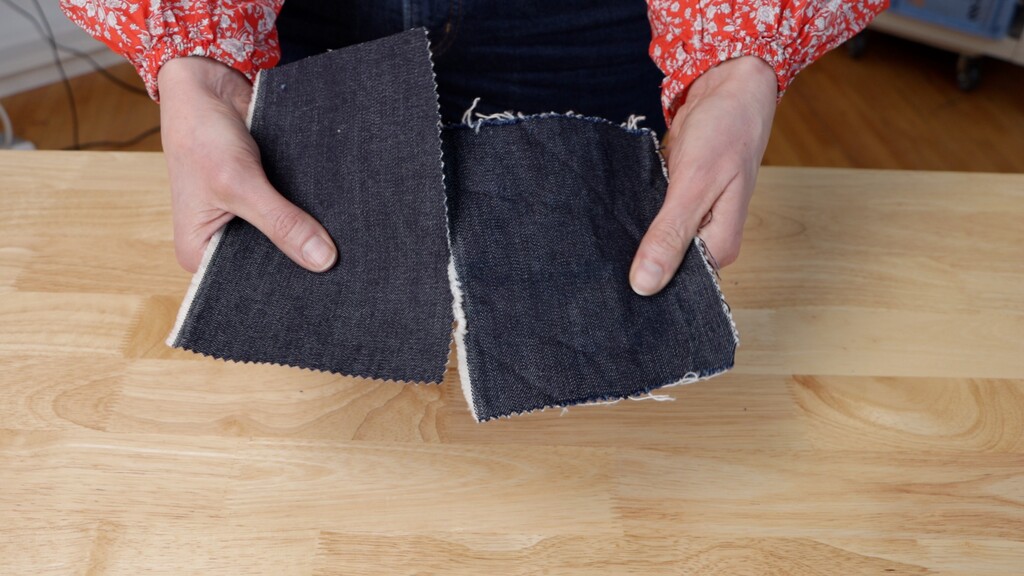
Here's the rule that solves most denim cutting problems: use a fresh blade for every project. Denim's dense weave is tough on blades and dulls them quickly. Use a dull blade and you'll get frayed edges that are harder to sew cleanly. Start with a sharp blade and your cuts will be clean and professional-looking.
When working with particularly heavyweight denim, I sometimes cut single layer instead of folding the fabric. This gives me more control and prevents the layers from shifting. Yes, it means cutting each piece individually, but the precision is worth the extra time.
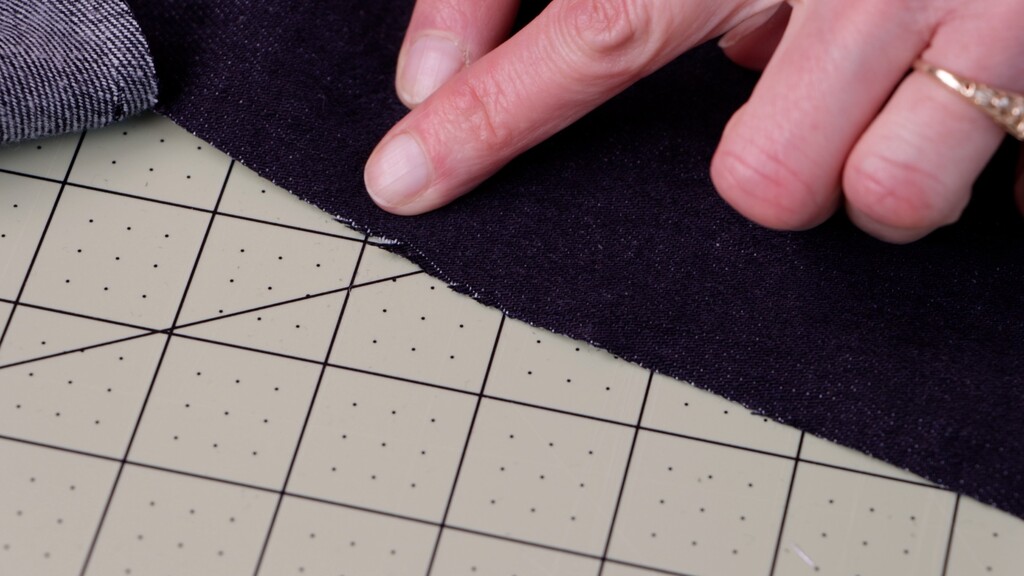
Once you've made your cuts, handle the pieces carefully. Even 100% cotton denim has mechanical stretch from its twill weave, which means your cut pieces can distort if you handle them too much. To keep everything in shape, staystitch around curved edges immediately after cutting, then leave the pieces flat until you're ready to construct.
Needle and Thread Selection Are Critical
Getting your machine set up properly makes the difference between smooth sewing and constant frustration. For needles, you might see specific denim needles at the store, and these can be helpful, but what's most important is matching your needle size to your fabric weight.
For lightweight denim, a size 90/14 universal needle works perfectly. For midweight, go with 100/16, and for heavyweight denim, use 110/18 or even 120/19 if your machine can handle it. The needle needs to be strong enough to penetrate those thick layers without deflecting or breaking.
I always lengthen my stitch when sewing denim—usually to about 3mm. This prevents puckering and gives a sturdier seam that can handle the stress denim garments typically get.
For thread, use all-purpose polyester for construction. If you want that classic topstitched look, switch to topstitching thread, but here's a crucial tip: only use topstitching thread in the needle. Keep all-purpose thread in your bobbin. Using topstitching thread in the bobbin creates loose, loopy stitches that look messy.
Pressing and Finishing Make All the Difference
How you press and finish denim can make or break your finished garment—these crucial steps give your projects that polished, professional look.
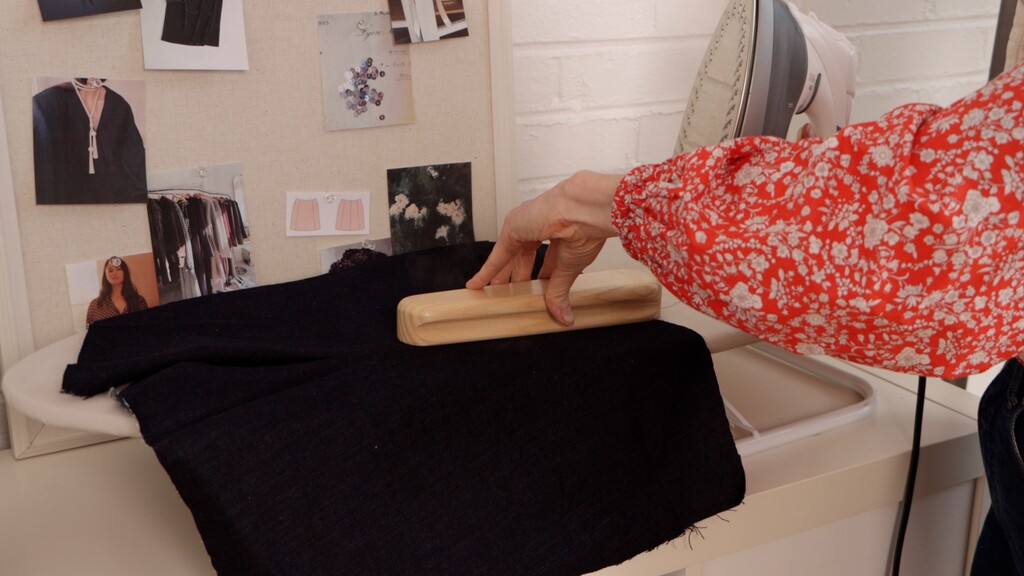
Denim's thick layers demand serious pressing power. Use your highest heat setting with plenty of steam—don't be gentle here! For extra-crisp seams, I use a classic tailoring tool called a wooden clapper. Press with the iron, then immediately place the clapper on the hot seam. It draws out the heat and locks in that crisp, flat finish.
For really bulky areas—like where your side seams meet the waistband—try the "hammer method." I know it sounds dramatic, but literally tapping those thick intersections with a rubber mallet before sewing flattens them enough that your machine can handle them without struggling.
When it comes to seam finishes, denim works beautifully with flat-felled seams, which is what you see on traditional jeans. These contain the raw edges while adding that distinctive double line of topstitching. If that feels too complex, a simple serged edge works well too.
For hems, I use wider hem allowances than usual—at least three-quarters of an inch. This helps distribute the bulk and gives a more substantial finish that matches the weight of the fabric.
Perfect Denim Patterns for Every Skill Level
Denim works beautifully with designs that take advantage of the fabric's durability and structure. These patterns feature classic silhouettes that will give you timeless pieces you'll wear for decades.
The Tessa jeans are an obvious but excellent choice for denim. With their high-rise, relaxed fit, this classic silhouette captures that perfect vintage vibe while flattering every body type. They're basically the perfect introduction to sewing a pair of jeans.
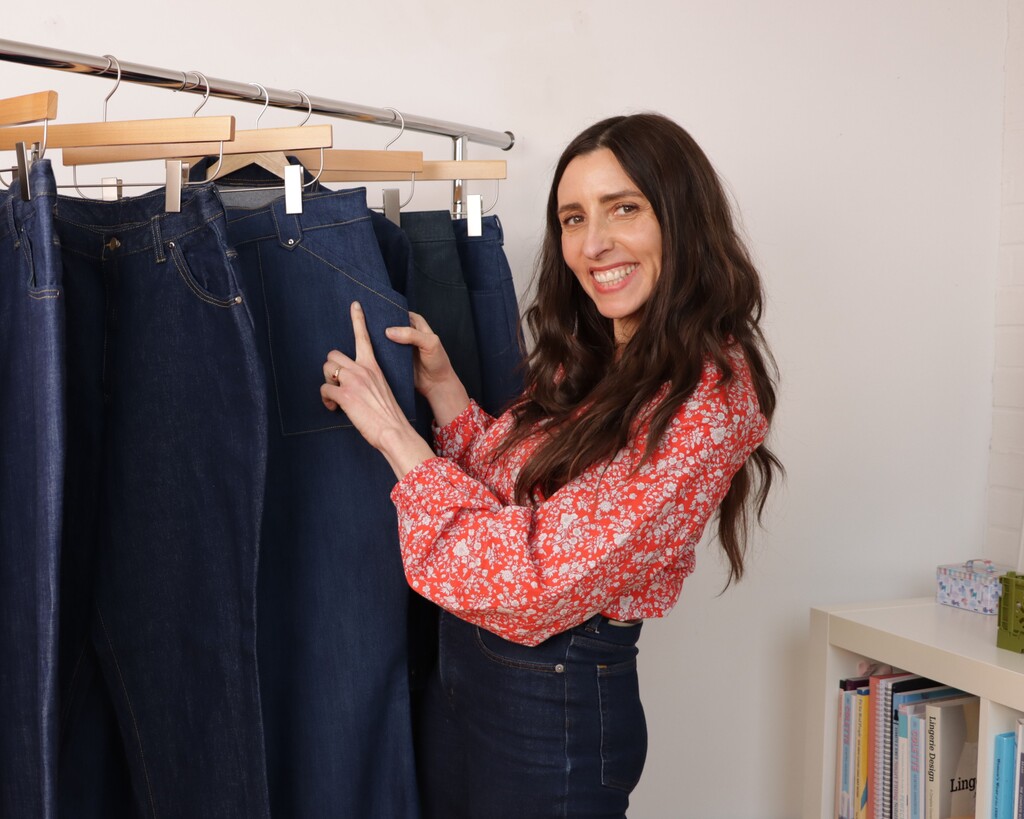
For something with a little retro flair, try the Chelsea jeans. These sailor-style flared jeans are designed for stretch denim and have details like patch pockets, tabbed belt loops, and back darts. I made a pair of Chelsea jeans in dark wash denim that I absolutely love, though I changed the leg shape to get a flare that starts above the knee rather than below—it just works better for my proportions.
The Brookes skirt offers an approachable way to work with denim without tackling jeans fitting. With its midi length, button front, and classic straight cut, it has all the charm of vintage denim styling. Since it's designed for stretch denim with 10% stretch, it's comfortable enough for everyday wear.
And here's something for when you're ready for a challenge—a denim jacket. The Audrey jacket with its traditional yokes and three-piece sleeves could look as polished as any store-bought version but with a custom fit. Just choose a medium-weight denim so it has structure without being too stiff to sew.
Where to Find Quality Denim
Finding good denim for sewing can feel overwhelming, but I have some go-to sources that consistently deliver quality fabric.
For online shopping, Mood Fabrics has an incredible selection of denim in every weight imaginable. Denim North America specializes in Japanese and premium denims if you want to invest in something really special. Blackbird Fabrics carries beautiful selvedge options, and Hart's Fabric often has great deals on quality denim.
If you prefer shopping in person, many Jo-Ann locations now carry better quality denim beyond basic craft store options. Look for brands like Robert Kaufman or Cotton + Steel denims—they're reliable mid-range options that sew beautifully.
For true luxury denim, seek out Cone Mills fabric if you can find it, or explore Japanese mills like Kaihara or White Oak. These fabrics are investments, but the quality and aging characteristics are incredible.

Troubleshooting Common Denim Issues
Even with the best preparation, denim can present some unique challenges. Here's how to handle the most common issues:
Skipped stitches usually mean your needle is too small for the fabric weight. Size up your needle and slow down your sewing speed.
Puckered seams often result from too much tension or too short a stitch length. Lengthen your stitch to 3mm and check your thread tension.
Bent or broken needles happen when you're forcing thick layers through your machine. Use the hammer method to flatten bulky intersections before sewing.
Uneven topstitching is usually caused by inconsistent speed or presser foot pressure. Use an edge guide foot if you have one, and maintain steady, slow pressure on your foot pedal.
Building Your Denim Sewing Confidence
Start with a simple project in medium-weight stretch denim—maybe the Brookes skirt or a basic denim tote bag. The stretch makes it more forgiving, and you'll get familiar with how denim behaves without the pressure of fitting jeans.
Once you've successfully completed a simple denim project, you'll understand why so many sewists become obsessed with this fabric. There's something deeply satisfying about creating garments from a material that just gets better with age and wear.
The key is to be patient with yourself and remember that denim sewing skills build over time. Each project teaches you something new about working with this incredible fabric.
What's your experience been with sewing denim? Have you been avoiding it, or do you have a favorite denim project you've tackled?
 Related Articles
 Best Articles