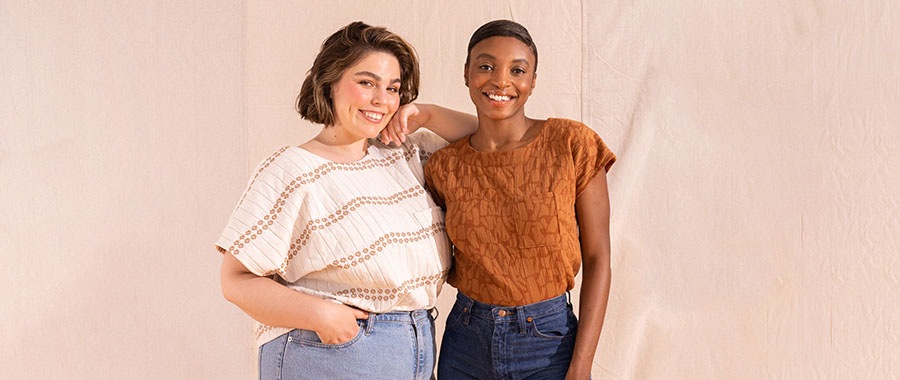
You know that feeling when the weather starts turning and you're so ready to pack away those thick winter coats? That's exactly when you need a cardigan worth making—and more importantly, worth wearing.
Look, I get it. You've probably scrolled past dozens of cardigan tutorials thinking "great, another plain cardigan I'll never actually wear." But here's the thing: with just a few thoughtful changes, you can transform a simple pattern into something that feels completely custom and uniquely yours.
Today I'm sharing 20 ideas for elevating your spring cardigan project. I'm using the brand new Seamwork Thistle cardigan as our starting point, but most of these techniques will work on whatever cardigan pattern you have sitting in your stash.
Why the Thistle Cardigan is Perfect for Customization
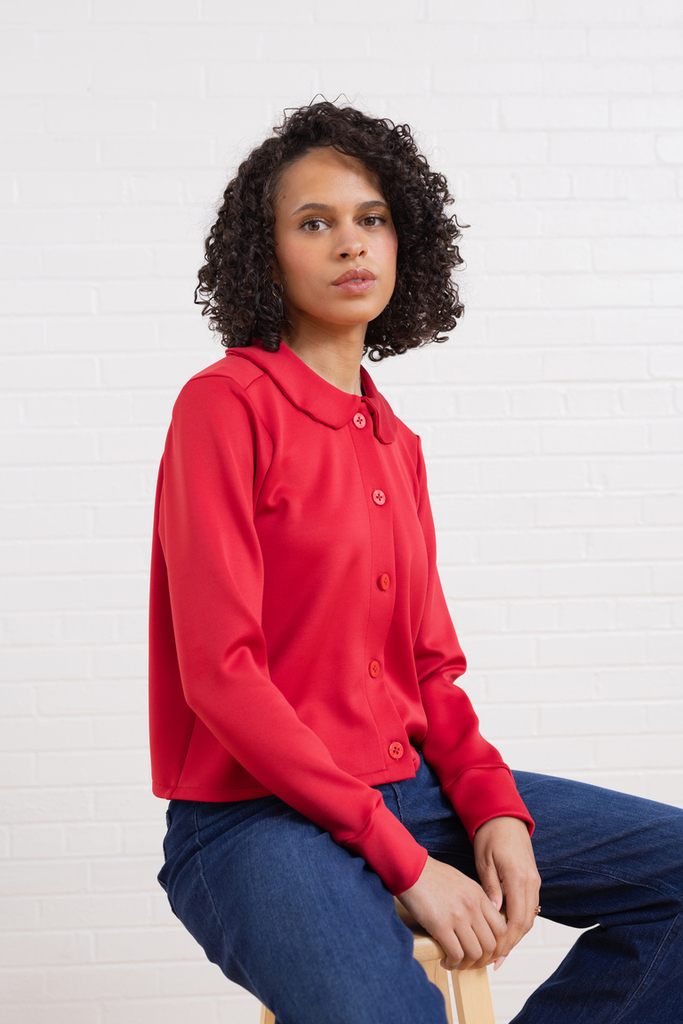

The Seamwork Thistle cardigan pattern is the perfect foundation for your spring cardigan project, and here's why:
The boxy silhouette lends itself to easy adjustments without complicated fitting issues. The flat lay collar is the perfect canvas for embellishments—it's like having a built-in showcase area. The semi-fitted cuffed sleeves are a breeze to shorten or modify, and closure options are endless with that simple fold-back placket.
With Thistle, you can start small or dream big—it handles both beautifully. But even if you're working with a different cardigan pattern, these techniques will help you create something truly special.
Simple Swaps: Maximum Impact, Minimal Effort
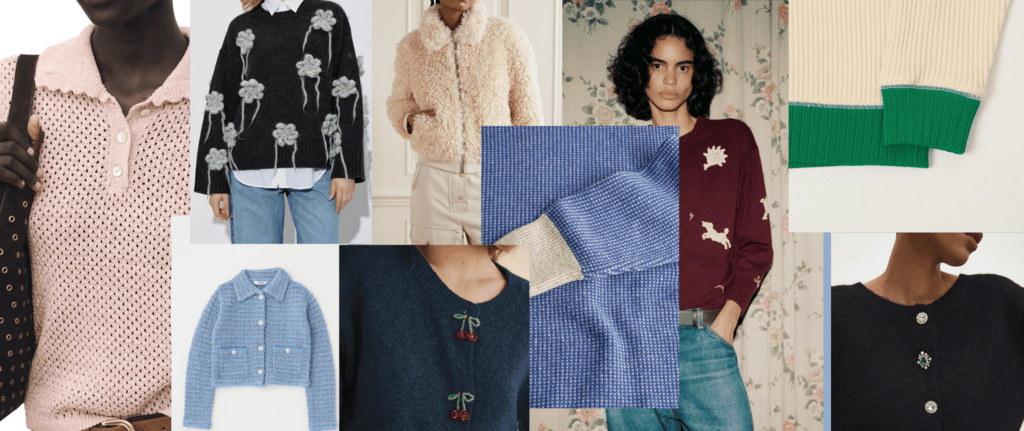
Let's start with the easy wins—these are the changes that require zero pattern adjustments but can completely transform your finished cardigan.
Statement Buttons
This is probably my favorite low-effort, high-impact swap. Instead of those standard 1-inch buttons the pattern calls for, hunt down something with real personality. Think vintage mother-of-pearl, leather-covered buttons, or even choose a few different coordinating buttons for a chic, eclectic look.
The fold-back placket on Thistle is designed to showcase the buttons, so this is your chance to make them the star of the show. I recently found gorgeous wooden buttons with brass inlays at a vintage shop, and they completely transformed what could have been a basic cardigan into something that looks designer.
Ribbed Knit Cuffs
Here's a simple change that adds so much sophistication: swap your cuff fabric for a coordinating rib knit. You keep the exact same cuff piece from the pattern, but that subtle texture and elasticity gives you this really polished, ready-to-wear look.
For fabric recommendations, look for rib knits that complement your main fabric's stretch percentage. Emma One Sock has beautiful ribbing options that coordinate perfectly with their sweater knits, and Blackbird Fabrics often carries coordinating rib knits alongside their main fabric collections.
Collar Contrast
Here's an easy way to introduce visual interest without any pattern modifications. Cut that flat-lay collar from a coordinating fabric instead of the main fabric. Since Thistle has that front placket opening, you don't have to worry about whether the stretch percentages match perfectly.
Go subtle by using a slightly different shade of the same color, or use a small-scale print for a bolder look. I love the idea of a soft floral print collar against a solid cardigan body—it's unexpected but still sophisticated.
Textured Fabric Choices
This is where fabric selection becomes your secret weapon. Instead of plain ponte or French terry, consider quilted knit for that gorgeous dimensional texture, or boucle sweater knit for something that feels really luxe.
The construction stays exactly the same, but your finished piece looks like it cost three times what you actually spent. I found this incredible quilted cotton knit at Mood Fabrics that had this subtle geometric pattern worked into the quilting—it made such a difference in the final look.
Applique Details
The clean lines of Thistle make it perfect for applique work. The beauty of this technique is you can make it as simple or complex as you want. Whether you're going for something playful with iron-on patches or more sophisticated with hand-sewn fabric appliques, the minimal seam details on the front and back bodice pieces give you the perfect canvas to work with.
For beginners, try simple shapes cut from coordinating fabrics. More experienced sewists might enjoy creating intricate floral motifs or geometric patterns.
Skill-Builder Tweaks: New Techniques, Familiar Territory
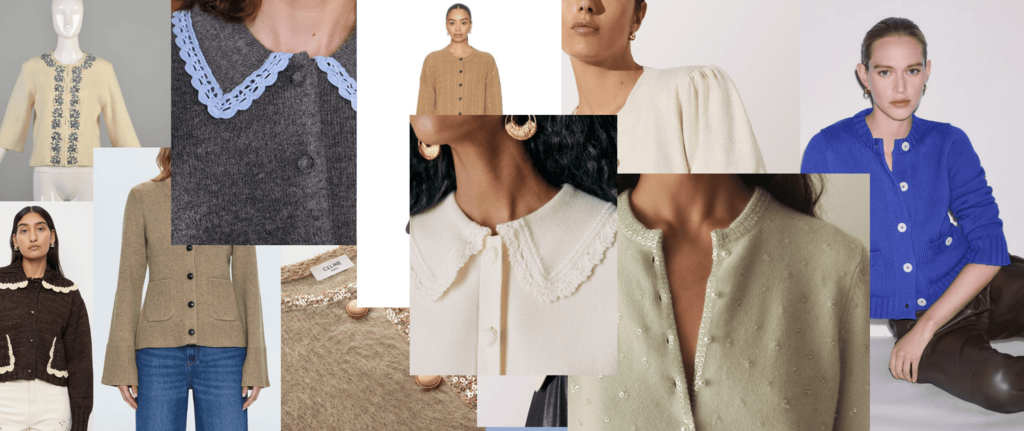
Ready to stretch your skills just a little? These next ideas introduce some new techniques while keeping the original silhouette intact.
Patch Pockets
Thistle's flat front design makes it the perfect canvas for adding patch pockets. Not only does this give you somewhere to put your hands, but you can also experiment with different pocket shapes for added design interest.
Try square pockets for a modern look, curved pockets for something softer, or even pockets with flaps for a more structured approach. If you're new to patch pockets, read this article on How to Sew Perfect Patch Pockets for detailed instructions.
Lace Trim Details
I have a little collection of vintage laces and trims that I've accumulated over the years, and I could totally see myself adding lace trim to Thistle. This one detail makes your cardigan look like a vintage treasure.
Vintage lace adds such a delicate touch to this silhouette. Try a little lace on the collar for instant romance and sophistication, or even lace stripes across the front for dimensional texture that's absolutely stunning. Vintage trims have that perfect worn-in softness you just can't buy new.
The key here is being mindful of how much you need your cardigan to stretch—you don't want the lace competing with the knit structure for fit.
Sequin Trim
For something with a little more sparkle, sequin trim along the collar or placket edge turns your everyday cardigan into something special enough for evening wear. Just make sure to choose trim that's flexible enough to move with your knit fabric.
I love the way sequin trim catches the light—it's subtle during the day but absolutely gorgeous under evening lighting.
Play with Sleeve Length
This is such an easy modification that can completely change the style of your cardigan. Crop those sleeves to bracelet length for a more contemporary look, or take them to elbow length and skip the cuff entirely for something more casual and breezy for spring.
When shortening sleeves, remember to maintain the proportional balance of the garment. Sometimes a shorter sleeve calls for a slight adjustment to the body length as well.
Make it a Matching Set
Here's where you can have some real fun—turn your cardigan into part of a coordinated outfit. Make a pair of Seamwork Palmer pants in the same fabric for this elevated take on a sweatsuit that's perfect for spring.
It sounds matchy-matchy, but when you do it in sophisticated fabrics and colors, it looks incredibly put-together. Think luxe modal knits in soft neutrals, or even a textured cotton blend in a rich jewel tone.
Structural Refreshes: Bigger Changes, Beautiful Results

Now we're getting into modifications that will noticeably change how your cardigan wears and drapes, but we're still working with Thistle's core structure.
Length Adjustments
This is probably the easiest way to completely change the whole vibe of your cardigan. Lengthen the body for this gorgeous longline layering piece that works beautifully over dresses, or crop it into more of a spring jacket length.
The straight body of Thistle makes these adjustments really straightforward. For lengthening, simply add your desired measurement to the hem. For cropping, be mindful of where you want the cardigan to hit on your torso and adjust accordingly.
Collar Edge Variations
Thistle's flat-lay collar is your blank canvas for creativity. Make it larger and more dramatic for a statement look, add some gentle curves for a softer appearance, or go angular for something more modern and architectural.
Focus your modifications on the outer edge of the collar so you don't have to redraft the neckline. Small changes make a big visual impact here—even just rounding the corners can soften the whole look.
Scarf Collar Alternative
Here's something completely different: skip the flat-lay collar entirely and make a matching kerchief instead. You could even make it detachable like we did with the Seamwork Ivy pattern, which gives you ultimate versatility.
Wear it tied, draped, or remove it completely for three different looks from one garment. This approach is perfect if you love the idea of a scarf collar but want the flexibility to change up your look.
Hem Band Finish
Instead of that standard single-fold hem, try finishing with a knit band that echoes your cuffs. If you opt to use a coordinating rib knit, this creates a fun take on a spring sweatshirt aesthetic.
The Seamwork member bonus for Thistle actually includes a hem band piece, which makes this swap even easier. The band finish creates a more polished look and can help prevent the hem from curling over time.
Contrast Placket
This is where color-blocking gets really fun. Instead of cutting your placket from the main fabric, separate it at the center front, add seam allowances, and cut it from a contrasting fabric.
This creates opportunities for some really sophisticated color combinations and adds visual interest right where people naturally look. Think about complementary colors, or try a subtle tonal variation for something more understated.
Eye-Catching Upgrades: Statement Pieces Worth the Effort
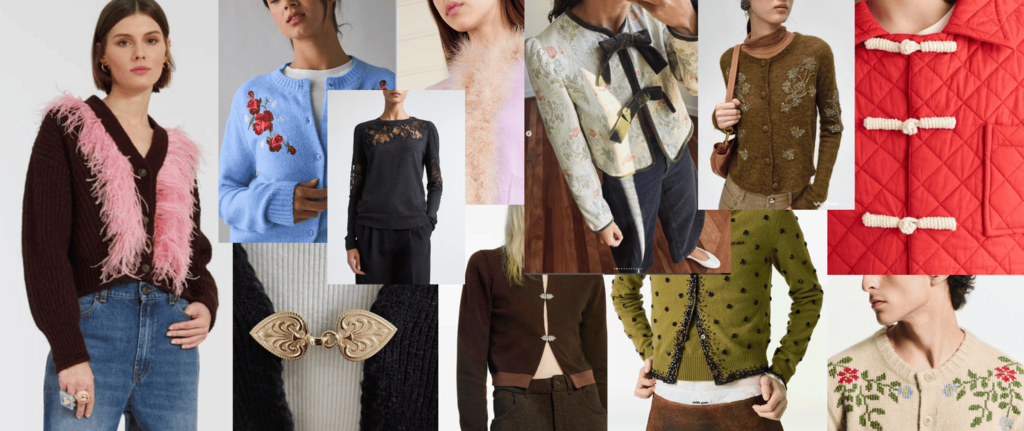
These ideas are for when you're ready to create something truly special—statement-making modifications that push your cardigan into showstopper territory.
Unexpected Closures
This super simple swap will completely change the personality of your cardigan. Instead of using buttons, opt for something completely unexpected.
Try toggles for a sporty-luxe vibe, ribbon ties for something more romantic, or metal sweater clasps for a vintage-inspired finish. Each closure type creates a completely different mood while keeping the construction essentially the same.
Embroidery Details
This is where you can really make something one-of-a-kind. Go simple with a blanket stitch or whipstitch around the edges for a folk-inspired look, or get elaborate with floral motifs or geometric patterns.
The key is planning your embroidery before you construct the garment so you can work on flat pieces. Hand embroidery takes time, but the results are absolutely worth it—there's something so special about having that level of handmade detail in your wardrobe.
Beading
Beading can transform your cardigan into something truly special. Whether you're doing all-over beading or strategic placement for subtle sparkle, this level of hand detail makes your garment feel incredibly precious and custom.
I have a Japanese beading embroidery book that I've been dying to try out, and I think Thistle's collar would look amazing with some creamy white or pearl beading. The flat surface provides the perfect canvas for this type of detailed work.
Feather Trim
For something really bold and unexpected, consider feather trim. This works especially beautifully along the collar or placket edges, adding texture and movement that's completely unexpected on a knit cardigan.
Feather trim instantly elevates a casual cardigan into something that feels really special and luxurious. It's definitely a statement choice, but sometimes that's exactly what your wardrobe needs.
Inset Lace Panels
This is probably the most advanced technique on our list, but the results are absolutely stunning. Add inset lace panels on the sleeves or body by first applying the lace with a zigzag stitch, then carefully cutting away the fabric underneath for that gorgeous transparency effect.
It's like creating your own designer fabric. This technique works beautifully with stretch laces that move with your knit fabric. Start small with a test piece to perfect your technique before committing to the full garment.
Bringing It All Together
The beauty of these modifications is that you don't have to choose just one. Some of my favorite cardigans combine several techniques—like statement buttons with lace trim, or a contrast collar with embroidered details.
Start with one or two techniques that appeal to you, and don't be afraid to experiment. The worst thing that can happen is you learn something new about sewing, and that's always worth it.
Remember, the goal isn't to make something complicated—it's to make something that feels uniquely yours. Whether you choose the simplest button swap or go all out with beading and embroidery, you're creating something that no one else will have.
The Thistle cardigan gives you such a beautiful foundation to work from, but these techniques will work with almost any cardigan pattern in your collection. The key is understanding the structure of your pattern and choosing modifications that complement rather than fight against the design.
 Related Articles
 Best Articles