You want to sew a coat, but every time you open Pinterest, it's the same jackets in slightly different colors. You save a few pins, feel inspired for a moment, then realize none of them are exciting enough to carry you through weeks of sewing.
And when a project costs this much time and fabric, that kind of inspiration just isn't enough.
Lately, I've been feeling like the internet is set up to make all of us look really bland. Algorithm-based feeds like Pinterest or Instagram push us into these aesthetic bubbles, and you end up seeing the same trends over and over again.
So instead, I went directly to designers I admire, pulled some favorite books off the shelf, and looked at amazing garments from the past for fresh ideas. These are details you're genuinely excited to build—not just save and forget.
Scandinavian Designer Details That Make a Statement
Let's start with inspiration from some of my absolute favorite designers, especially the Scandinavian ones who really know outerwear. By Malene Birger creates these incredible statement coats, and here's what caught my attention.
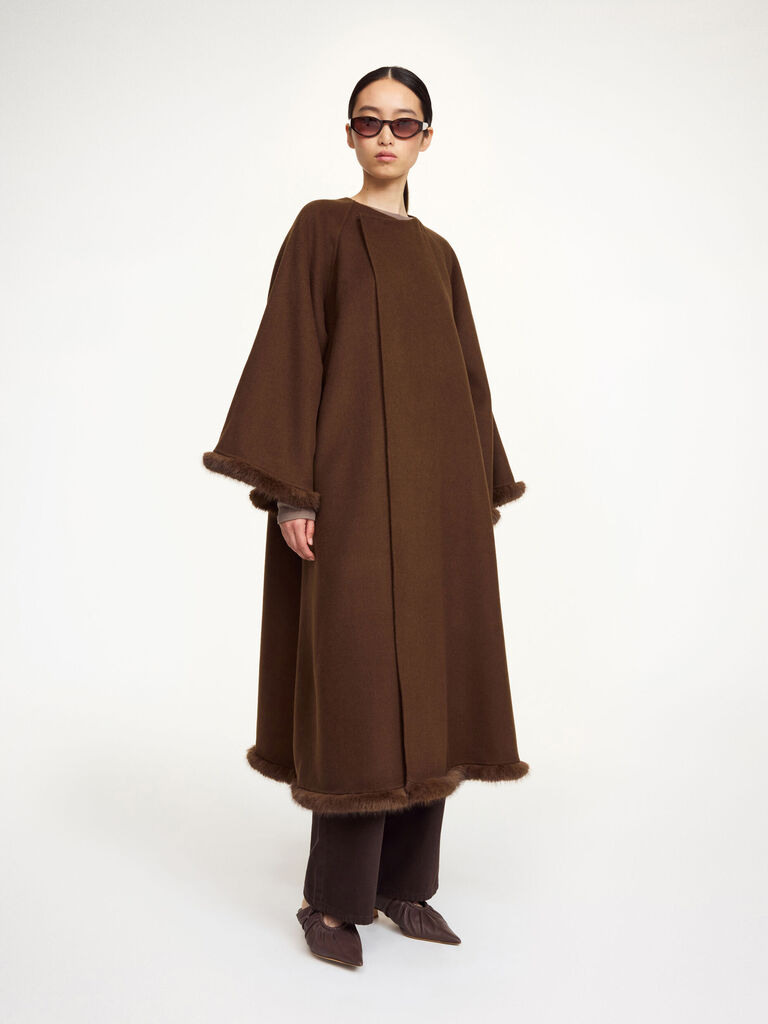
Add Faux Fur Trim to Hems and Cuffs
This is honestly one of the easiest ways to make a huge impact with minimal effort. You can find beautiful faux fur at most fabric stores, and all you're doing is cutting strips and sewing them along the edges. I love how this instantly makes any coat feel more luxurious.
For a subtle look, try faux fur that matches your coat fabric, or go bold with a contrasting color. The key is choosing a faux fur with a dense pile that won't shed everywhere when you wear it.
Make a Detachable Faux Fur Collar
If you're not ready to commit to permanent fur trim, this is perfect for you. One detachable collar can instantly transform any coat in your closet into something that looks much more bold. Plus, these collars take so little fabric, you can make several in different shapes and materials for even more versatility.
WeAllSew has a free pattern and tutorial that would be a great starting point for these detachable collars. Read this article: How to Sew a Detachable Statement Collar.
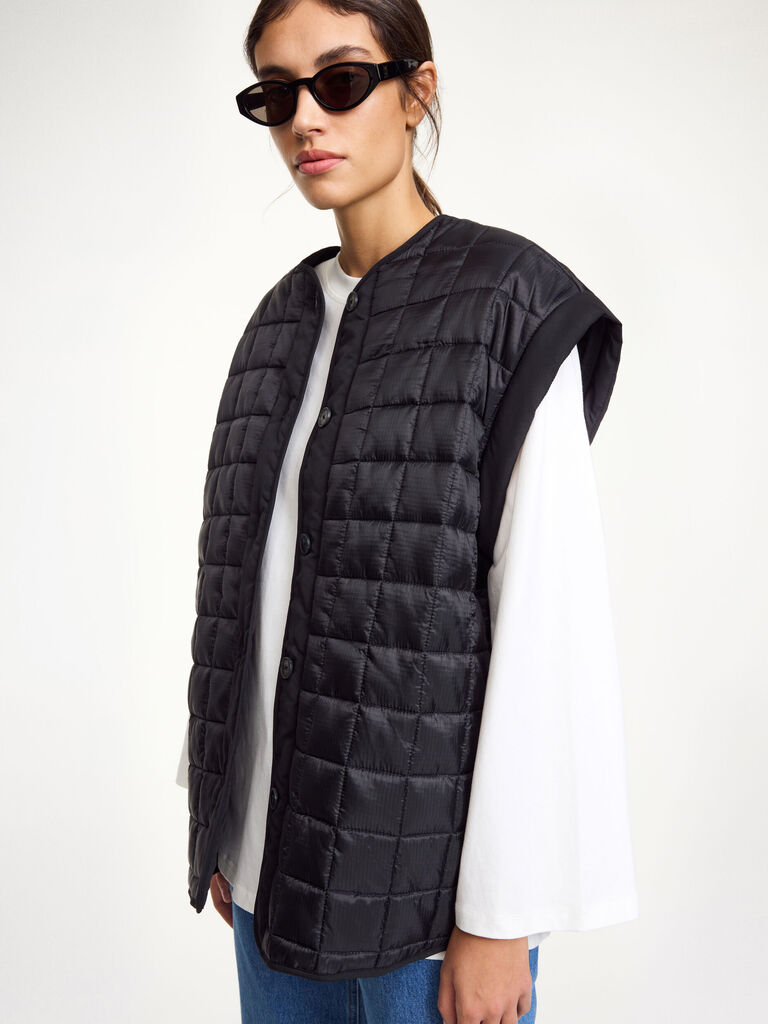
Create Detachable Sleeves
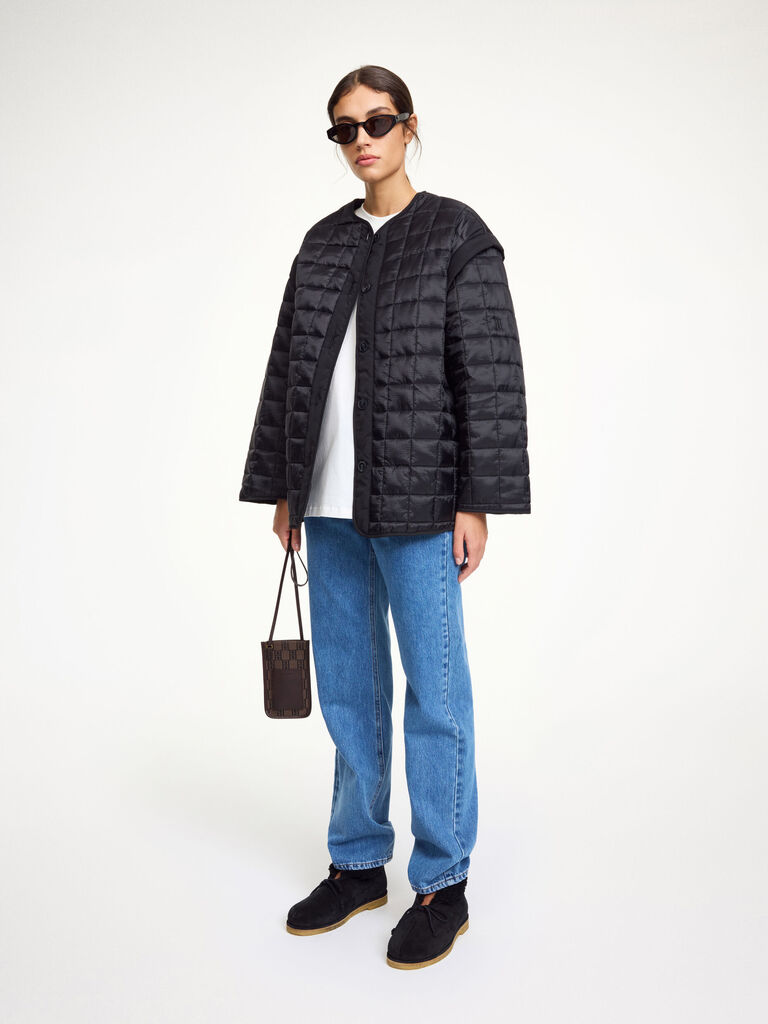
Here's an idea that completely blew my mind when I first saw it—detachable sleeves. This gives you the versatility of both a jacket and a vest in one garment. The sleeves attach with hidden zippers or snaps, so you can remove them when you want the vest look or when you're layering over chunky sweaters.
The Seamwork Basil jacket would be perfect for trying this technique because it has a really clean armhole that would work beautifully with detachable sleeves. You could make the sleeves in a contrasting fabric too, which opens up endless styling possibilities.
Add Wool Fringe
Adding wool fringe is another gorgeous detail I discovered. To create this, you'll use a dense wool like Melton wool, which you can cut into fringe strips to make matching trim. The beauty of Melton wool is that it doesn't fray when you cut it, so your fringe will stay neat and defined.
You can add this fringe to sleeve cuffs, hem edges, or even along pocket flaps. It creates this beautiful movement when you walk, and the texture contrast is absolutely stunning against smooth wool coatings.
Max Mara Inspiration: Drama and Elegance
Make It Floor Length
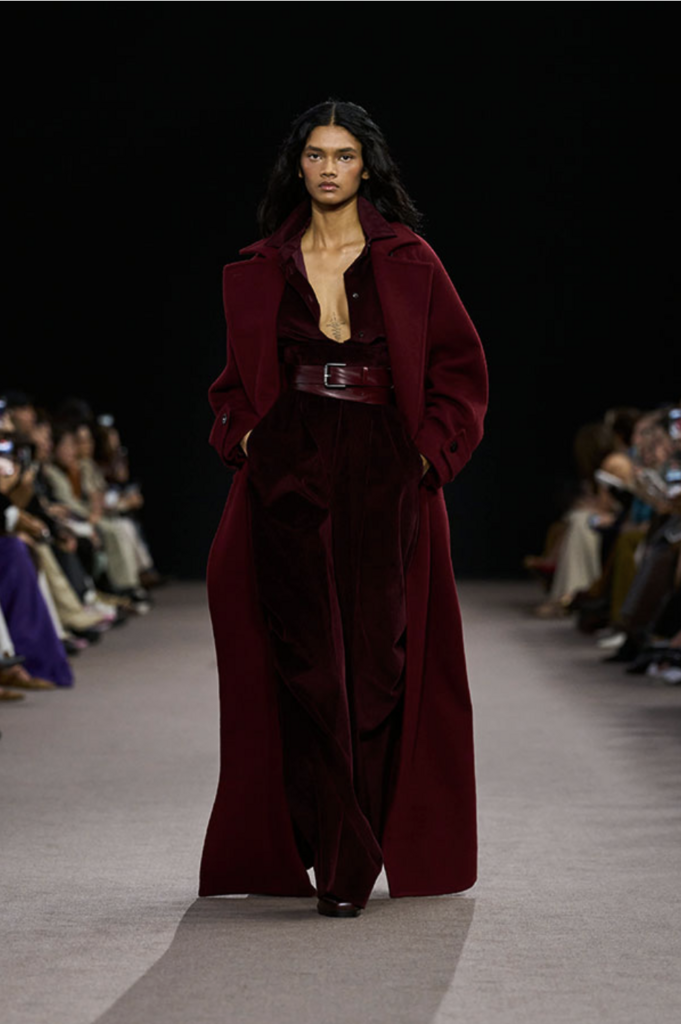
Now let's talk about making your coat floor length. I turned to Max Mara for this inspiration because they're known for absolutely gorgeous outerwear. Their Fall 2025 collection was inspired by Wuthering Heights, and these dramatic floor-length coats were everywhere.
There's just something so elegant and dramatic about a coat that sweeps the ground as you walk. To make this your own, you could take a pattern like the Seamwork Bay coat and lengthen it so it reaches the floor. You'll need to consider your proportions when you do this, though. For example, if you're petite, you might want to stop at ankle length instead.
Widen the Sleeves
Wide sleeves are so dramatic and give a coat a cape-like effect that I really love. This Max Mara design uses a drop shoulder or a batwing sleeve to achieve this look, but you could also widen your coat sleeves at the cuff and keep the fit at the armhole the same.
The latter option gives you that striking silhouette without having to completely redraft your armhole shape. With wide sleeves like this, it's important to choose a fabric with enough structure to hold the shape—lightweight fabrics will just collapse and lose that dramatic effect you're going for.
Make a Wool Chore Coat
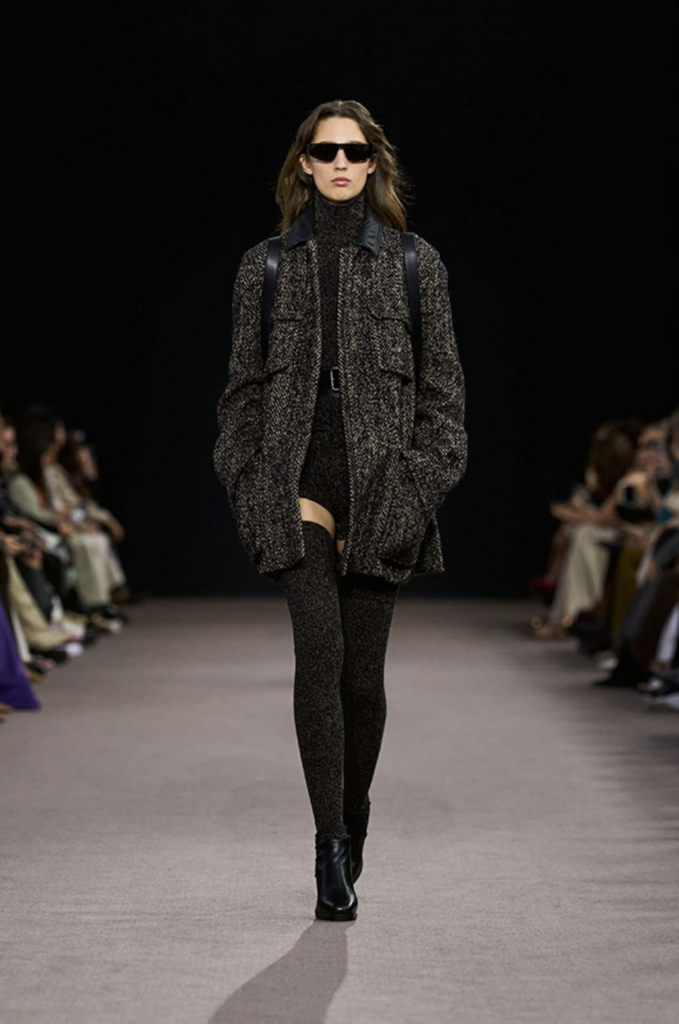
I love the idea of elevating a traditional barn jacket or chore coat silhouette by making it in wool. I'm obsessed with this Max Mara version in salt and pepper herringbone—it makes the whole piece feel sophisticated.
The shape reminds me of my favorite old Eddie Bauer coat, but the fabric elevates it completely. This would look absolutely incredible with a velvet or corduroy collar for even more texture contrast. The Seamwork Parker or Bud Shacket are perfect starting points—that relaxed fit translates beautifully to wool.
Modern Minimalist Details
Create a Blind Placket
A blind placket completely hides your buttons and gives the front of your coat this incredibly sleek, minimalist look. I spotted this detail on a lightweight Leset coat in the most surprising pink shade, and I was completely obsessed.
You're essentially creating a fold of fabric that conceals the button closures, so from the front, the coat appears to close seamlessly. The Seamwork Indigo car coat would be perfect for this technique because it has a clean, simple front that would really showcase this detail.
Add a Matching Scarf
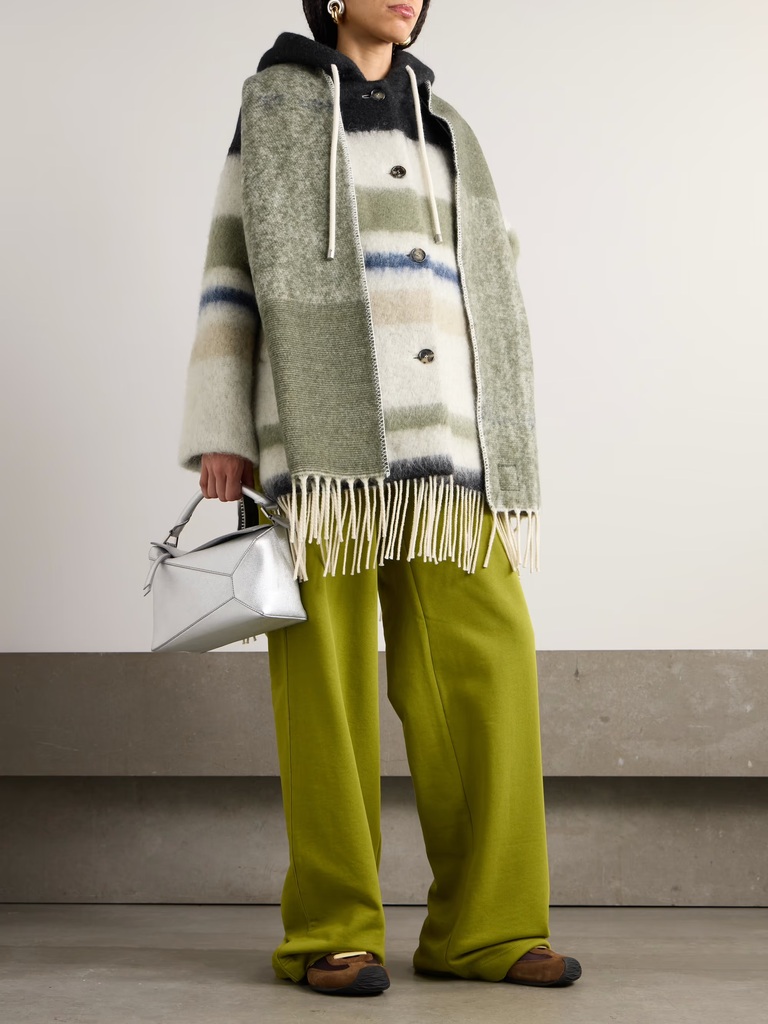
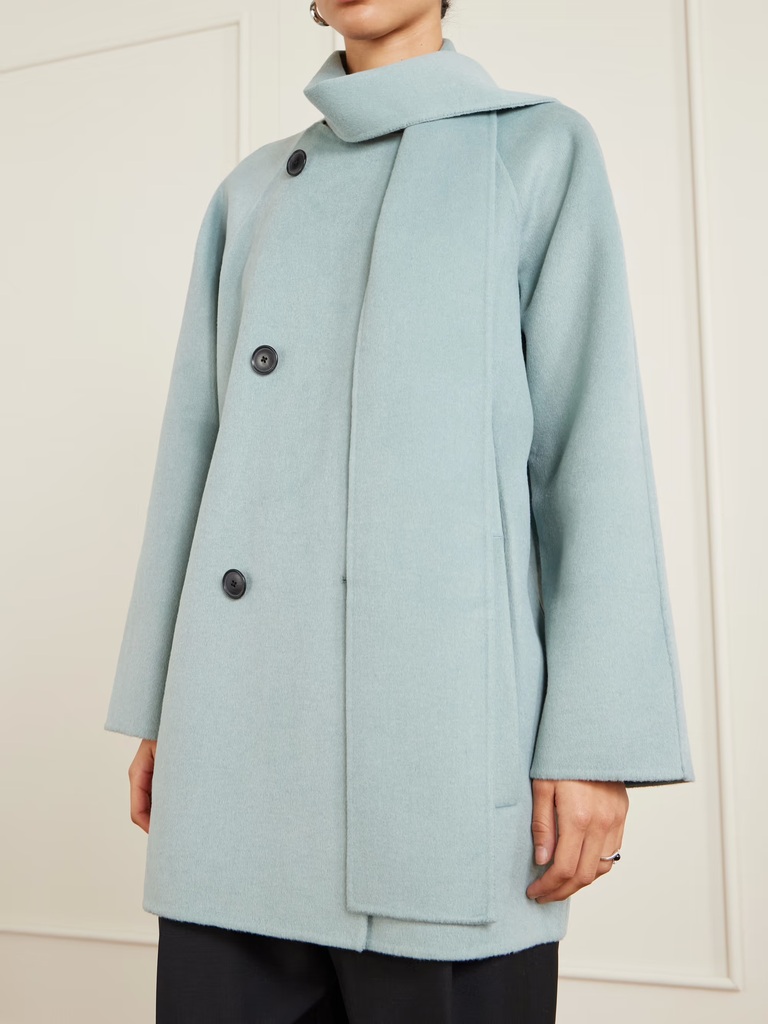
This matching scarf detail screams luxury. Loewe does this beautifully, and Proenza Schouler's version is perfect for something a little dressier. It's such a smart way to use up extra yardage and creates such a polished, sophisticated look.
The Seamwork Ivy coat is the perfect pattern for achieving this exact look. The scarf detaches completely, giving you designer-level versatility built right in.
Make It in Taffeta
Here's something you probably never considered—making a coat in taffeta. The fabric has this subtle sheen and crisp texture that's completely unexpected in outerwear. I used to have this incredible raincoat from the fifties or sixties in taffeta with a hood, and it did a remarkable job keeping me dry because taffeta is so tightly woven.
The Indigo car coat or the Francis coat would work beautifully for a classic rain coat in taffeta. Just imagine how chic that would look in a deep burgundy or forest green.
Add Toggle Closures
Adding toggle closures instead of traditional buttons is such an easy way to change the entire personality of a coat. You can use leather toggles for a more rustic look, or try silk frog closures for something really elegant and Asian-inspired.
These closures work especially well on coats with a more relaxed fit, like the Seamwork Ivy, because they add visual interest without competing with a fitted silhouette.
Vintage Details That Never Go Out of Style
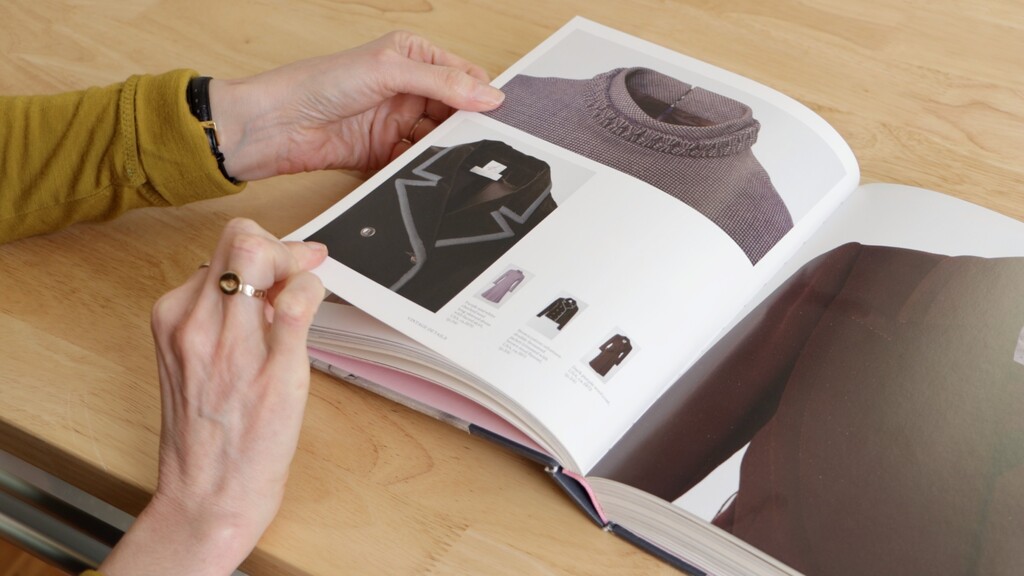
Pinterest has been failing me lately, so I pulled out this book of vintage details to find some inspiration from the past. These vintage sewing books show techniques you'll never see on social media. No micro-trends here—they focus on timeless details that never go out of style.
Add Trim or Piping
Trim or piping adds such a polished finish to any coat. I found an amazing example of wool piping on a brown velveteen jacket, and the contrast was just gorgeous. You can use pre-made piping in a coordinating fabric, or create your own with contrasting fabrics.
The Maple classic peacoat would be perfect for trying this because the traditional peacoat silhouette really showcases trim details beautifully.
Choose Statement Buttons
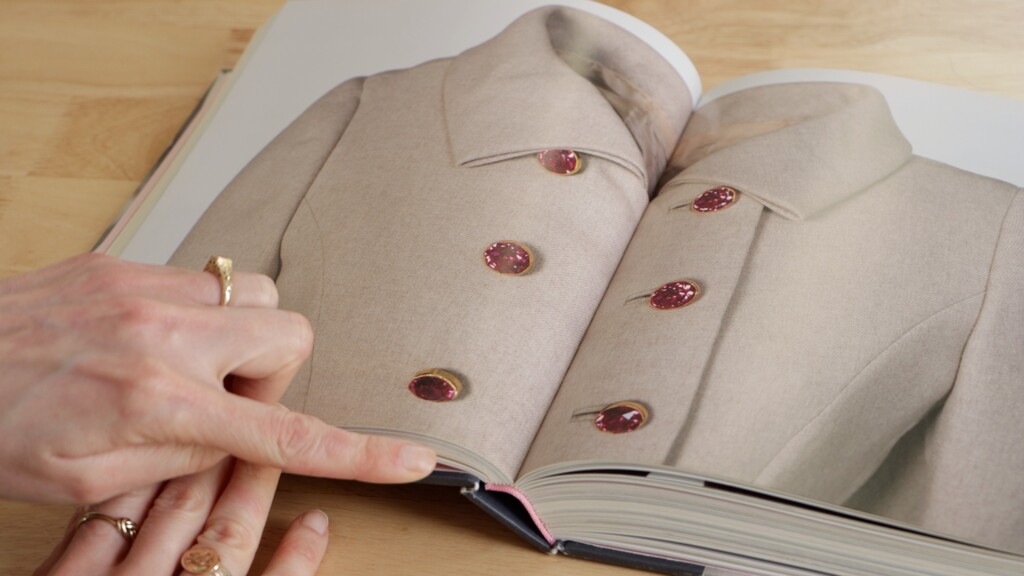
Statement buttons are probably the easiest way to transform a basic coat into something special. I love how this coat in a plain oatmeal color gets all its drama from these giant jeweled buttons.
When you're choosing statement buttons, make sure they're proportional to your coat—oversized buttons work beautifully on heavier coats, but they might overwhelm a lightweight jacket. You can find amazing vintage buttons at estate sales and antique shops, or invest in some really beautiful new ones that you'll treasure forever.
Embroider the Collar
Embroidery on the collar is such a romantic detail that immediately catches the eye. You could add a simple blanket stitch around the edge for a folk-inspired look, or create a more elaborate pattern with metallic threads for something really special.
The beauty of collar embroidery is that it's a small area to work with, so even if you're new to embroidery, it's not overwhelming. Plus, it's right at face level, so people will definitely notice this beautiful detail.
Use Covered Buttons with Bound Buttonholes
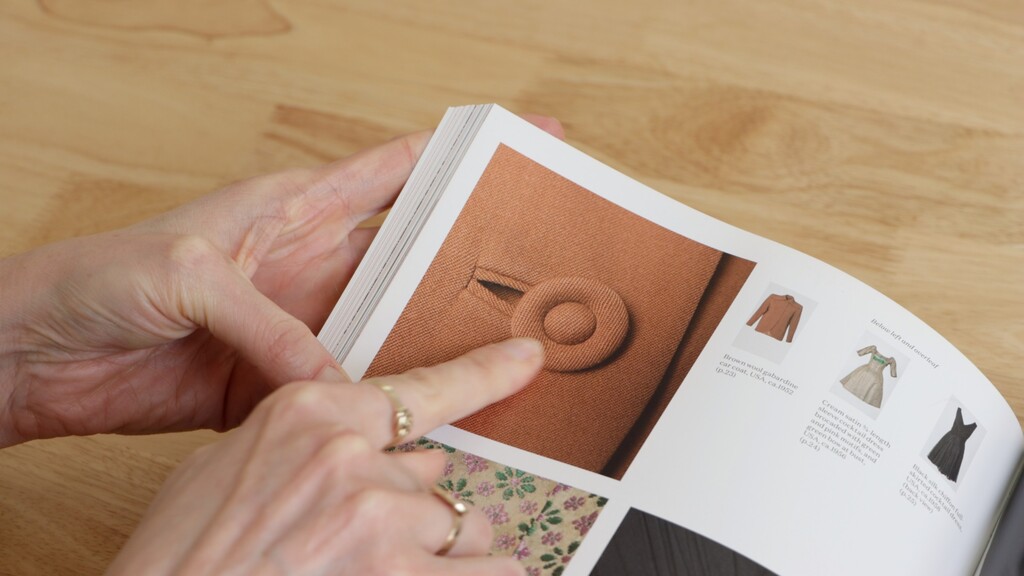
Covered buttons with bound buttonholes—it's a classic combo that screams luxury. Bound buttonholes have this tailored, expensive finish that you just can't achieve with regular machine buttonholes. And when paired with covered buttons, it creates this seamless look where the buttons blend perfectly with the fabric.
I used both techniques for this jacket from a vintage 1950s pattern. These little details make it feel so luxurious and timeless. Ten years later, I still love this jacket—these techniques take time, but the result is so worth it.
Add Functional Buckles
Buckles add this utilitarian edge that works beautifully on more structured coats. I came across this 1940s flannel jacket that had buckles along the back for an adjustable fit, and I thought it was such a clever design element.
You could add these with or without a back belt. You can find reproduction vintage buckles online, or use modern ones in brass or silver finishes.
Vintage Garment Inspiration
I was so inspired by all these vintage details that I decided to look at some actual vintage garments online next.
Make a Matching Suit
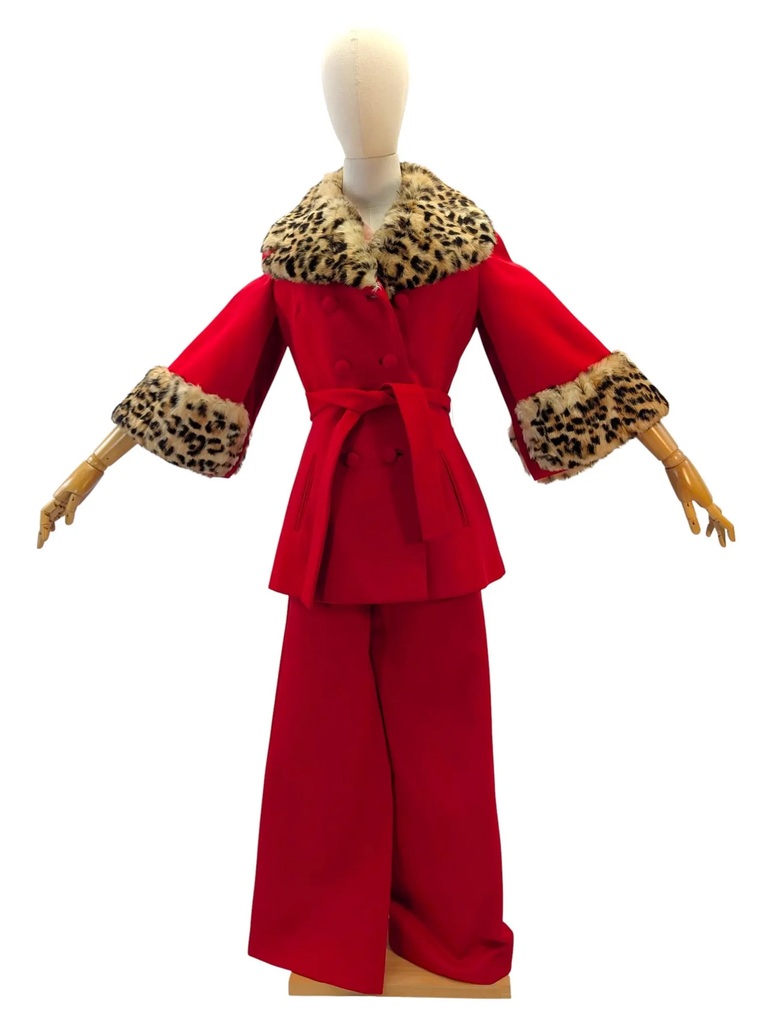
Making a matching suit is such a sophisticated approach to outerwear. I love the idea of taking a shorter coat or jacket pattern and making coordinating pants to create a complete suit, like this vintage Lilli Ann suit with leopard trim.
This approach gives you so many more outfit options because you can wear the pieces together or separately. Choose a fabric that works for both structured tailoring and flowing movement—wool gabardine is perfect for this.
Add Creative Applique
Adding applique opens up endless creative possibilities. This vintage Ralph Lauren leather jacket with chainstitching and reverse applique of rattlesnakes is absolutely incredible, but you could take this idea in any direction you want.
Add applique to chest areas, backs, or pockets using fabrics that coordinate with your coat. The Larkin bomber jacket would be perfect for experimenting with applique. The casual silhouette would easily pair with bold decorative elements.
Use Tonal Fabric Blocking
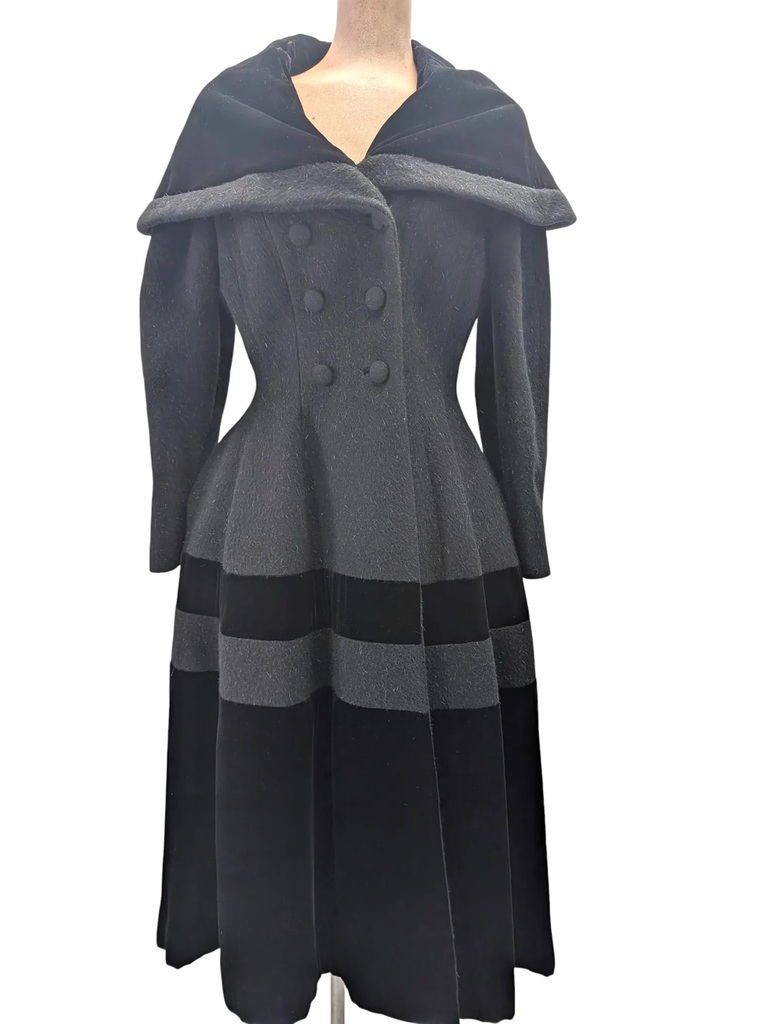
This technique uses different textures in the same color family to create blocking effects without harsh color contrasts. I came across this technique on another vintage Lilli Ann coat, and I thought it created an incredibly sophisticated look.
I especially love this approach using wool and velvet, but you could also use corduroy, faux leather, sherpa, or any fabric with a distinct texture. The varying textures catch light differently, so you get visual interest while maintaining a cohesive color story.
Try Bold Color Blocking
Color blocking takes the last idea even further—you're essentially creating your own custom fabric with your favorite colors. Here's another gorgeous Lilli Ann example that shows how those bold stripes make it completely one-of-a-kind.
The Denise coat is perfect for trying this because those princess panels are basically asking for vertical color blocking. For something a little closer to the inspo photo, try the Indigo coat and add horizontal color blocks.
Making It Your Own
The beauty of all these ideas is that they're starting points, not strict rules. Maybe you love the drama of wide sleeves but prefer a shorter length. Or perhaps statement buttons appeal to you, but you'd rather use them on a more casual chore coat style.
The key is finding details that genuinely excite you—ones that make you want to clear your schedule and start cutting fabric. When you're inspired by specific construction details rather than just overall aesthetics, you end up with garments that feel truly personal and worth the investment of your time.
Remember, a coat is one of the biggest sewing investments you'll make in terms of both time and fabric cost. These details ensure that investment pays off with something you'll treasure for years to come.
 Related Articles
 Best Articles