Every summer, I do the same thing. I make a giant list of everything I want to sew, buy all the fabric, get totally excited — and then summer actually arrives and I just want to be outside. The projects sit there, the fabric sits there, and by September I feel vaguely guilty about all of it.
Sound familiar?
This year, I decided to try something different. Instead of planning ten projects and finishing three, I'm sewing exactly four pieces — and I'm designing them from the start to mix and match into real outfits I'll actually reach for. No filler pieces, no "I'll figure out how to wear this later." Just a small, intentional capsule wardrobe built around my real summer life.
I want to walk you through exactly how I'm planning it — not as abstract theory, but using my actual project list as the example. Because I think the process is just as useful as the final result.
Why Four Pieces Is Enough (Really)
There's this idea in sewing that more projects equals more wardrobe. But I've found the opposite is often true. When you sew a lot of random pieces that don't connect, you end up with a closet full of things you love individually but can never quite figure out how to wear together.
A capsule approach flips that completely. The goal isn't to sew less — it's to sew smarter. When every piece is designed to work with every other piece, four garments can give you a surprisingly large number of outfits.
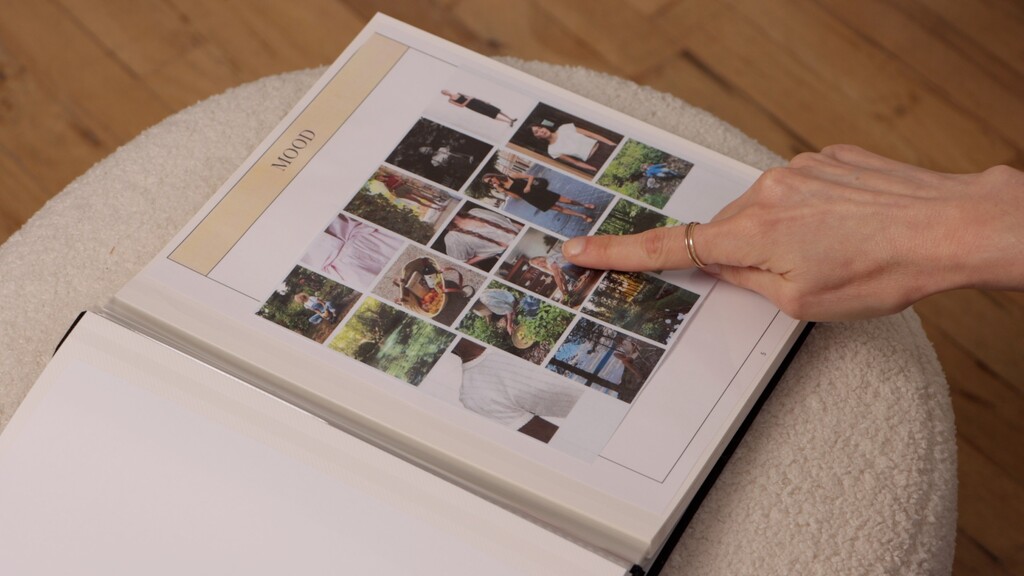
Think of it like building a recipe from a small set of ingredients. A skilled cook can make dozens of meals from a well-stocked pantry of basics. A beginning cook who buys every specialty ingredient in the store ends up with a refrigerator full of things that don't go together. Your wardrobe works the same way.
This summer, I'm building my pantry.
Starting With a Moodboard (And What Mine Actually Revealed)
Before I picked a single pattern or bought a yard of fabric, I built a moodboard. I do this every season, but this time I approached it a little differently.
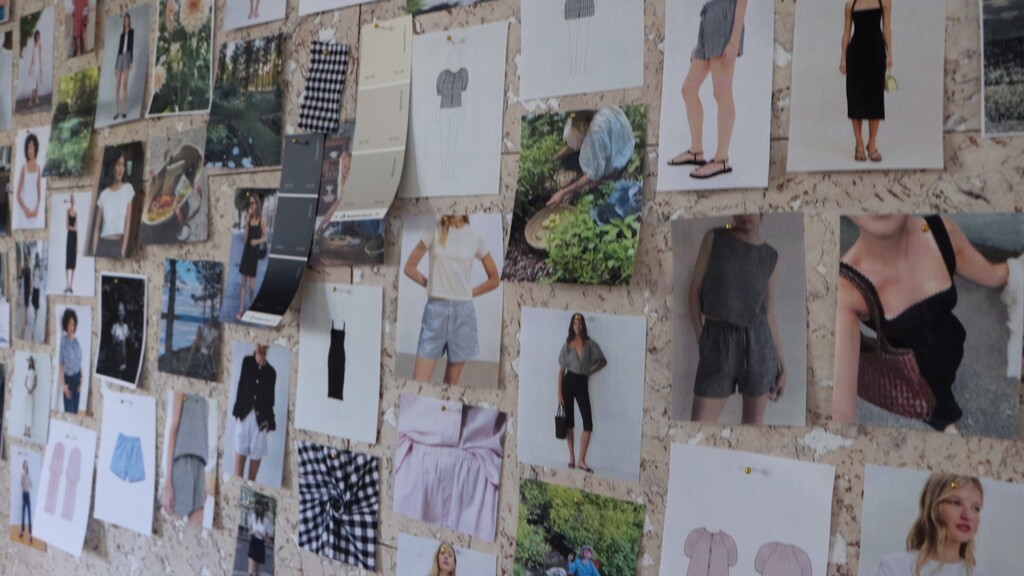
Usually, I'm thinking mostly about color, texture, and aesthetic — what looks beautiful and inspiring. This time, I really wanted to focus on the context of my life in summer. Who am I, specifically, in July and August?
The answer: I'm outside a lot. I'm gardening, hiking, playing with my dogs, going down to the river. I'm getting dirty. As much as I love a white linen dress on Pinterest, that's just not what I actually need.
When I pulled together my saved images, I noticed something funny — I had saved SO many gardening photos. More than anything else. That told me something real about what I actually need to sew for, versus what I fantasize about wearing.
I also noticed Pam Anderson showing up again and again, which genuinely made me laugh. I never thought of her as a style icon for me, but when I looked at why I was saving her images, it made total sense. She's effortlessly beautiful without being precious about it. She wears simple things and looks great. That's exactly the energy I want this summer.
The moodboard lesson: build it from your real life, not your ideal life. When you design for who you actually are and what you actually do, you end up with pieces you actually wear.
The Color Palette: Black, White, and That's It
Here's where I really challenged myself this season. Since I'm only making four projects, I wanted them to work together effortlessly — and that meant getting ruthless about color.
This summer, I'm sewing only in black and white.
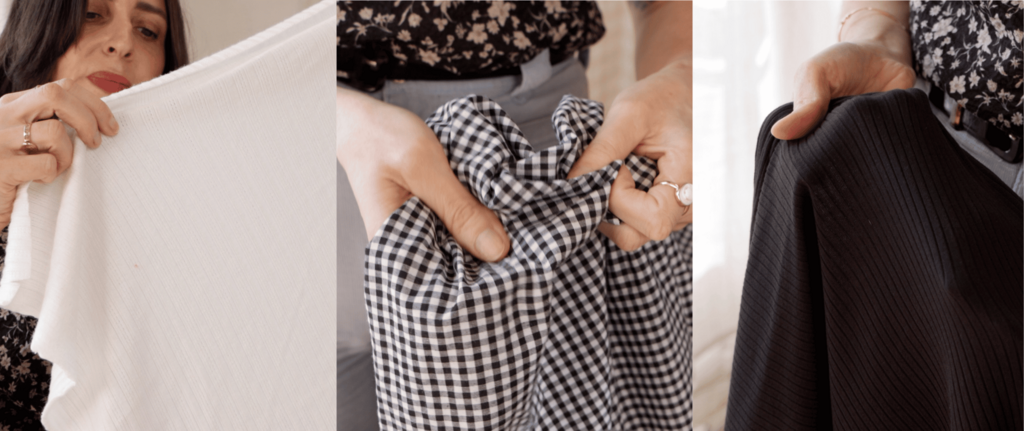
I know that sounds stark, but the secret is in the details. Classic gingham, pointelle texture, shell buttons, maybe a little cotton lace trim — the interest comes from the fabric choices and the finishing touches, not from color variation.
And honestly? A limited palette is the single best thing you can do for a mix-and-match wardrobe. When every piece shares the same color family, you can't make a wrong outfit. Everything just works. That gives you so much more flexibility than if you'd sewn four pieces in four different colors, even if those colors are all beautiful individually.
A tip for building your own palette: You don't have to go with neutrals. You could do light pink and scarlet, baby blue and dark red, or go tonal with navy and light blue. The key is just picking fewer colors than feels comfortable. Go one step simpler than your instinct tells you to. That's where the magic happens.
The Four Projects
Project 1: The Pointelle Morgan Tee
The first piece is the Seamwork Morgan, a classic crewneck baby tee — and one of Seamwork's newest patterns.
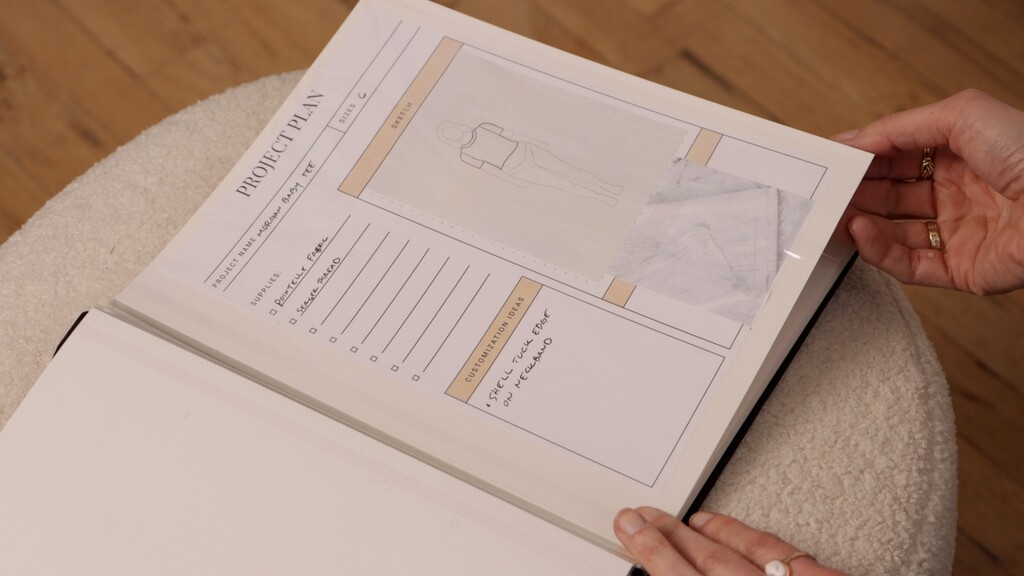
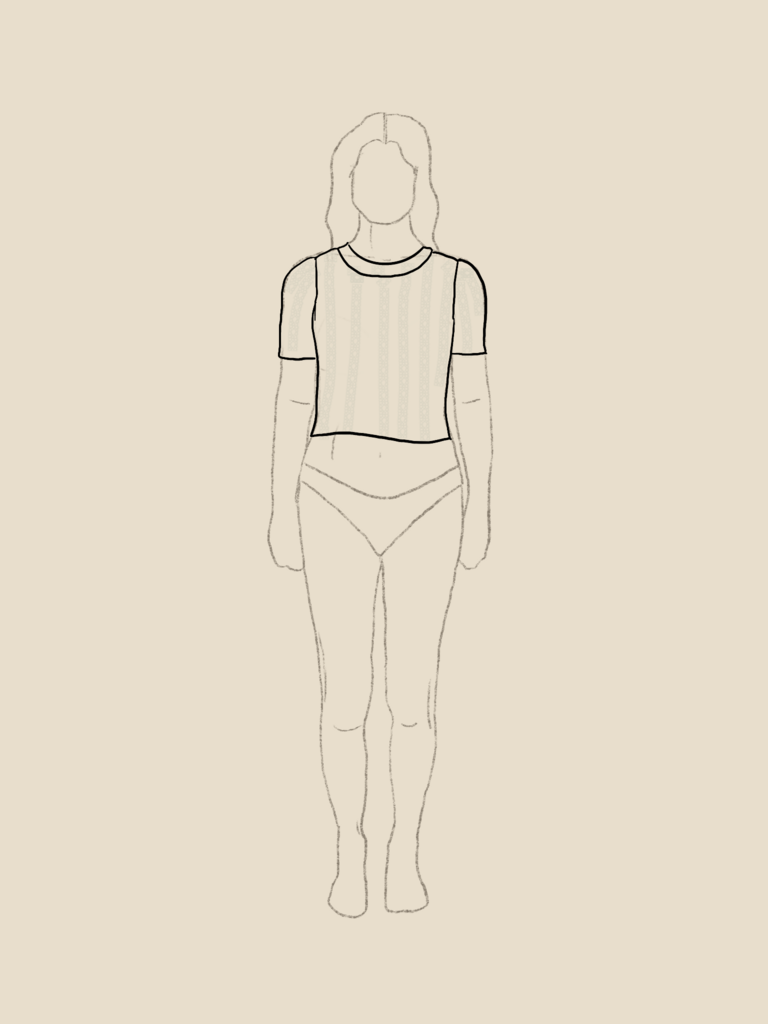
A fitted white t-shirt might seem like the most basic thing you could possibly sew. But here's the thing: it's also the piece that quietly holds an entire wardrobe together. Every other piece gets better when you have a great white tee to pair it with.
What makes it interesting to sew is the opportunity to get it exactly right — the neckline, the fit, the length — in a way that ready-to-wear never gives you. When you sew your own, you're not accepting someone else's compromises. You're making the version that works for your body and your life.
For fabric, I'm using a white pointelle knit from my stash. Pointelle has those pretty little eyelet-style holes that give it texture and visual interest, and this one has great stretch — important for a fitted tee that needs to move with you. I'm also considering adding a shell tuck edge along the neckline or hem for a little extra detail. Watch this video if you want to try that technique yourself.
How I'll wear it: With literally everything else in this capsule. Under the gingham blouse, under the black dress, with the boxer shorts. It also works beautifully with things already in my wardrobe — under overalls, with linen pants for garden walks, with a simple skirt for a farmers market run.
Project 2: Gingham Boxer Shorts
Next up: a pair of pull-on boxer-style shorts hacked from the Seamwork Leif pajama pants, shortened into shorts.
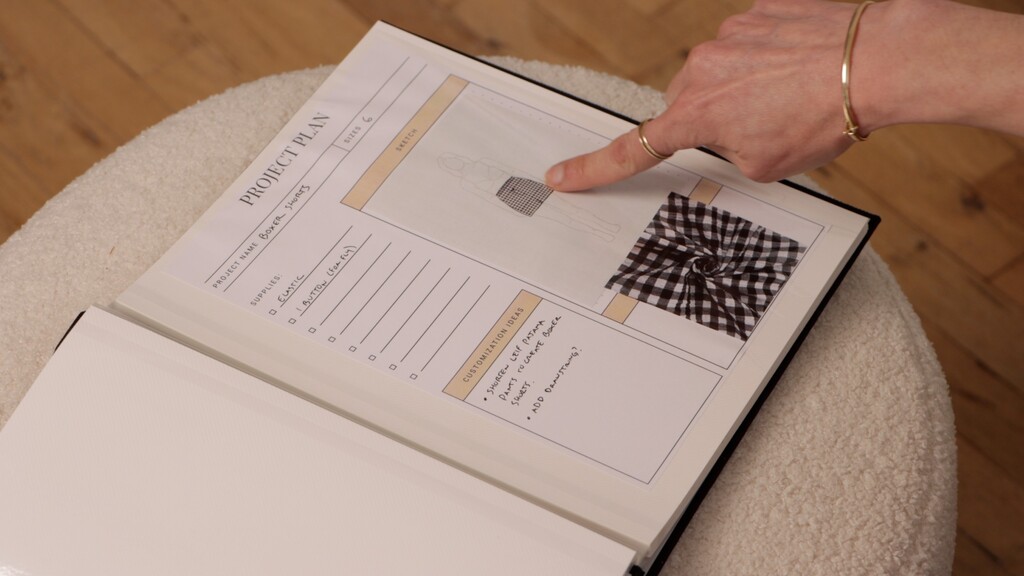
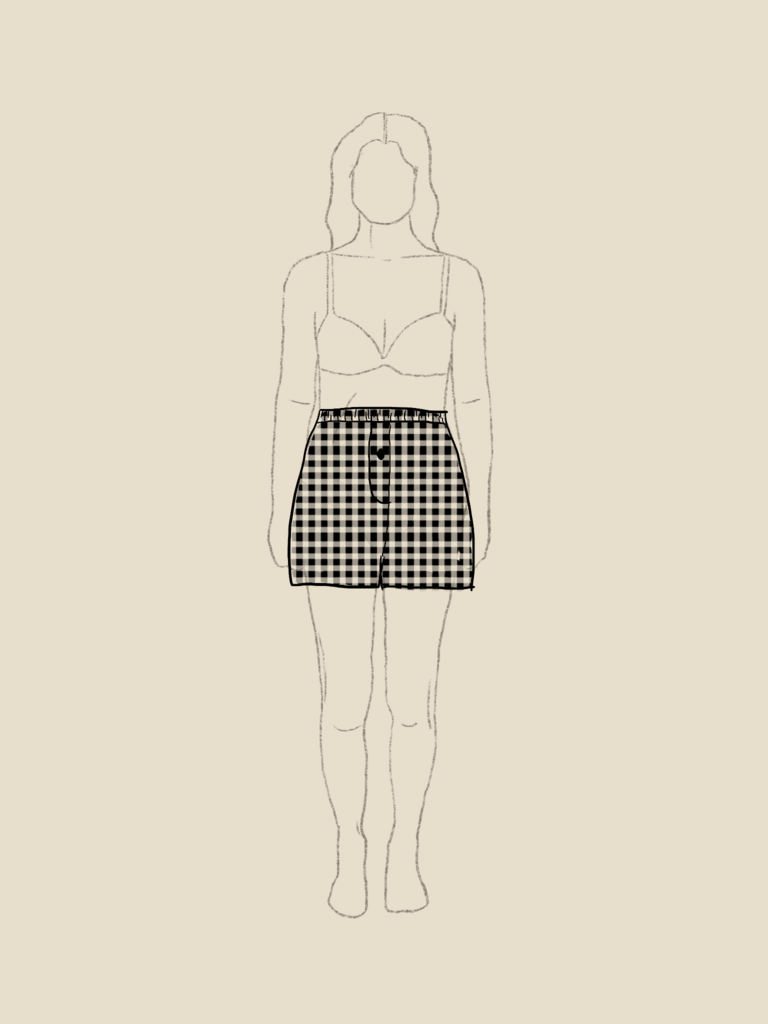
I'm obsessed with elastic waist shorts in summer. They are just so easy. Throw them on, throw them off, done. I already have a few pairs in knit fabrics, but I wanted something with a little more personality this season — something that felt intentional rather than just comfortable.
The Leif pattern is a natural choice here because I've already made the full pants and I know I love the fit. The faux fly front gives them that classic boxer look, and shortening pants into shorts is one of the easiest hacks in sewing.
The fabric is what makes this project special: a beautiful black and white gingham cotton shirting from my stash. It has a crisp hand but is lightweight and breathable, which is everything you want for summer. Classic shirting fabrics — ginghams, stripes, even tiny plaids — are so good for this kind of relaxed, structured short.
(Quick note: if you're nervous about matching up checks and stripes when you sew, I'm planning a video this season with all my best tricks for getting perfect stripe matching. Stay tuned!)
How I'll wear them: With the Morgan tee and the gingham Fern blouse most often. They'd also look great with a simple bodysuit, or just thrown over a swimsuit for a trip to the river.
Project 3: The Gingham Fern Blouse
This is the piece I'm most excited about: the Seamwork Fern blouse, made in matching gingham to create a set with the shorts.
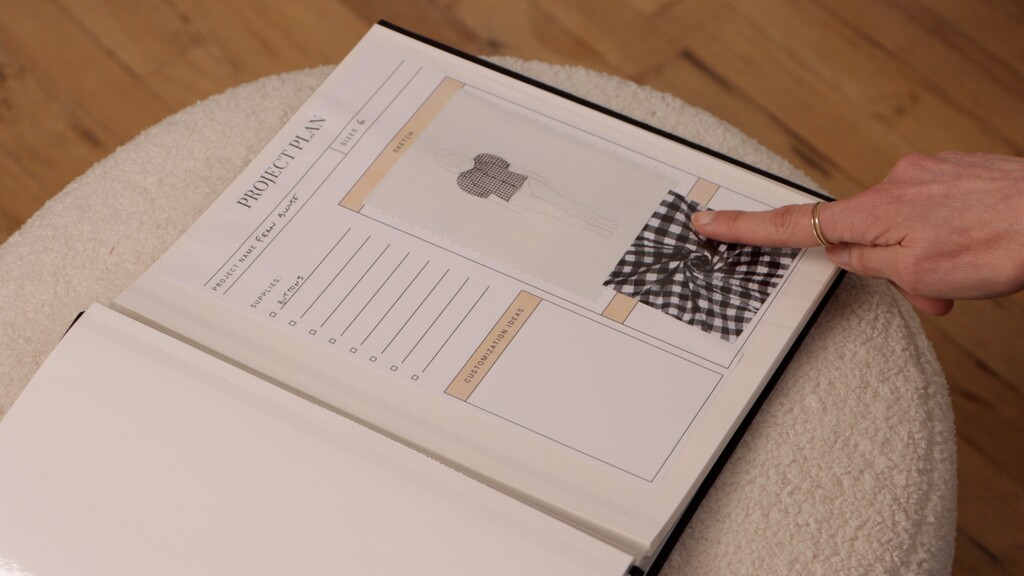
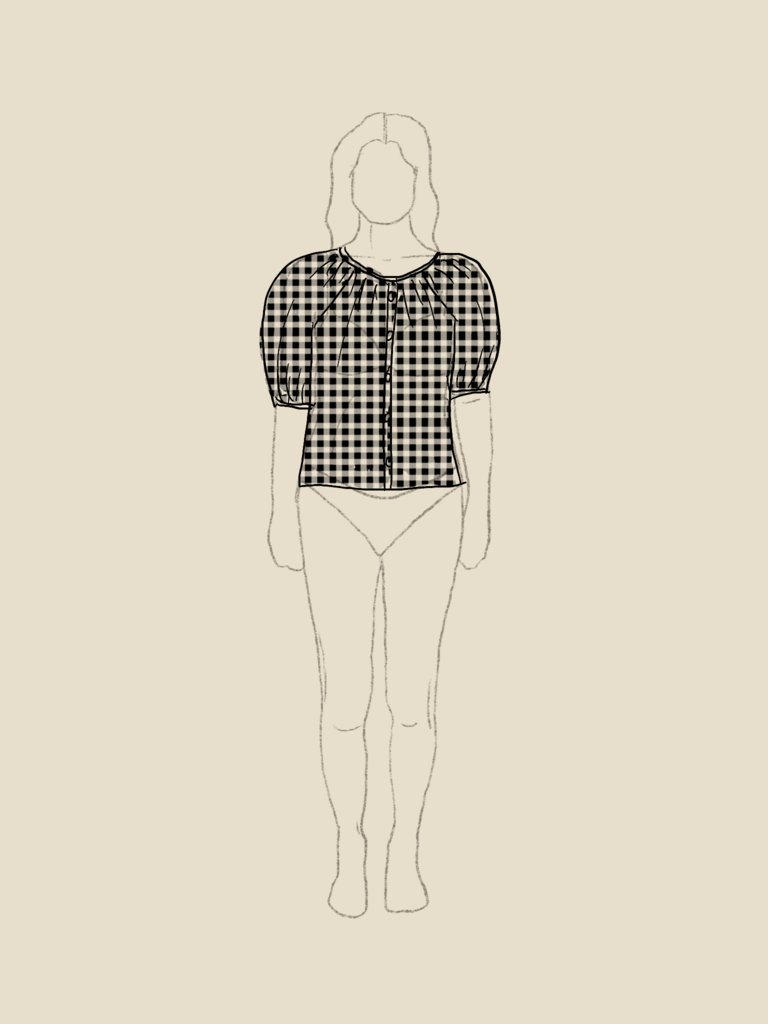
Fern is a short-sleeve blouse with voluminous raglan sleeves and a button-front placket. I made it last year in a Liberty tana lawn — you might have seen it, I even wore it on my trip to Paris — and I've been wanting to make another one ever since. It has that blousy, romantic quality that I love, but because the volume comes from the sleeves rather than the body, it doesn't feel overwhelming on me. It just flows.
There's also a lot of room to play with details on this pattern. The buttons, the placket, the bias neckline, the cuffs — all of these are opportunities to make it your own. I'm planning to use simple shell buttons, because I almost never use plastic buttons if I can help it. The texture and feel of shell or glass buttons is just so much nicer, and it elevates even a simple fabric.
I'm also tempted to add a tiny cotton lace trim along the bound edges. I'd sandwich it between the binding and the blouse so the lace peeks out just slightly. Or I might leave it out entirely and keep it clean. Still deciding!
Making this as a matching set with the boxer shorts gives me so much versatility. Worn together, they look like a fun, intentional two-piece — a little pajama-inspired, which I genuinely love as a summer aesthetic. Worn separately, they're both just great standalone pieces.
How I'll wear it: As a set with the gingham shorts. Also with jeans, a mini skirt, or even under overalls for maximum Ellie May Clampett energy.
Project 4: The Black Knit Citron Dress
The fourth piece is the Seamwork Citron, a bodycon knit dress with a built-in shelf bra — and it's the dressiest thing in this capsule by a long shot.
Let me tell you why I included it anyway.
A black knit tank dress is one of the most genuinely useful pieces you can own in summer. It travels better than almost anything else. It goes from daytime to dinner with a single accessory swap. It layers beautifully over a tee, under a button-up, beneath a lightweight cardigan. I have owned and worn this same garment in various forms for years, and I reach for it constantly.
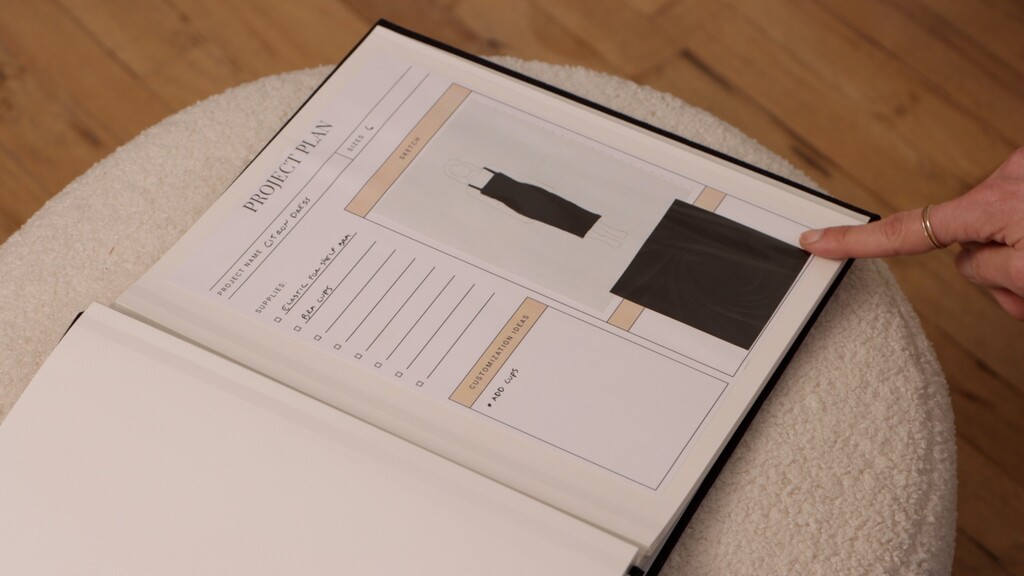
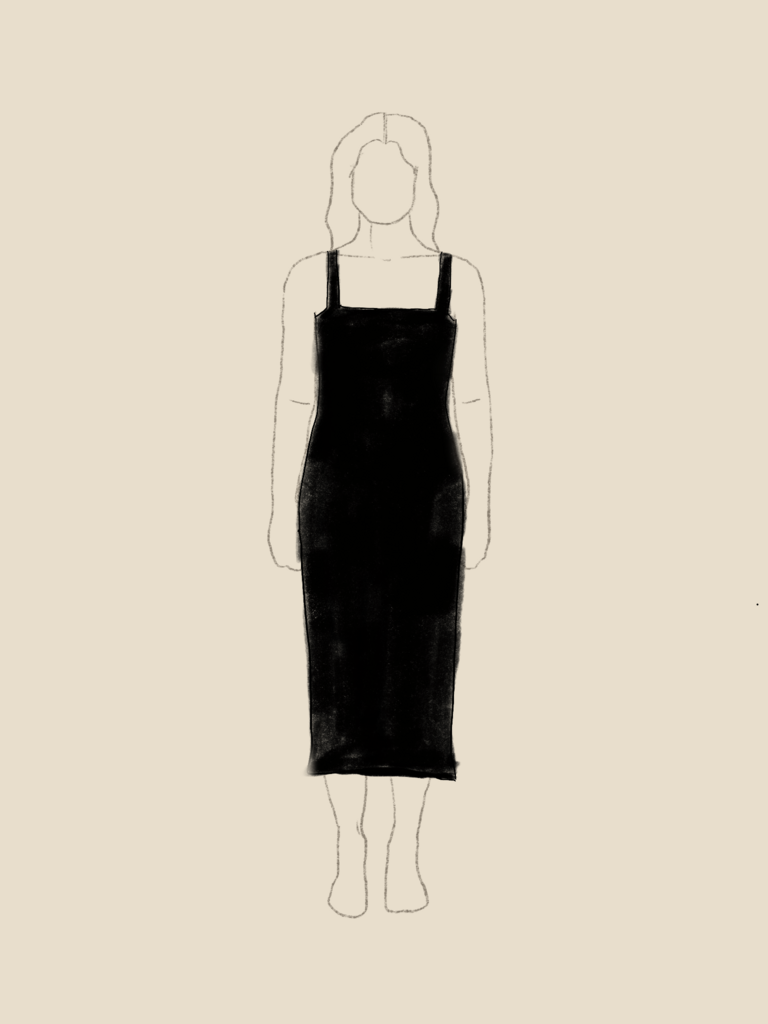
What I love about the Citron specifically is the built-in shelf bra — a total game-changer for summer. No bra decisions, no adjustments, just put it on and go. In July, I want to eliminate as many friction points as possible between me and getting dressed.
For fabric, I'm using a black rib knit from my stash that originally came from Stonemountain and Daughter in Berkeley. It has excellent stretch and recovery, which is crucial for a fitted dress — you want it to snap back to shape after wearing. The wide ribs give it a little more structure and body, so it smooths rather than clings. That distinction matters a lot for comfort and confidence.
How I'll wear it: Thrown over the Morgan tee for a layered 90s moment. With a chambray or oxford button-up knotted at the waist. With a light sweater when we head to the coast. With sandals and a shawl for dinner. There are seriously about a million ways to wear a dress like this, and that's exactly the point.
How the Four Pieces Work Together
Here's the part I love most about planning a capsule: seeing how everything connects.
With just these four pieces, I can build outfits for gardening, hiking, casual errands, a dinner out, a weekend trip, a river afternoon, and everything in between. The white tee anchors almost every combination. The gingham set gives me a fun, personality-forward option that I can break apart for different looks. The black dress is my pull-it-together piece for any occasion that requires looking like I tried.
None of these pieces are complicated to sew. All four are beginner-friendly. And yet together, they function as a complete wardrobe.
That's the whole point. You don't need more projects. You need a better plan.
How to Plan Your Own Summer Capsule
If this approach resonates with you, here's how to apply it to your own summer sewing:
Start with your actual life, not your ideal life. What do you actually do in summer? Where do you go? How hot does it get? What's the one thing you're always reaching for? Build from that, not from what looks beautiful on Pinterest.
Anchor everything with a tight color palette. Two colors is enough. Three is the maximum if you're going tonal. The fewer colors you use, the more outfit combinations you get from fewer pieces.
Choose at least one "bridge" piece. This is something simple — often a tee or a tank — that works with everything else. In my capsule, the Morgan tee is that piece.
Include one set. A matching top and bottom that can be worn together or separately immediately doubles your outfit options without adding much complexity.
Pick one versatile dress. A simple knit dress in a neutral color is one of the hardest-working pieces you can own in summer. It does everything.
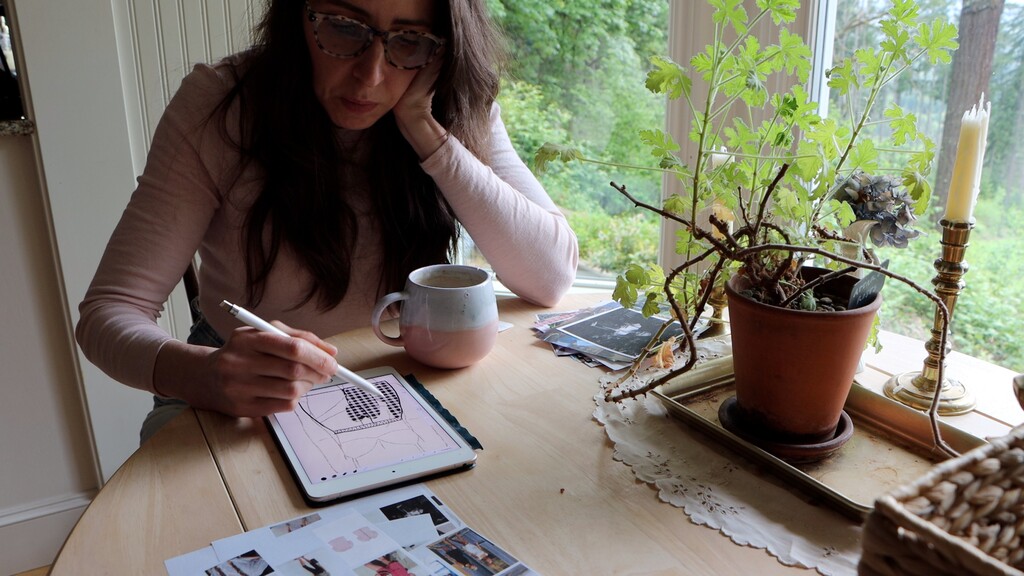
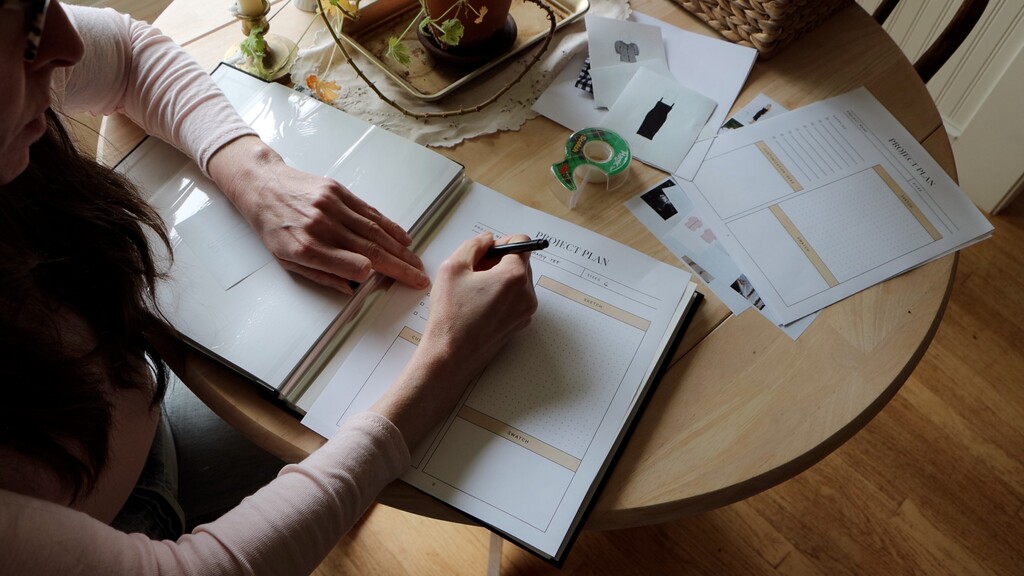
If you want a structured way to work through this process for your own wardrobe, download Seamwork's free wardrobe planner. It walks you through every decision — palette, patterns, fabrics, how everything works together — and gives you space to map out your own mix-and-match capsule before you buy a single yard of fabric.
The Patterns at a Glance
Here's a quick summary of everything I'm making, in case you want to sew along:
Seamwork Morgan — Classic crewneck baby tee. Newer pattern, perfect for knits with good stretch. Fabric: white pointelle knit.
Seamwork Leif (hacked to shorts) — Pajama pants shortened into boxer-style pull-on shorts. Fabric: black and white cotton gingham shirting.
Seamwork Fern — Short-sleeve button-front blouse with voluminous raglan sleeves. Fabric: black and white cotton gingham shirting (matching set with the shorts).
Seamwork Citron — Bodycon knit tank dress with built-in shelf bra. Fabric: black rib knit.
All four patterns are beginner-friendly and quick to sew — exactly what you want for a season when you'd rather be outside than hunched over your machine.
What does your summer wardrobe actually need? Are you a three-outfits person or a different-look-every-day person — and does your sewing list reflect that? I'd love to hear how you're thinking about your summer sewing this year.
 Related Articles
 Best Articles