Have you ever admired a beautifully tailored jacket in a boutique window and thought "I could never afford something like that"? I used to believe that truly elegant clothes were only accessible with a designer budget. But then I realized something that completely changed my perspective on sewing.
Those expensive garments aren't just about premium fabric—they're about knowing which small details create that luxurious look. With a little planning and intentionality, you can create designer-level wardrobe pieces that look chic and expensive without breaking the bank.
Today I'm sharing my secrets for making even simple patterns look like they came straight from a high-end boutique. These techniques have transformed my approach to sewing, and I think they'll change yours too.
What Actually Makes Clothes Look Expensive
Let me start by explaining what actually makes clothes expensive, because understanding this will completely change how you approach your sewing projects.
Designer garments command high prices because of several factors: the quality of materials, the construction methods, the fit standards, and those unique design details that take time and skill to execute. Mass production has to cut corners somewhere, and it's usually in fabric quality, construction shortcuts, and standardized sizing that fits nobody perfectly.
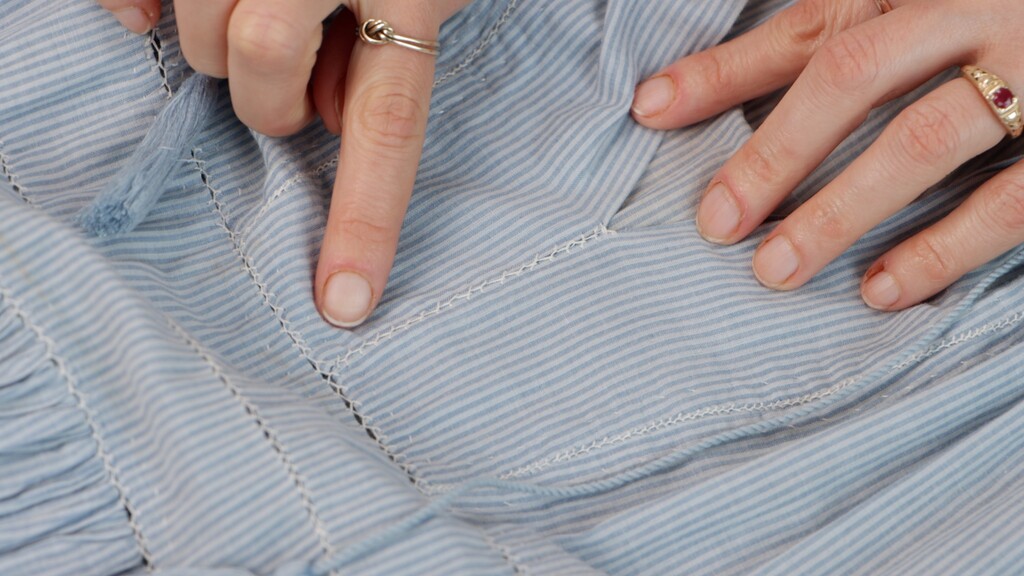
But here's the thing—as a home sewist, you have advantages that even luxury brands don't have. You're only fitting one body, you can take all the time you need on construction, and you can choose exactly the fabrics and details you want.
Now, I want to be honest with you. If you're comparing your sewing costs to fast fashion, you probably won't save money. But if you want beautiful, one-of-a-kind pieces that rival what you'd find in high-end boutiques, you can absolutely create them for a fraction of the retail price.
Study Well-Made Garments Like a Detective
The first strategy is to become a detective when it comes to well-made clothes. Start investigating like you're the Sherlock Holmes of sewing. Study contemporary designers whose work speaks to you. What construction methods are they using? Why do their silhouettes work so well?
When you see a garment you love online, look for close-up shots that show construction details. Ask yourself: what's the most logical way this garment was put together? You'd be amazed at how much you can figure out just from careful observation.
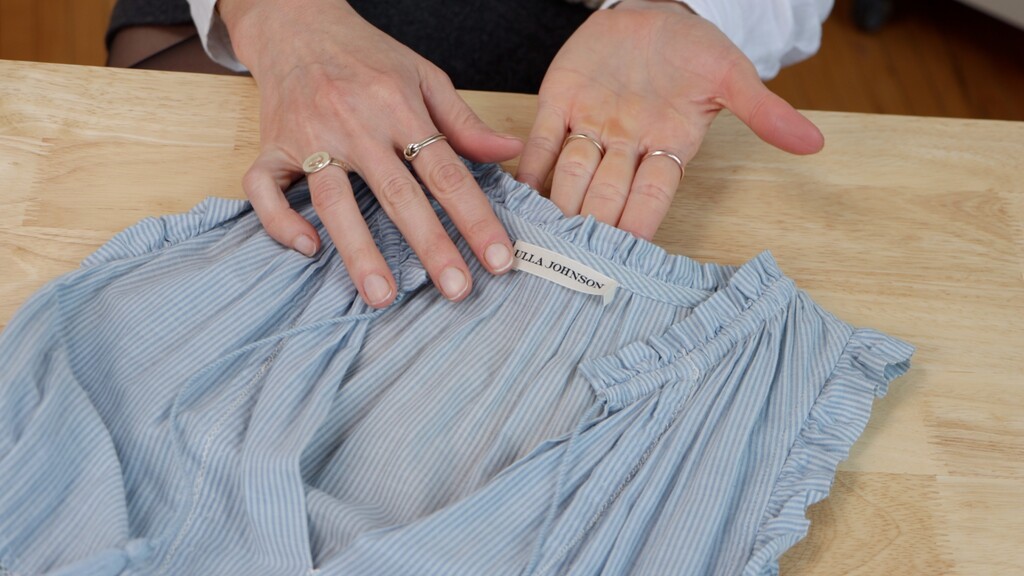
Don't overlook vintage clothing either. Vintage garments often use techniques that are absolutely beautiful but rarely seen today because they're more labor-intensive than what mass production allows. Think about hand-picked zippers or those gorgeous bound buttonholes on 1940s coats. These details take extra time, which is exactly why they signal quality and craftsmanship.
This same detective approach works with vintage patterns too. Even if you find one that's not in your size, you can still analyze the techniques and features that draw you to it, then incorporate those methods into your tried and true patterns.
Here's an example of one of my favorite projects ever, which I sewed from a vintage 1950s pattern. I sewed this jacket in luxurious Pendleton wool, used bound buttonholes, and gave it a silk lining. But to me, it's also the classic vintage shape that makes it feel so luxurious and timeless.
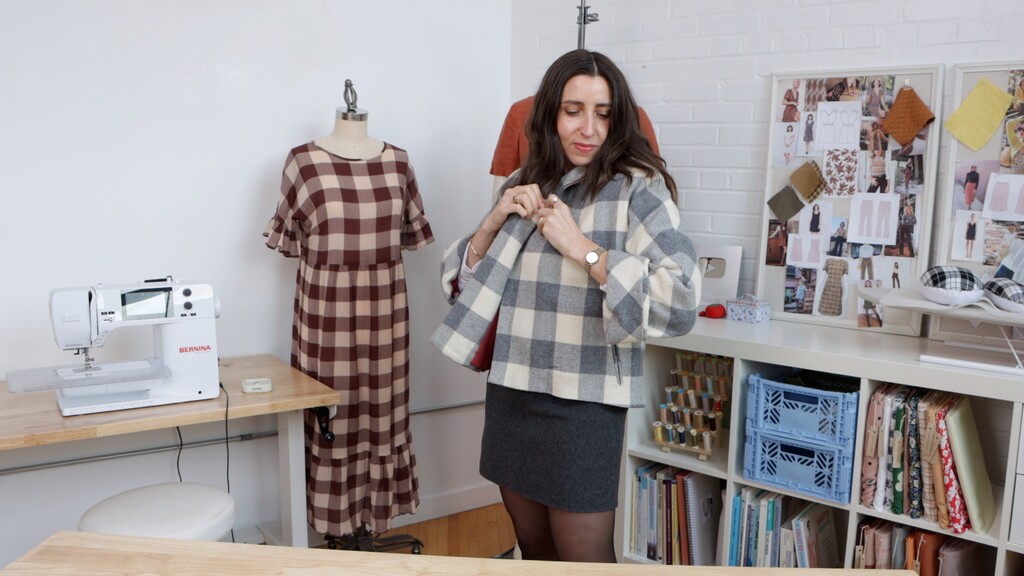
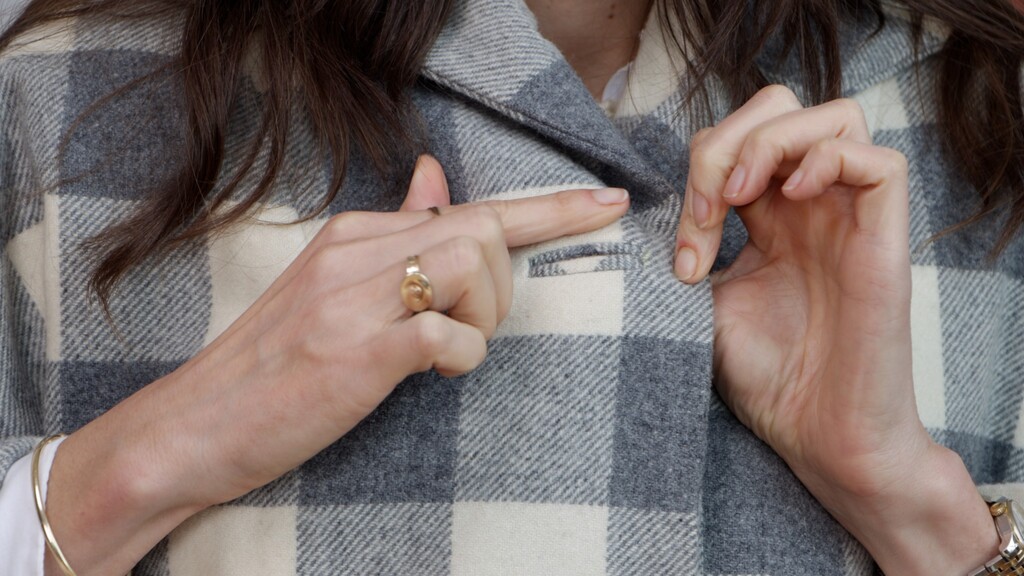
I sewed this jacket over 10 years ago and still love it as much as the day I finished sewing it. That's the power of investing time in those special details.
Invest in High-Quality Fabrics That Feel Luxurious
This brings me to my second strategy: investing in quality fabrics. High-quality fabrics are what separate expensive clothes from cheap ones, and this is where you can get the biggest bang for your buck.
Quality fabrics last longer, they don't pill as quickly, they keep their shape, and they develop that beautiful "lived in" look that makes vintage clothing so appealing. But quality doesn't always mean expensive.
In our world dominated by synthetics, garments made from natural fibers automatically exude sophistication. Cotton, linen, wool, silk—these fabrics just feel different when you wear them and they look different too.
Finding Designer Fabrics for Less
One of my favorite fabric sources is designer deadstock. Deadstock is leftover fabric from designer collections—often it's literally the same fabric that went into thousand-dollar garments, but you can buy it for a fraction of that cost. I've found incredible silk charmeuse and wool crepe this way.
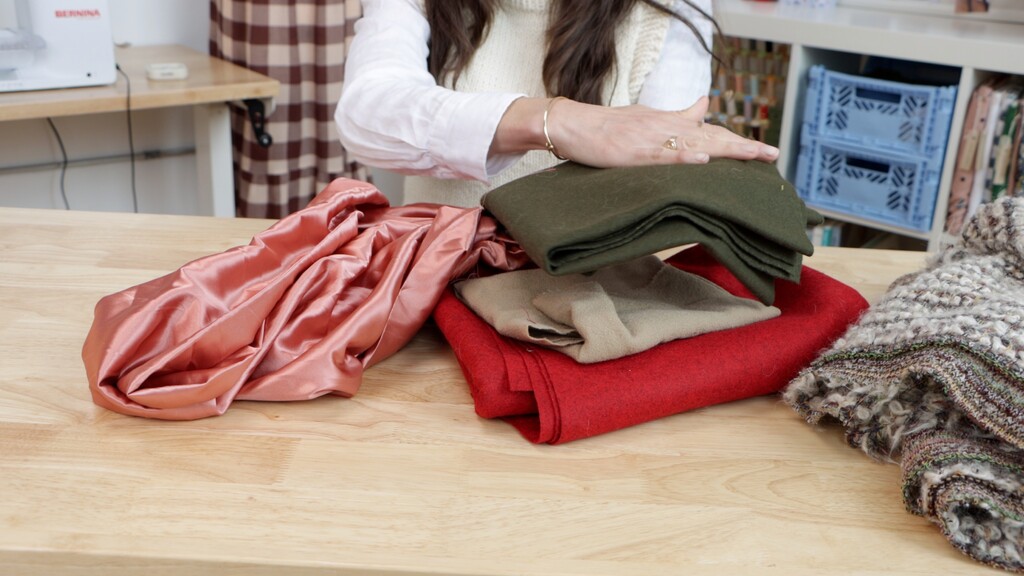
Even if you're a beginner, you can make simple things in quality fabrics. Take linen, for example—it's one of the most forgiving natural fibers to work with when you're starting out. Unlike some fabrics that show every imperfect stitch, linen has a naturally relaxed, lived-in quality that actually looks better with a bit of texture and irregularity.
Linen is also incredibly honest—it drapes beautifully without requiring complex construction techniques, and its natural wrinkles are part of its charm rather than a flaw to hide. A simple linen shift dress or easy button-up shirt immediately looks more expensive and thoughtful than the same pattern in a synthetic fabric, simply because linen carries that inherent sense of quality and timelessness.
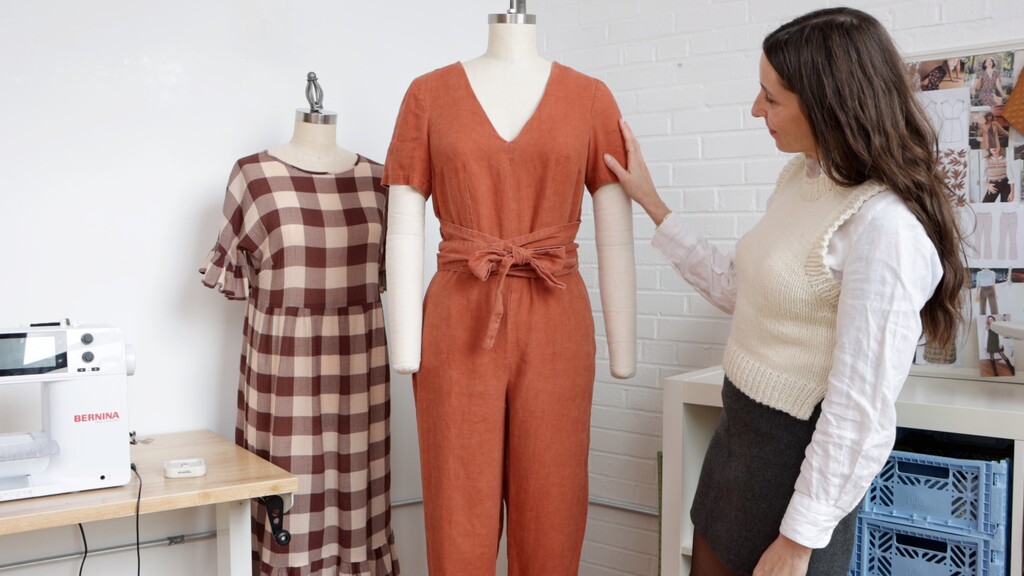
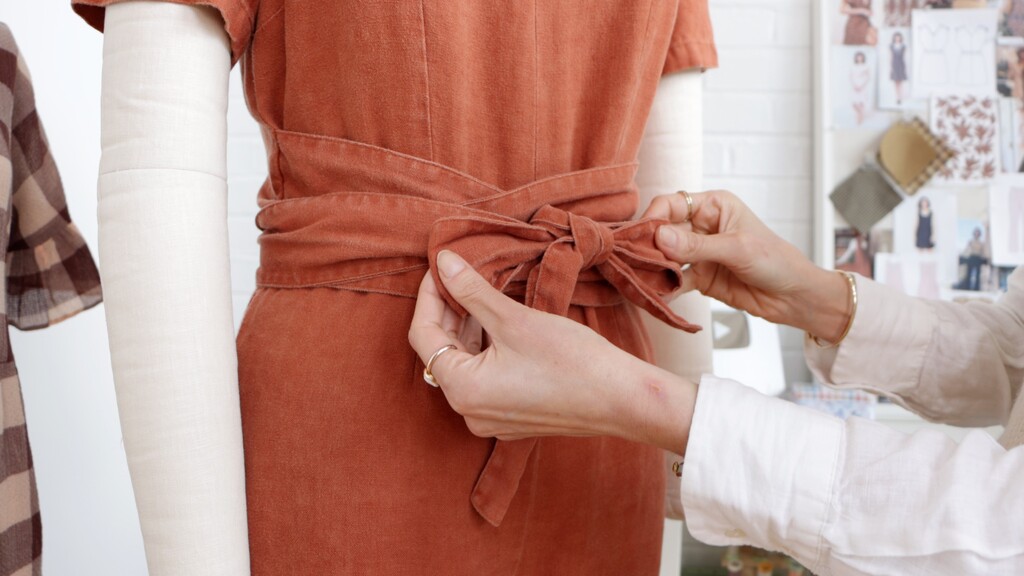
Here's a Seamwork Sky jumpsuit I made in this gorgeous, thick rust-colored linen. Not only does linen feel luxurious, it gets softer and softer with each wash so it wears well over time. This jumpsuit has not only lasted well, it feels perfectly worn in.
Plan Your Projects Strategically for Maximum Impact
The third strategy is planning your projects thoughtfully. Having a beautiful wardrobe doesn't mean spending a lot—it's about having pieces that actually go together and work with your lifestyle.
Think about the garments you reach for again and again. What colors do you gravitate toward? What silhouettes make you feel confident? I actually keep track of my most-worn pieces and outfits using an app, so I can analyze patterns in what I love.
This is where planning becomes powerful. Instead of randomly sewing whatever pattern catches your eye, build around a cohesive palette and plan how pieces will work together.
Creating Statement Pieces That Work Hard
Be sure to include a statement garment in your plans too—this gives you the best return on your sewing time. One statement piece that coordinates with multiple other garments instantly creates more outfits without more sewing.
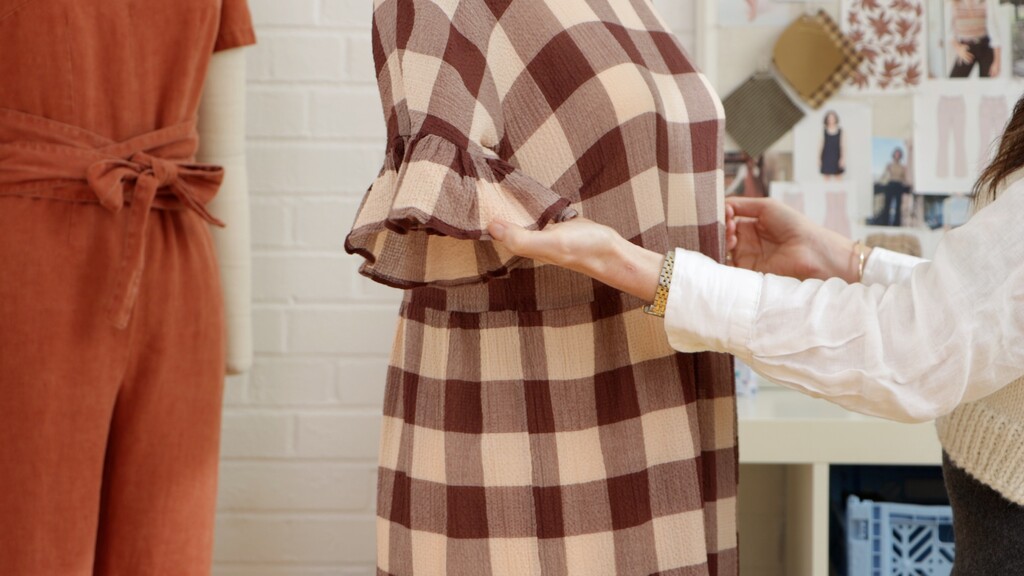
Here's an example from my own sewing. I made this Seamwork Benning dress in this gorgeous sheer checked fabric, and added some ruffles to the sleeves to make it even more of a standout. The pattern itself is simple, the fabric wasn't expensive, but I took my time with the planning and details so it really feels special.
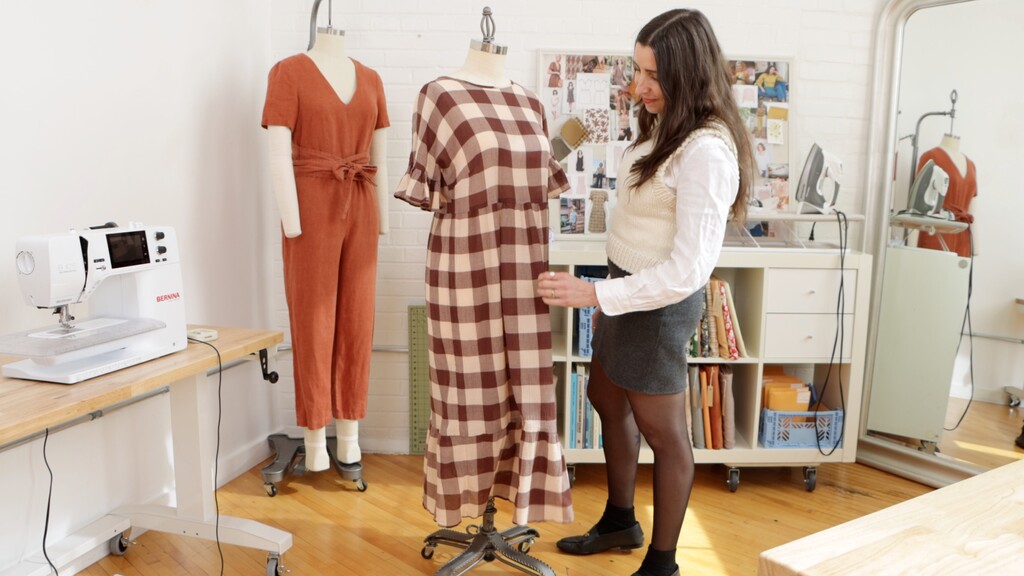
And I specifically made it in colors that I wear often, so that I can pair it with the pieces I already own. That's literally what designers do. They build around a palette and plan how pieces work together as a collection. You can absolutely do that too.
Focus on Fit for That Custom-Made Look
Now let's talk about fit, because this is your secret weapon for creating clothes that look custom-made. One of the biggest trade-offs in mass garment production is that clothes must be designed to fit a wide variety of bodies. Fit standards are based on population averages, which means they fit very few people well off the rack.
When you're sewing your own wardrobe, you only have to worry about fitting one body: yours. Spending time on fitting will make your clothes look intentional and custom, like they were literally made for your body—because they were.
Start With a Toile
Always make a toile or fit garment first. This is the best way to figure out how a pattern will fit your body, and it should be made in fabric similar to your final garment. I know it feels like extra work, but I promise this step will save you time and heartbreak in the long run.
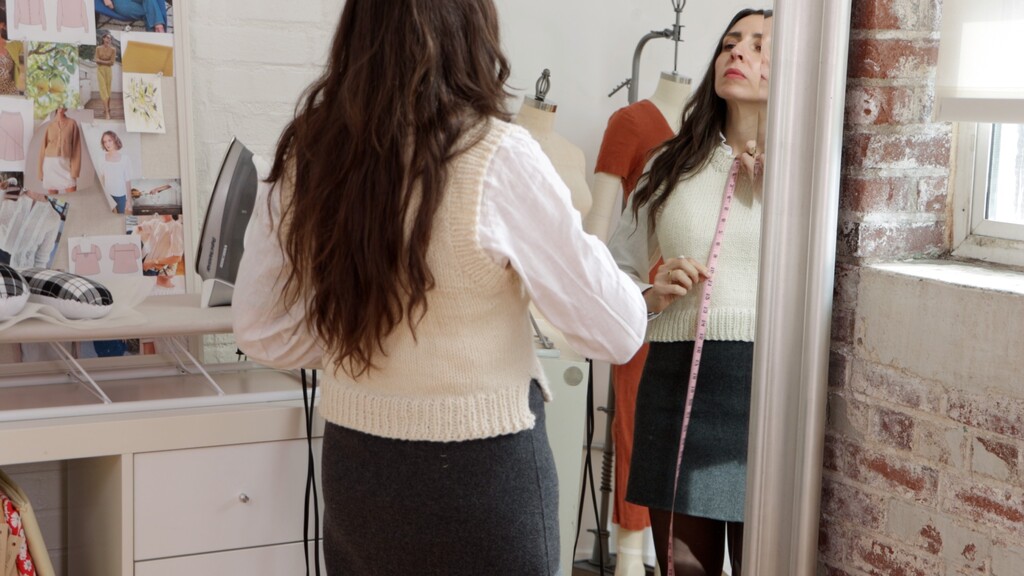
Start with easy adjustments that give you big results. Length adjustments are often the lowest-hanging fruit—most patterns include lengthen and shorten lines, and getting the length right instantly makes a garment look more polished. For example, I have a short torso and high waist, so I often shorten the bodice on my own garments to get a better fit.
If you feel intimidated by the fitting process, read this article about Seamwork's Fitting Series. Instead of focusing on the nitty gritty fit adjustments, we teach you the broader concepts that will help you understand fitting as a whole. You'll learn the fundamental skills for diagnosing fitting issues and making essential pattern adjustments that will serve you for every garment you make.
Add Special Details That Signal Quality
This is where you can really make your sewing feel bespoke. Eye-catching details are a hallmark of designer clothes—intriguing style lines, delicate fastenings, intricate embroidery. Basically anything that takes too much time and resources to be mass-produced suggests a handmade, luxurious touch.
One of the biggest advantages of sewing your own clothes is that you get to tailor every detail to exactly what you love. Whether it's a bold design feature that catches everyone's eye or a hidden detail that makes you smile every time you wear it, these personal touches transform your handmade pieces from just clothing into something truly special.
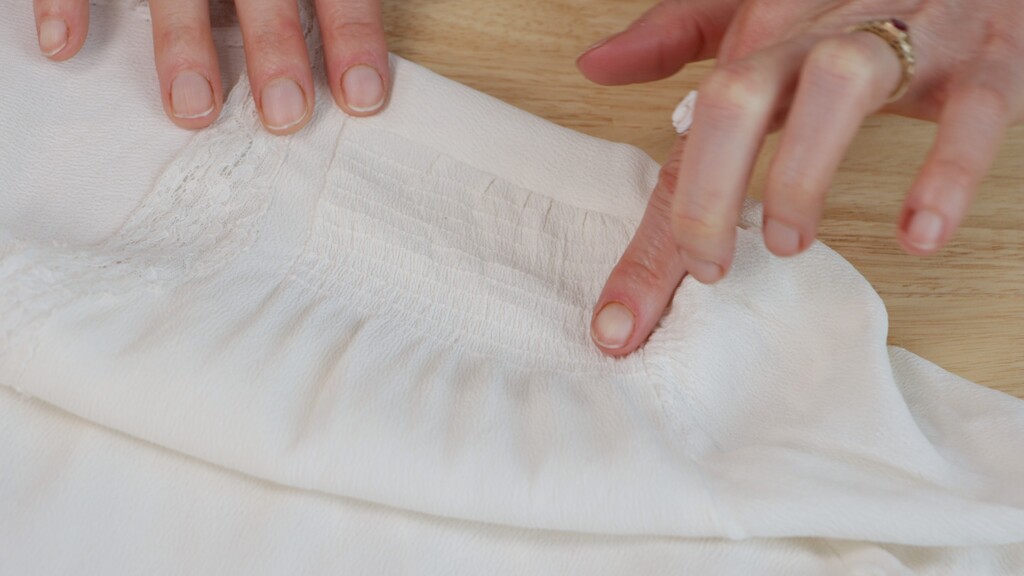
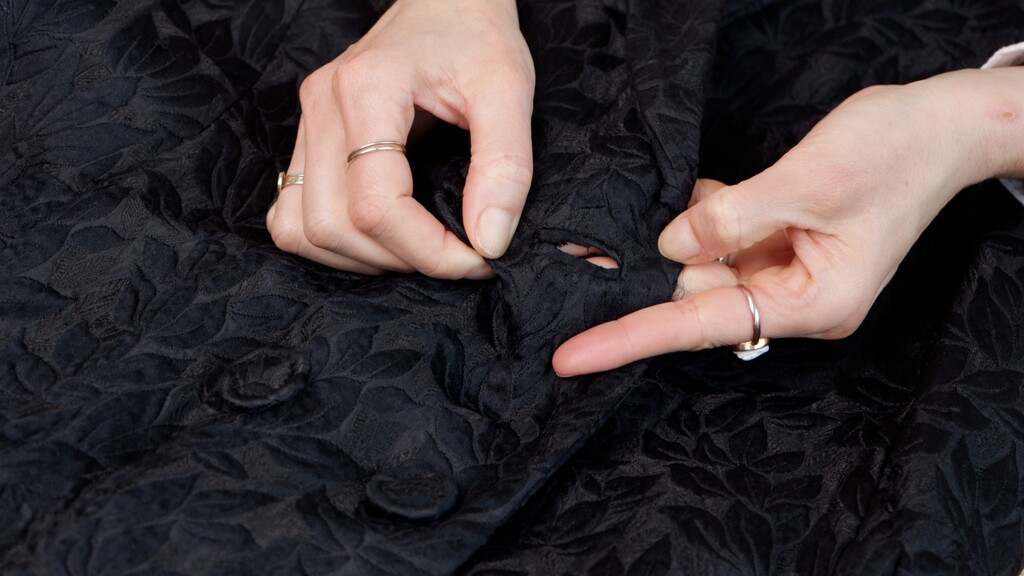
I keep a Pinterest board specifically for unique design details as inspiration. Things like contrast piping, covered buttons made from the same fabric, hand-stitched hems, or unexpected pocket details. I love to use antique glass or shell buttons rather than modern plastic ones, and spend time planning out special finishes like French seams. These small touches add up to create that expensive feeling.
The key is choosing details that enhance the design rather than competing with it. One or two special touches are more effective than overwhelming a garment with too many elements.
Patterns Perfect for Practicing These Techniques
Remember, you don't need expensive tools or years of experience to start implementing these strategies. The goal isn't to copy expensive clothes exactly, but to understand what makes them appealing and translate those qualities into your own sewing. Small, intentional choices can transform even the simplest patterns into something that feels luxurious.
The Meadow Blouse: Classic Elegance with Modern Flair
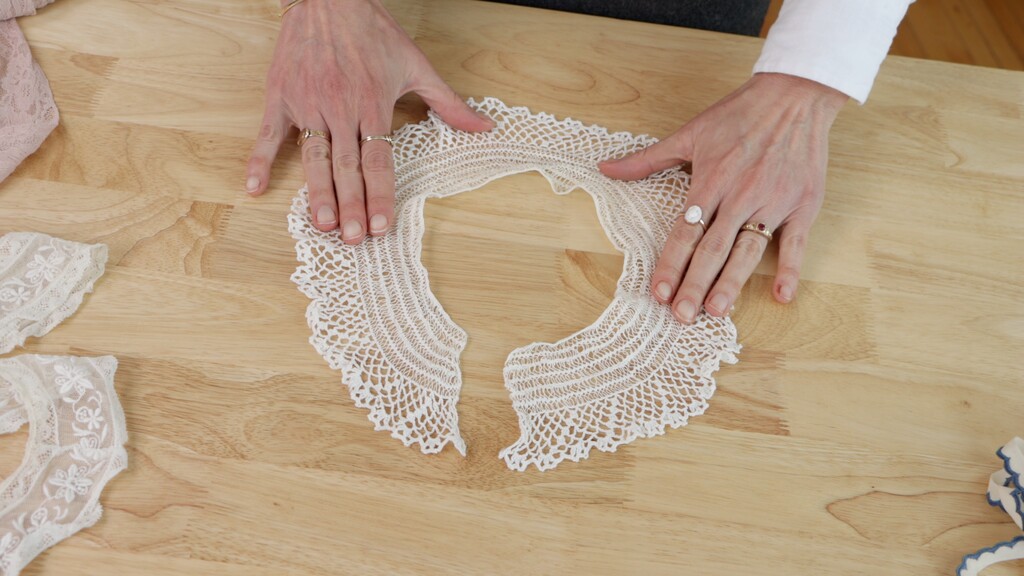
Take the Meadow Blouse—it has this wonderful blend of classic charm with just enough modern flair to keep it fresh. The dramatic ruffle collar adds that touch of whimsy we all crave, while the straight fit and high neckline create a sophisticated foundation. But here's where it gets exciting—imagine that same blouse with the ruffle collar cut from contrast lace or silk organza. Suddenly, this beginner-friendly top becomes an elevated statement piece that could easily be mistaken for something from a boutique.
The Lilac Dress: Built-in Vintage Sophistication
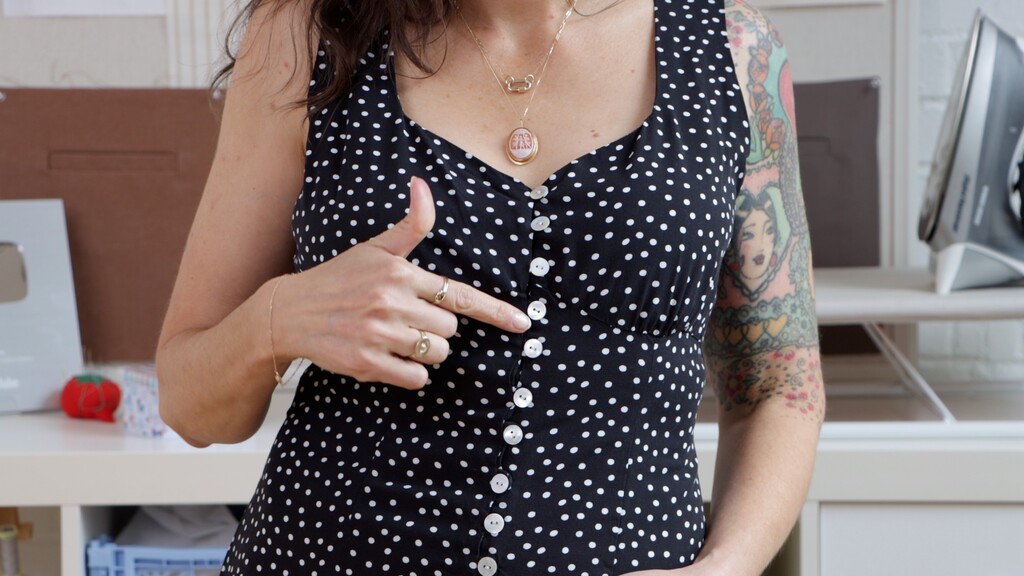
Then there's the Lilac dress, which already has that perfect vintage elegance built right in. The slim midi cut, deep V-neckline, and those princess seams with gentle gathers under the bust—it's all there. The shank buttons with loop closures give it that authentic vintage charm, while the front placket keeps everything modest and wearable. Picture this same dress in silk charmeuse with vintage pearl shank buttons, and you'd have an elegant party dress that would turn heads all night.
The Mercer Coveralls: Modern Structure Meets Premium Details
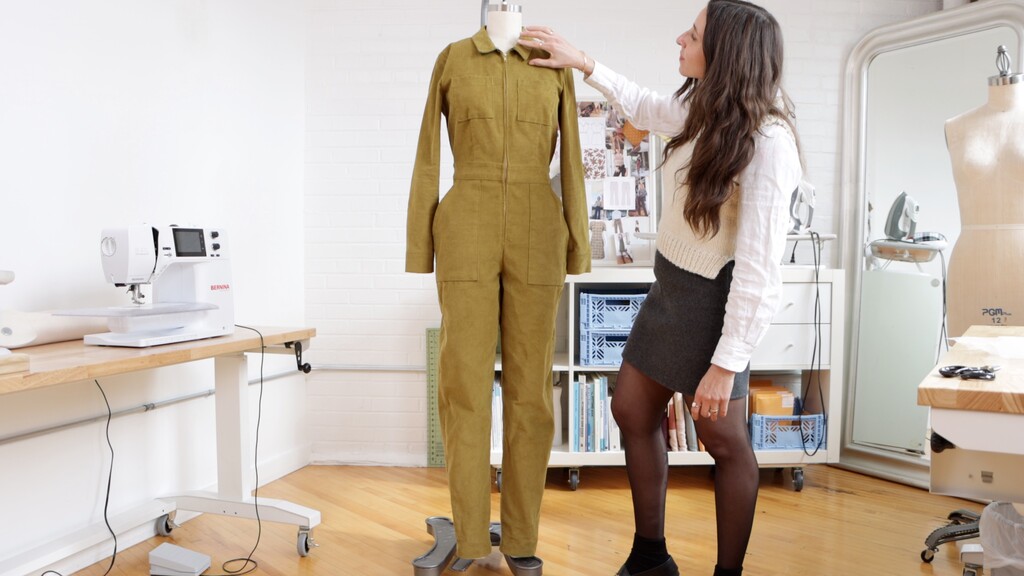
And if you're ready to tackle something with more structure, the Mercer coveralls are like a masterclass in fundamental sewing skills wrapped up in modern style. The sleek fit, straight-cut legs, and those details like the convertible collar and cuffed sleeves with plackets—they all work together beautifully. Now imagine these in a dark wash selvedge denim, with that coveted selvedge edge featured on the patch pockets. That one detail alone would give you that chic, high-end look that people pay premium prices for.
With practice, you'll start noticing those little details that make all the difference—and trust me, once you see them, you can't unsee them. Start with one technique that excites you most, whether it's sourcing better fabrics or adding one special detail to your next project. Each small step builds your skills and confidence, creating a wardrobe that truly reflects your personal style and attention to quality.