Some of the biggest improvements I've made to my sewing over the years didn't come from learning new techniques. They came from changing a handful of tiny habits.
How you set up. The order you do things in. Remembering one machine setting before you start stitching. These are the things that actually save you time, prevent mistakes, and make the whole process feel smoother—way more than any new skill ever did.
I've picked up ten micro-habits that take less than a couple of minutes to build into your routine. Once they become automatic, you'll wonder how you ever sewed without them.
1. Change Your Needle With Every Project
I once sat down to sew a rayon dress, and the second I started stitching, the fabric got pushed straight down into the throat plate. I knew immediately something was wrong.
You've probably done this too. I'd left an old needle in the machine, and my last project had been heavy canvas—so of course a dull, thick needle was chewing up that delicate rayon. It's the kind of thing that makes you sure you've ruined the fabric, when really it's the easiest fix there is. Skipped stitches and mystery puckering aren't your fabric's fault. They're your needle's.
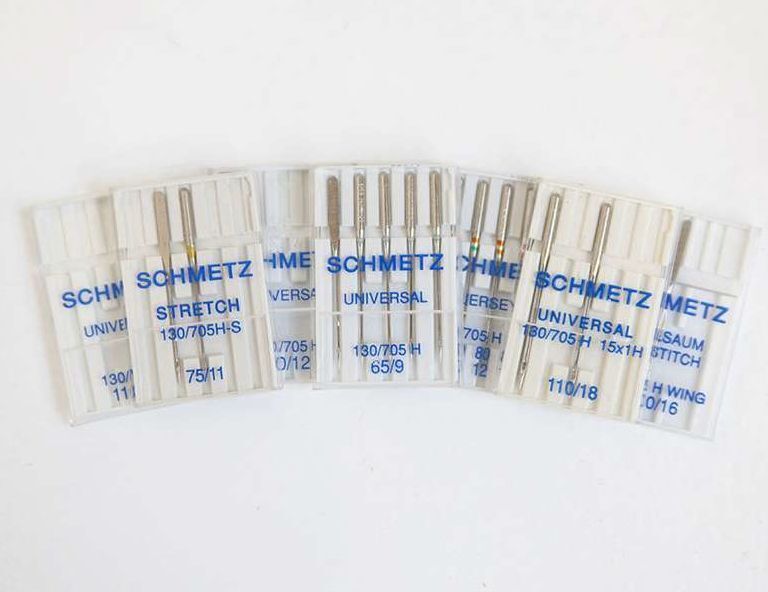
Now, I change my needle with every new project, no exceptions—and I match the type to the fabric while I'm at it: universal for wovens, jersey or ballpoint for knits, denim for heavy bottomweights. Needles aren't expensive, so it's easier to just make it a rule every single time than to try to guess how long one will last. It's a small thing to swap out, but it's cheap insurance against damage and frustration.
2. Keep a Test Scrap by the Machine
Recently, while I was sewing buttonholes on my Fern blouse, the machine kept stitching unevenly and puckering my fabric. So I rethreaded my machine, and before diving right back into the project and hoping it wouldn't destroy anything, I reached for the thing that always saves me in these moments: my test scrap.
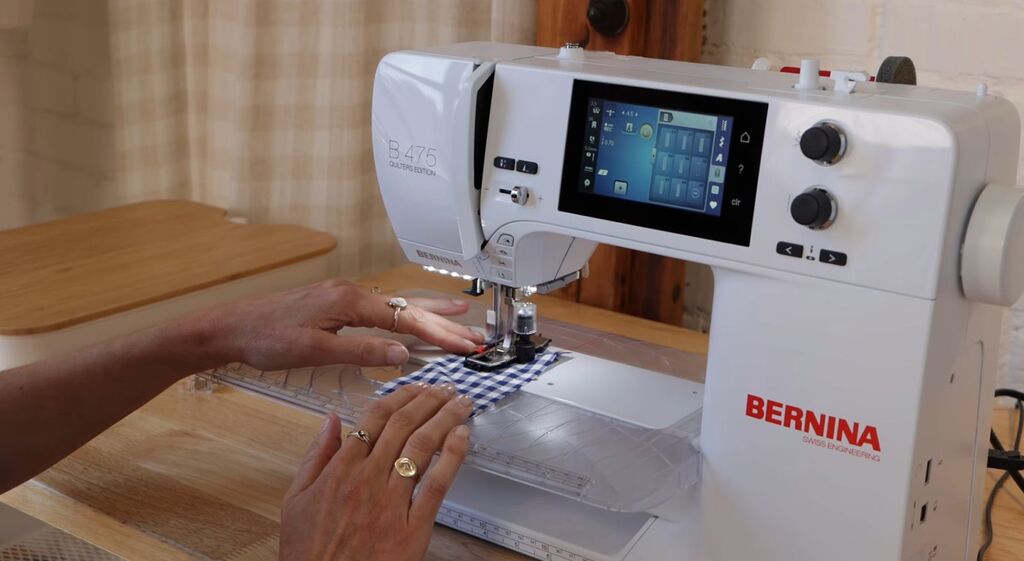
I always cut an extra piece of scrap from whatever I'm working with and leave it sitting right next to my machine before I even start sewing. That way, I can test my stitch settings on the scrap first, instead of finding out something's wrong once I'm already on the real seam. This matters most for buttonholes, zigzag stitches, or anything on knits—settings that were perfect last time might not work for this fabric.
The easiest way to build this habit is to do it while you're cutting. Every single time you cut a project, include that test scrap in your cutting plan. Then set it right next to the machine, and you're good to go. Chances are, you'll need it somewhere along the way.
3. Clip Your Threads as You Go
It's tempting to save all your trimming for later, in one efficient batch. Except later comes, and now you can't remember which seams you already clipped and which ones still need it.
I used to do this all the time. At the end of a project, instead of something that looked polished and ready to wear, I'd have a jumbled mess of threads to sort through—and sometimes those extra threads would get caught in the stitching, making ugly little thread nests.
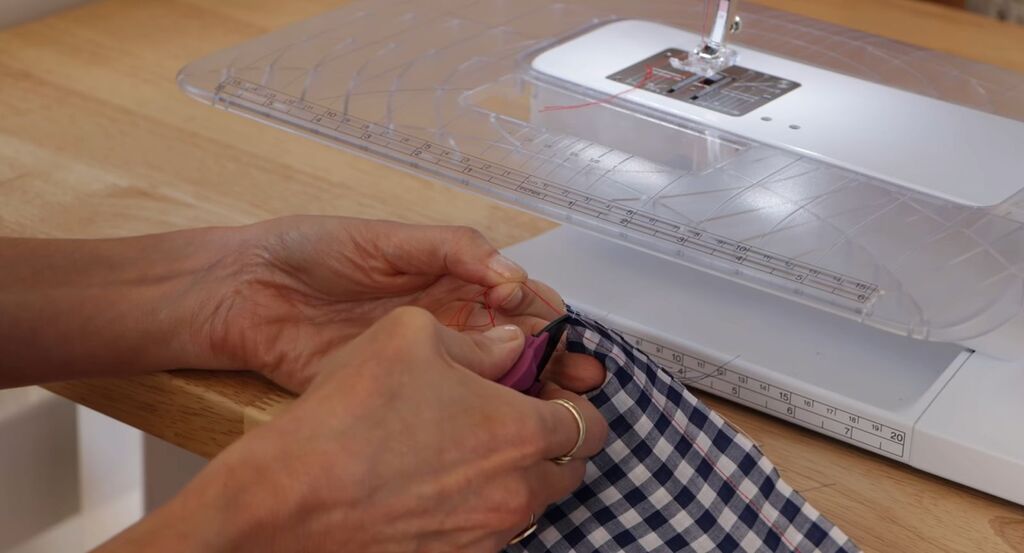
So now I clip each seam allowance right after I sew it, before moving on to the next step. I'll admit it feels a little inefficient in the moment, like I'm interrupting myself, but it's saved me so many times from that nagging "wait, did I already do this one?" feeling. It takes seconds, and nothing slips through the cracks.
4. Plug In Your Iron the Moment You Sit Down
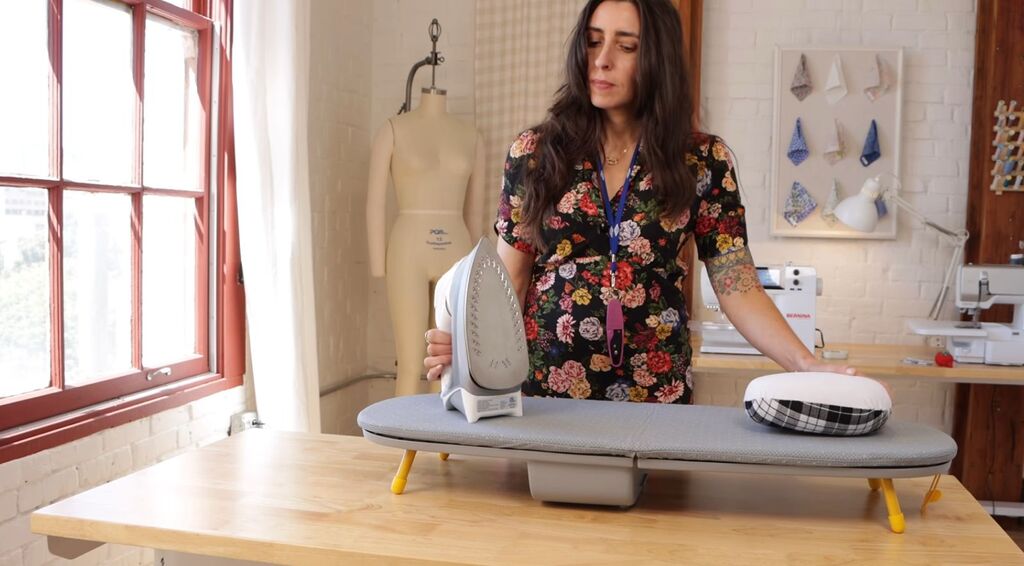
There's one thing I do as soon as I enter my shed to start a sewing session: I immediately plug in my iron, so it's hot by the time I need it.
If your iron isn't hot when you reach a seam that needs pressing, it's so tempting to skip it, just this once. You tell yourself finger-pressing is fine. But let's face it—it's rarely fine. And I'm not taking all this time to sew just to make something "good enough." I want to press with care.
So now, the iron goes on the second I sit down to sew, before I thread anything, before I cut anything. Because once it's hot, there's no excuse left to talk myself out of pressing. By the time I actually need it, it's ready, and the temptation to skip is already gone.
5. Chain-Piece Your Seams Like a Quilter
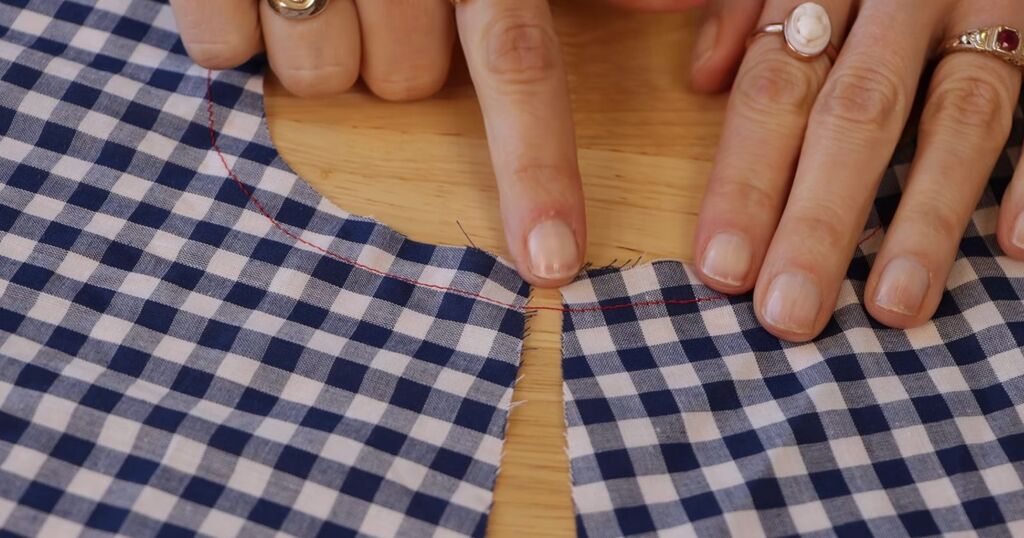
When you're sewing multiple seams, the stops and starts can totally kill your momentum: sew, stop, cut the thread, reposition, sew again. So I borrow a trick from quilters. I chain my pieces together, feeding them through the machine back to back without stopping, then just snip the threads between each one afterward. It saves time, and just as importantly, you stay in the rhythm of sewing instead of constantly breaking it.
You might be wondering about pressing. I only chain pieces that can all be pressed at the same time. For example, if I'm staystitching a front neck, back neck, and facing pieces, I'll chain them all one after the other, then cut the thread in between when I'm done. It's fast and efficient, and it doesn't affect pressing at all.
6. Switch to a Magnetic Pincushion
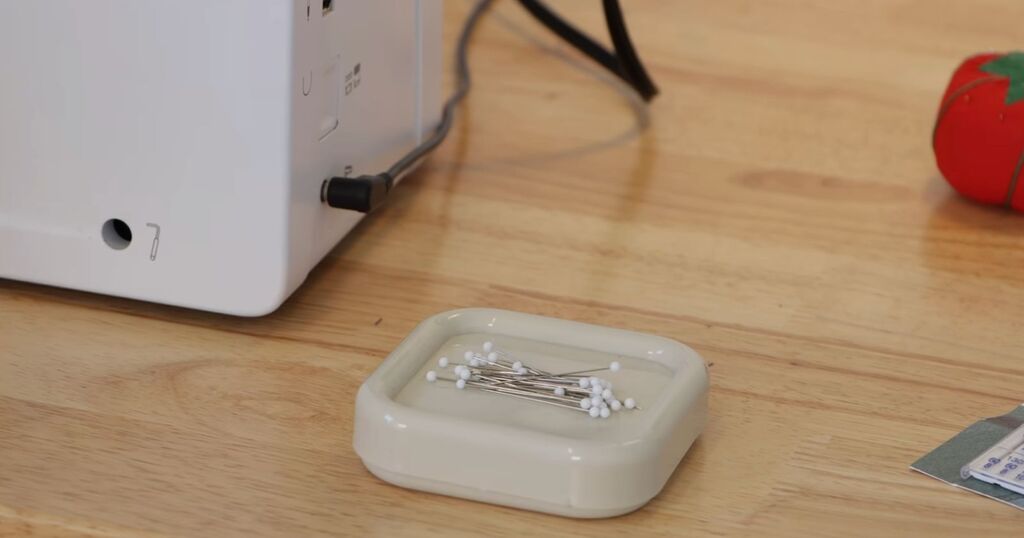
Aiming pins carefully at the top of a pincushion sounds simple, until you're doing it fifty times in a row and half of them still end up on the floor. So I switched to a magnetic pincushion, which means I can just drop pins near it and let the magnet do the work. Honestly, there's something a little satisfying about tossing pins in the general direction and having them land exactly where they need to be. It's faster, and it means fewer pins waiting to find your foot later.
I keep at least two of them—one near my sewing machine, and one on my cutting table. I love using little magnetic tool dishes I picked up at the hardware store.
7. Keep a Tool Tray Next to Your Machine
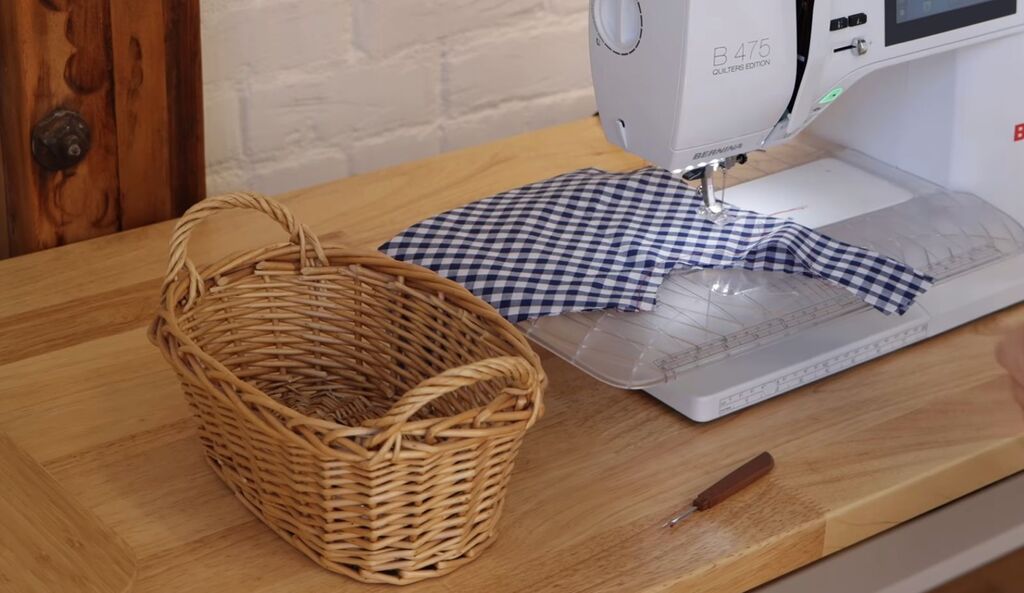
Speaking of keeping things close by, I keep a small basket next to my sewing machine at all times, holding the tools I reach for again and again: a seam ripper, a pair of thread snips, a pair of bent-angle tweezers, and a second pair of snips on a lanyard.
These are the tools I'm using constantly as I sew, so having them right next to me saves a ton of time. The real trick isn't just having them close—it's that every one of them goes back in the basket at the end of a sewing day. That way I always know exactly where they are when I sit down next, instead of hunting around for the seam ripper that wandered off mid-project. That's usually all it takes to break my focus.
8. Wear Your Thread Snips Around Your Neck
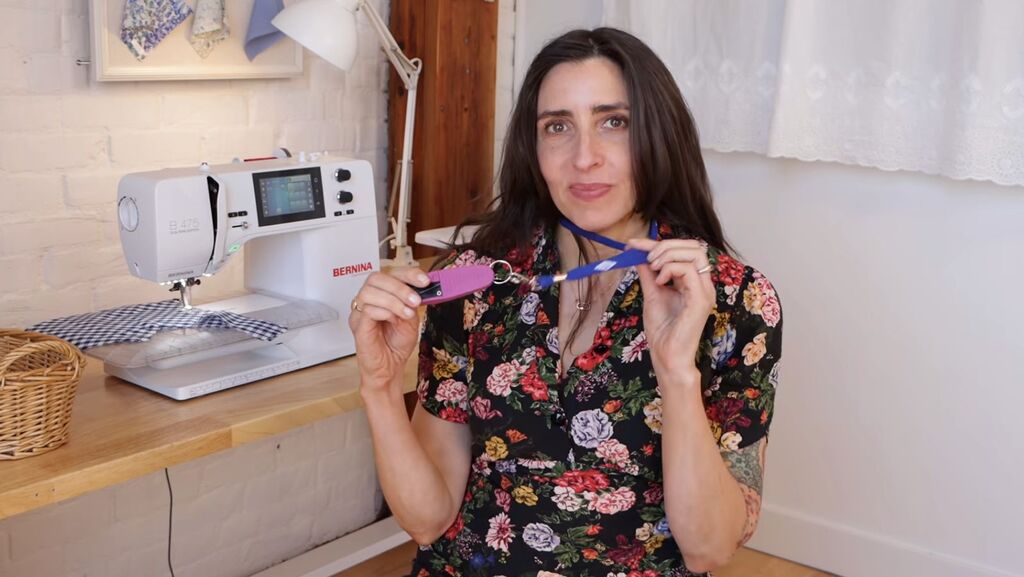
If a tray next to your machine is good, wearing your tools is even better. I wear a pair of thread snips around my neck on a ribbon, so they're always handy—no searching required. Mine has a guard, so I'm not poking myself every time I reach for them. Just make sure yours has some kind of guard too, so you don't stab yourself when you sit down.
This saves me so much time. Once you try it, you realize you've spent years hunting for scissors that were never more than a few feet away the whole time.
9. Photograph Your Stitch Settings
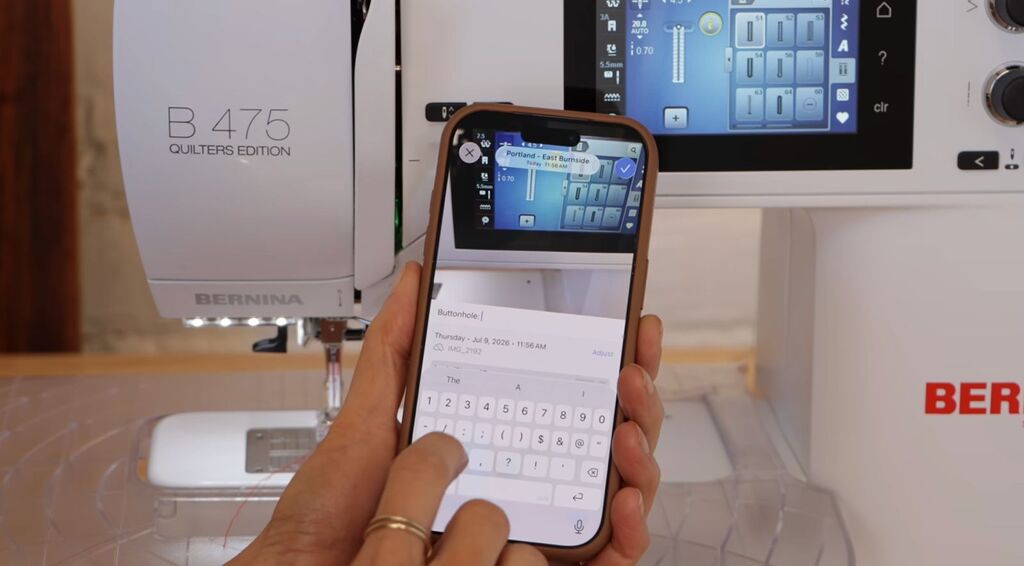
I ran into this recently on a Fern and Leif set I was making. I'd sewn the buttonholes on the Fern top in exactly the right size, added the buttons, and it all came out perfectly. Then I decided I wanted to use the same button on the faux fly of the Leif pants so the two pieces would match—and of course, I had no memory of what buttonhole settings I'd used. I had to dial it all back in from scratch.
Now, the moment a setting is right, I photograph it—serger tensions, zigzag settings, buttonhole configurations, all of it. I jot down the fabric and project in the notes, so I'm never re-testing from scratch on something I've already solved. My phone's basically become my own sewing reference library. This works especially well for needle-and-thread pairings or a seam finish that worked perfectly on a certain fabric weight. Test it once, and it's already solved for next time.
10. Store Specialty Bobbins With Their Spool
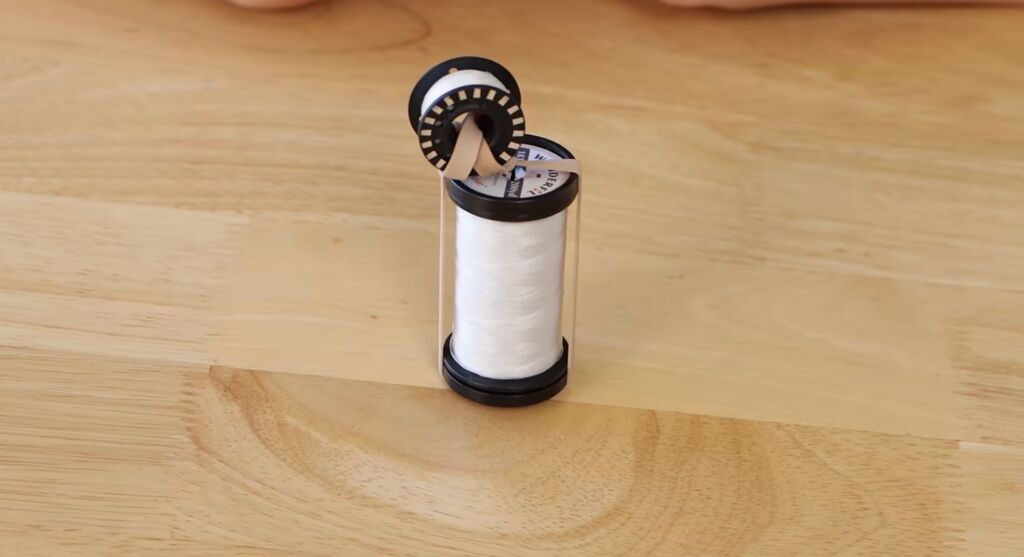
I have a bobbin wound with fusible thread, and if it ends up mixed in with my regular bobbins, it's an easy mistake to make—it looks exactly like plain white thread.
So I don't store it with the others. The moment I wind a specialty bobbin, I rubber-band it right to its original spool, so I always know exactly what's on it. It's such an easy fix for a mistake that's genuinely annoying to catch mid-project. Plus, you won't end up searching for a bobbin or winding an extra one with specialty thread when you already have one ready to go.
Small Habits, Big Difference
None of these habits require new skills or expensive tools. They just require a little intention until they become automatic. And once they do, you'll notice fewer mistakes, less frustration, and a lot more enjoyment in the process—which, at the end of the day, is what building a handmade wardrobe should feel like.
What's the one small sewing habit you'd never sew without?
 Related Articles
 Best Articles