If you've ever spent hours searching for the perfect plain white t-shirt — only for it to fit weird, feel cheap, or end up back in the return pile — you already know how exhausting it is to shop for basics.
And after a while, you start settling. The waist on this one is fine but the hips are a little snug. The shoulder seams on that one are just slightly off. The length on this one is almost right. You kept all of it because it was close enough. But you almost never reach for any of it.
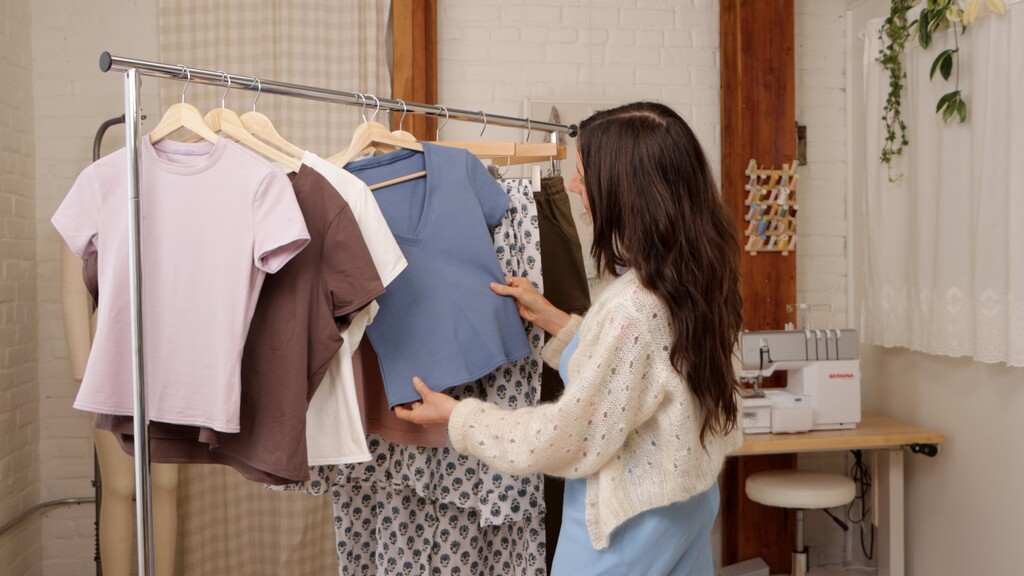
That slow accumulation of "fine" clothing is exactly why sewing your own basics might be the most worthwhile skill you can build as a maker. Not the showstoppers. Not the special occasion pieces. The everyday stuff — the t-shirts, the tank dresses, the pull-on shorts you wear constantly.
Here are five reasons why sewing your basics changes everything.
Reason #1: Fit Stops Being a Compromise
One of the most common things I hear from people who start sewing is that they were just fed up with clothes that never fit right. It makes complete sense. Ready-to-wear is mass produced to fit as many people as possible — which means it never truly fits anyone perfectly.
When you sew your own basics, you control every variable: neckline depth, hem length, how much ease there is. You can dial in a fit that's totally unique to your body.
Sewing doesn't solve fit overnight — it's something you learn gradually, through trial and error. But that process has a payoff that's hard to describe until you experience it. When everything finally clicks — the neckline sitting exactly where you want it, the waist hitting in exactly the right place — you think: oh, so this is what this is supposed to feel like. And then you can't believe you settled for anything less.
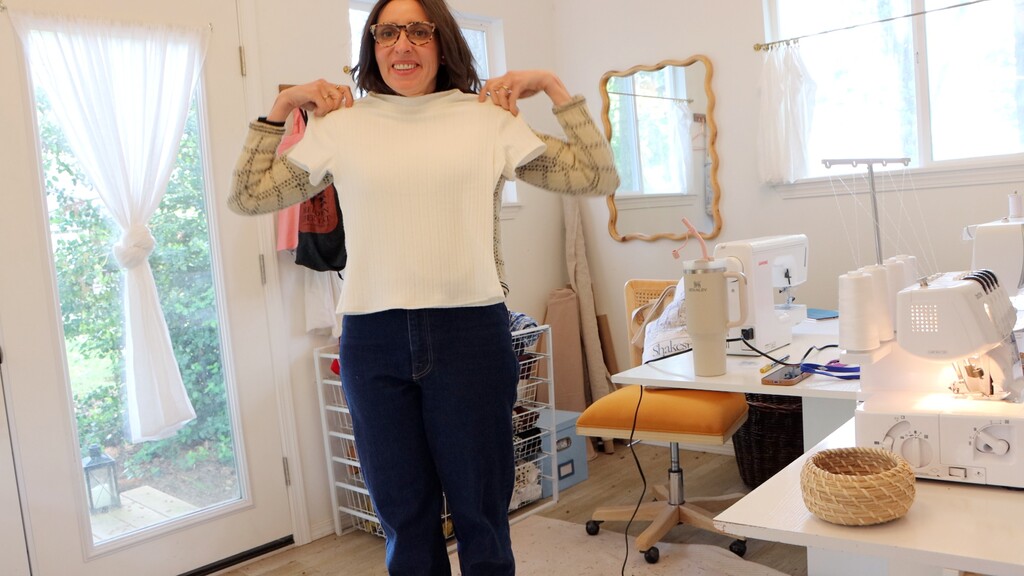
The Seamwork Morgan tee is exactly where I'm putting that into practice this season. I practically live in fitted long-sleeve tees as a base layer in the winter, and I knew exactly what I needed from the summer version of this kind of top. Because I'm sewing it myself, I have the freedom to tweak the pattern as many times as I need to until it's exactly right. That level of customization just isn't possible with ready-to-wear.
Tip: If you're building a summer wardrobe from scratch, download the Seamwork free wardrobe planner. It walks you through mapping out your projects, thinking through how pieces will work together, and making sure what you sew actually gets worn.
Reason #2: A Good Pattern Is Yours to Keep — Forever
Have you ever finally found something that fits perfectly, loved it so much you went back to buy a second one, and found it was just... gone? Then you spend a frustrating amount of time trying to find something similar and never quite get there.
That's the fundamental problem with relying on ready-to-wear for the pieces you love most. It changes on you. A style gets discontinued. A brand tweaks their fit. A size run shifts. You finally find something that works, and it has a shelf life you don't get to control.
When you sew your own basics, once you've dialed things in, you have a pattern you can come back to again and again. Make the same tee in five different fabrics. The same pull-on shorts in linen for summer and flannel for winter. There's no more guessing because the fit is already solved.
This is exactly why I'm using the Seamwork Leif pajama pants for the shorts I'm sewing this season. I practically lived in the cotton shirting pair I made this past winter, so now I'm taking that same pattern I already know and trust and shortening it into boxer shorts. I don't need to do a muslin. I can just take what I learned from my first pair and remake them over and over. The pattern predictability is what makes this such an easy win for a summer capsule.
Reason #3: A Simple Silhouette Becomes a Canvas for Your Fabric
Fabric choice can make or break a garment. A silhouette you look right past in a solid can be a total showstopper in a print. When you shop ready-to-wear, those decisions are completely out of your control — you're stuck choosing from whatever colorways happen to be trending that season.
But when you sew for yourself, fabric becomes a genuine part of the creative process.
With a basic silhouette, the fabric gets the full spotlight. Your fabric choice is what determines how that piece hangs and wears — whether it feels crisp and structured or soft and fluid against your skin. It's also where your personality as a maker really comes through. I love adding embellishments to my makes, and honestly basic patterns are perfect for that — there's so much open space to play with.
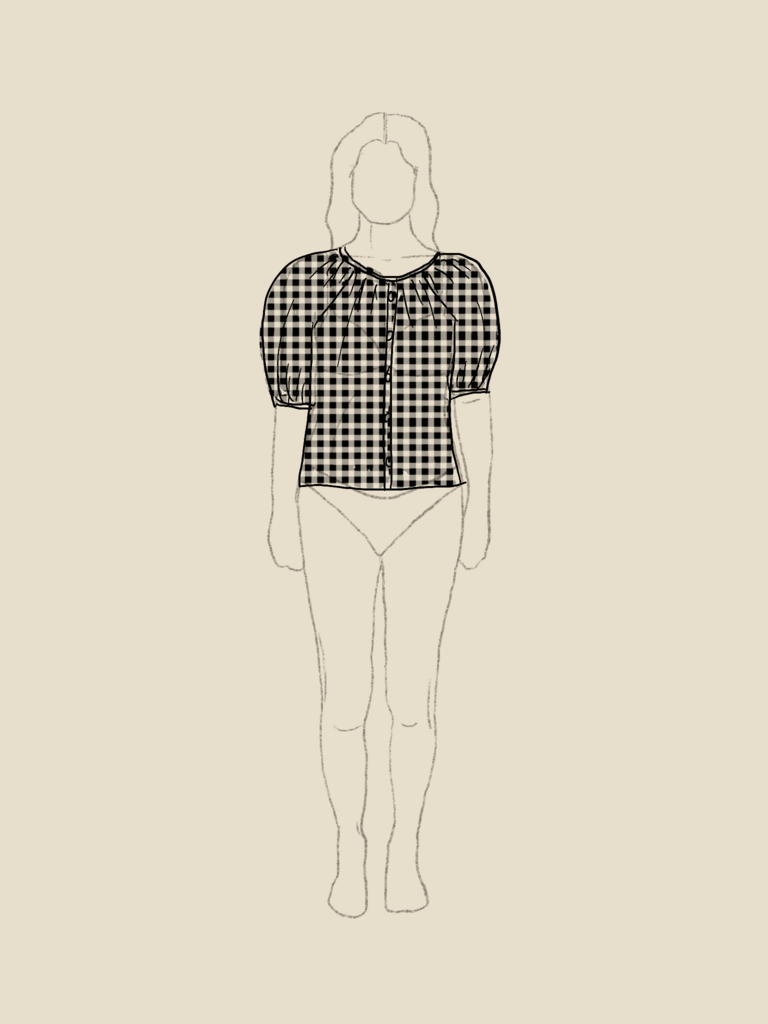
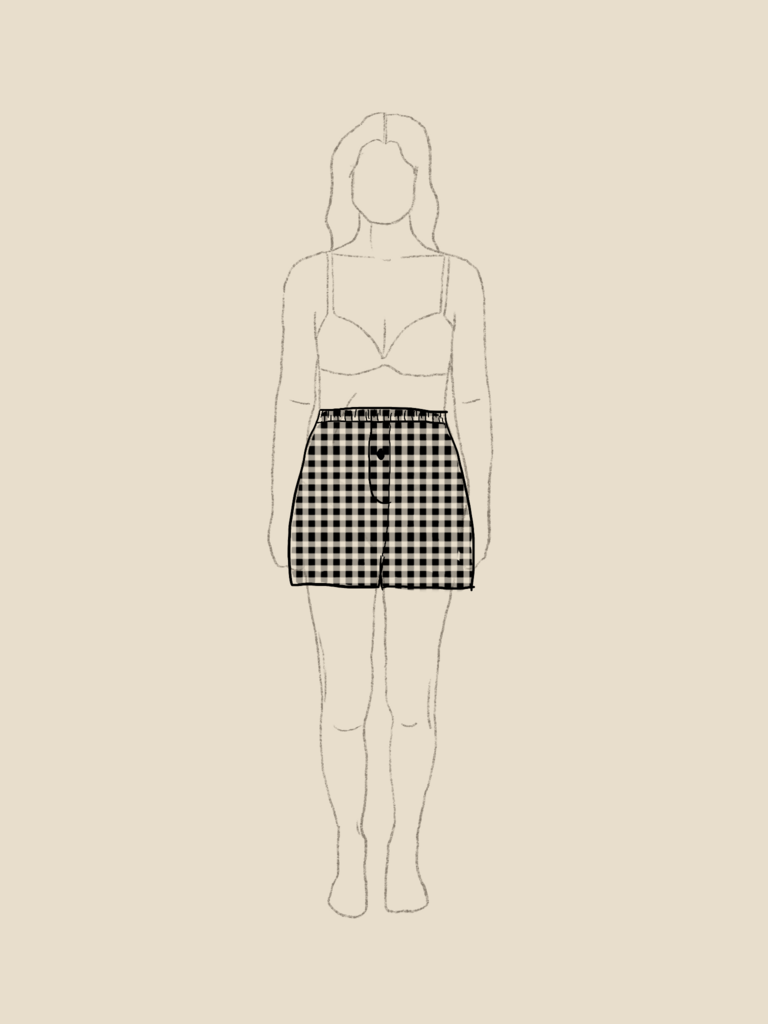
Those Leif boxer shorts I mentioned? I'm making them as a set with the Seamwork Fern blouse in the same gingham check. On paper they're both simple makes, but that classic fabric is going to give them a polish that goes well beyond what you'd expect from either pattern on its own. That's exactly what a great fabric can do for a basic silhouette.
Reason #4: The True Cost of a Basic Is About How Often You Wear It
Picture this: you're scrolling for a white t-shirt. You find one that looks okay, it's cheap, so you order it. It arrives — fits well enough — so you keep it even though it's not quite right. You wear it a few times, it pills, the shape gets a little wonky, and eventually it lives at the back of your drawer. Technically still wearable, but mostly just taking up space.
Now think about what you actually spent. Not just the dollar amount — but the time scrolling, the mental energy of keeping it, the slow frustration every time you reach past it. That cheap shirt wasn't cheap at all. It just spread its cost out in ways that are harder to see.
Here's a more useful calculation: cost per wear — what something costs you divided by how many times you actually reach for it. A garment that fits you perfectly, in a fabric you love, gets a little cheaper every single time you put it on. Basics are where that calculation pays off most, because you reach for them constantly.
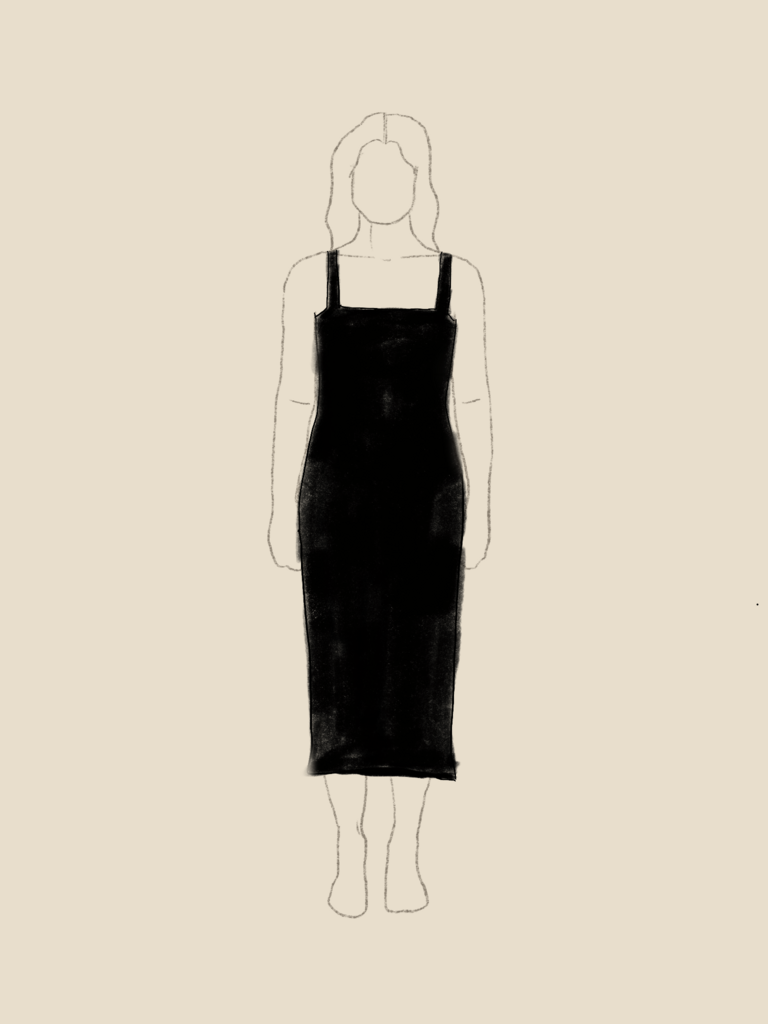
The Seamwork Citron dress I'm sewing this summer is a perfect example. A black knit tank dress is about as simple as it gets — but it's also something I'll wear constantly. When I travel, I always pack one because it layers so easily: a button-up over it during the day, a shawl and sandals for dinner, a light sweater when it gets cool. A dress like that will earn its cost back faster than almost anything else I could sew. Because I'll wear it a hundred times, not five.
Tip: Before you start a new project, ask yourself honestly: how many different ways could I wear this? If the answer is more than five, it's probably worth sewing.
Reason #5: Making Something Yourself Makes You Care for It Differently
Think about the pieces in your wardrobe that you actually take care of — the ones you hang up properly, wash carefully, think twice about before tossing in a bag. Are those the things you bought quickly and cheaply? Or are they the things that meant something when you got them?
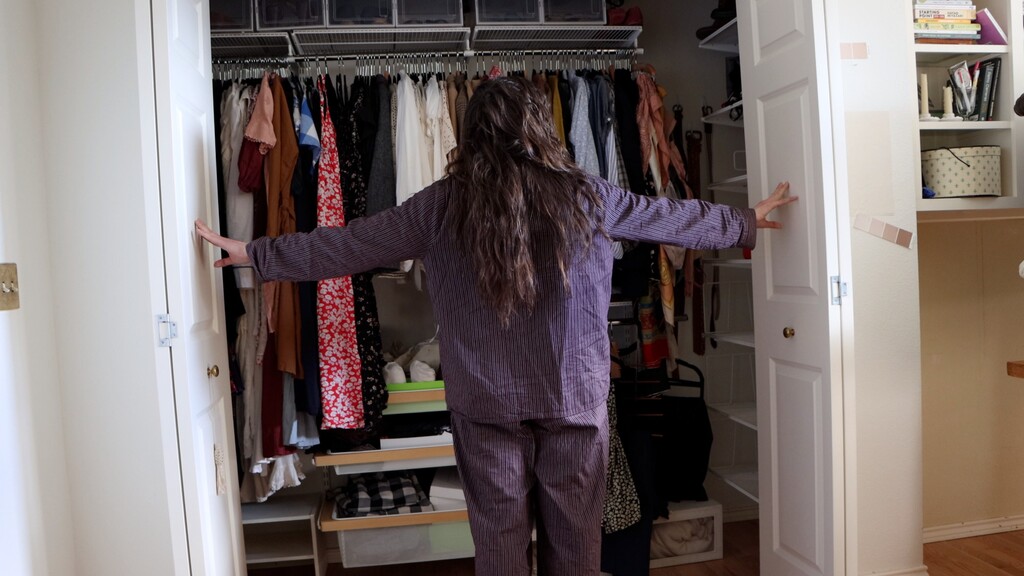
The things we're invested in are the things we take care of. When clothing costs almost nothing and is easy to replace, there's no reason to be attached to any of it. You wear something a handful of times, it wears out or you get bored of it, you move on. Nothing in the cycle is worth slowing down for.
Over the years I've found that the pieces I'd made myself — even the imperfect ones — were the ones I was most reluctant to let go of. Not because they were always the best things in my wardrobe. But because we had a shared history. I remembered choosing the fabric, deciding on the details, the particular afternoon I sat down to finish the hem.
That changes how you treat something. You're more likely to repair it when it wears out, more thoughtful about how you wash it, and less likely to just toss it when the trend shifts.
This is something I keep coming back to as I think about this summer's sewing. I'm making four pieces. None of them are complicated, but every single one was a considered choice. I looked at my actual life — the actual summers I have, gardening, walking the dogs, heading down to the river — and I chose projects for that life. That's not accumulation, it's curation. And that shift is one of the most meaningful things sewing has given me.
The Best Basic Patterns to Start With
If you're looking for a place to start building out your basics wardrobe, these Seamwork patterns are the ones worth coming back to again and again — reliable workhorses that keep earning their place in your rotation.
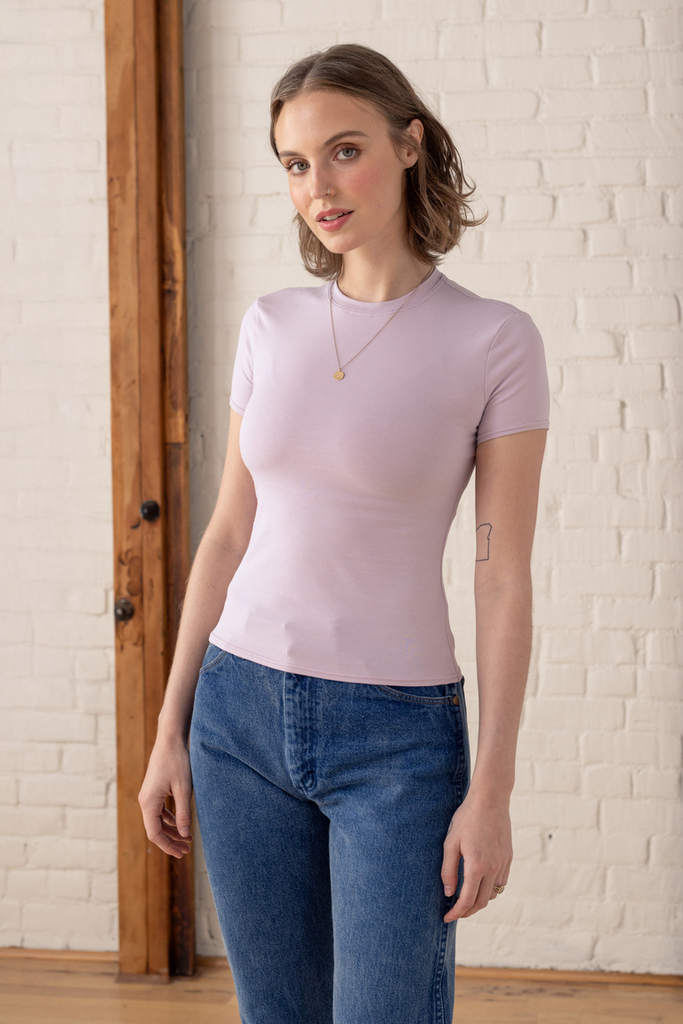
Morgan Tee — This is the perfect place to start. It's a close-fitting crew neck tee with a clean band neckline, the kind of shape that layers beautifully under overalls or a slip dress, or just works on its own with jeans. I'm making mine in a white pointelle knit this season, but this pattern works in almost any jersey. Once you've got the fit dialed in, you'll want to make it in everything.
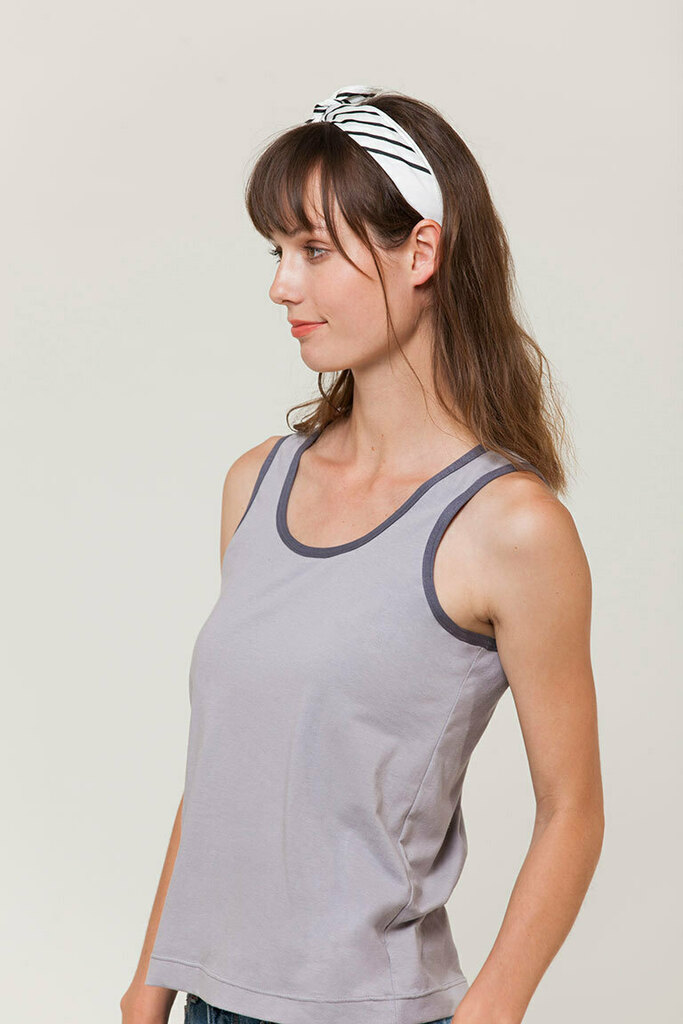
Julia Tank — If tanks are more your thing, this is your answer. It has a flattering scoop neckline and a relaxed fit that mixes easily with whatever you already own. The bound neckline and armholes are a great opportunity to play with contrast binding — and it's a really approachable way to practice working with knits if you're still building confidence there.
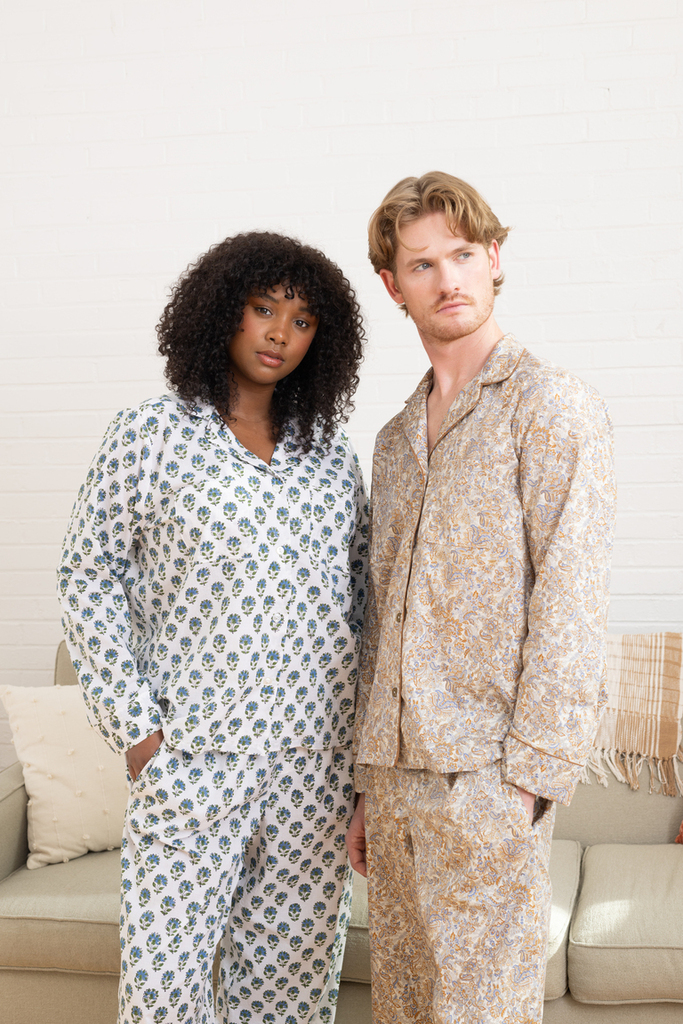
Leif Pajama Set — This is one I keep coming back to. I made the pants in a cotton shirting with a silky hand — it feels genuinely luxurious against the skin, which is exactly what you want in something you're going to wear every single day. But what I love about Leif is how adaptable it is. This summer I'm shortening the bottoms into boxer shorts in a crisp gingham, and they're going to be completely different garments. If you've been on the fence about this one, consider it your permission to just make the bottoms first.
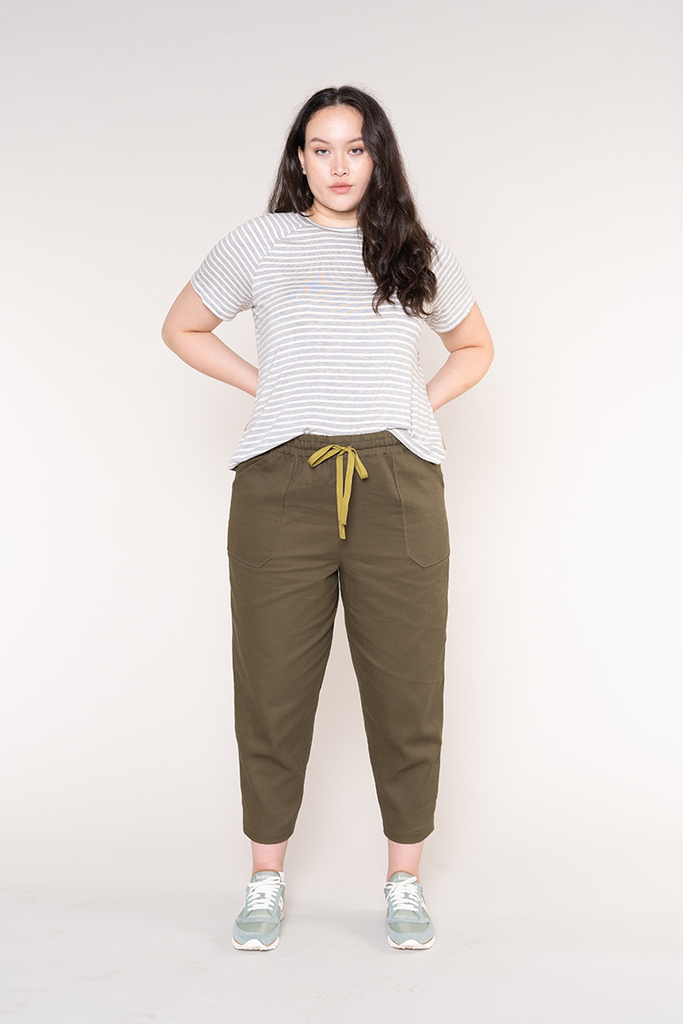
Witt Joggers — For something a little more elevated, these are worth a look. They're a mid-rise woven jogger with a tapered leg and patch pockets — the kind of pants that look like you tried without actually trying. The woven fabrication is what makes them feel special, and this is a pattern where you can really have fun experimenting with fabric.
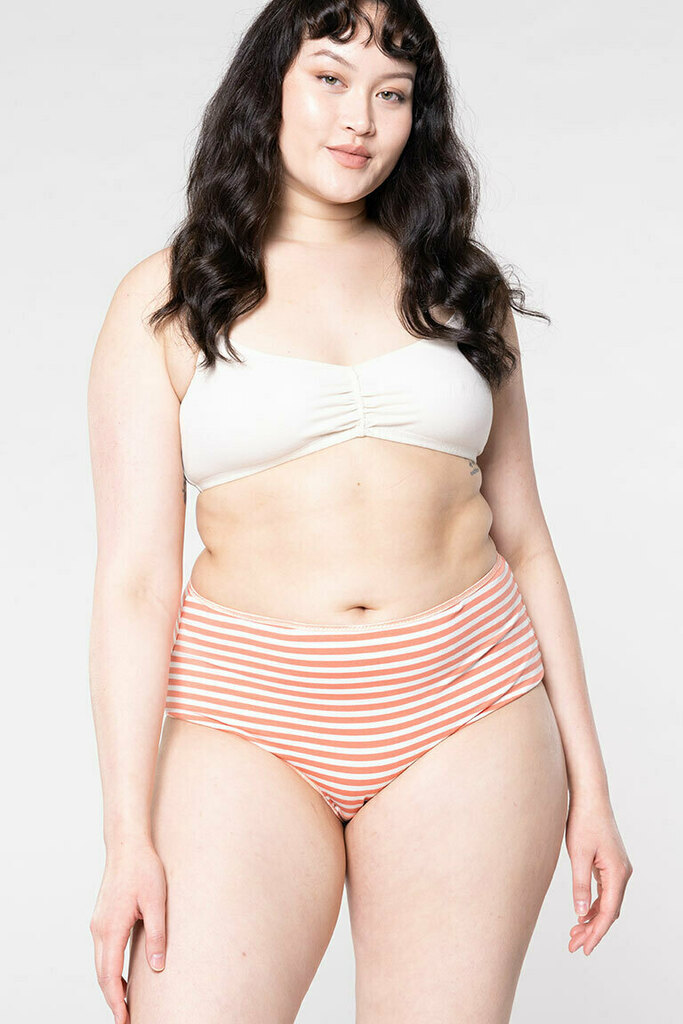
Flo Undies (Free Pattern) — A lot of people will balk at the idea of sewing something as basic as underwear, but once you've made your own, it's genuinely hard to go back. The Flo pattern is free and a great way to use up knit scraps. They're designed as period underwear, but if you don't need that functionality you can skip the absorbent layer and have a really comfortable everyday pair. It's one of those makes that feels almost too easy for how satisfying it is.
Start With the Basics, Build From There
The basics are where sewing really pays off. They're the pieces you reach for every single day, which means they're also the pieces where fit matters most, where fabric choice shines the brightest, and where the cost per wear drops fastest.
If you've been putting off sewing the simple stuff in favor of more exciting projects, I hope this gives you a reason to reconsider. There is nothing more exciting than a wardrobe full of things that actually fit, that you actually love, that you actually reach for.
What basic are you most excited to sew first — a tee, a tank, or a simple bottom?