Do you find yourself finishing a project and immediately thinking about what new pattern to try next? I'm the same way most of the time—but after nearly 30 years of sewing, I've discovered that some patterns are worth returning to again and again.
These aren't just cute projects that look good in photos. These are the patterns that have earned their way back to my sewing table because they've proven themselves in real life. They've gone from "fun to make" to actual wardrobe staples I reach for constantly.
Today I'm sharing five patterns that keep proving their worth, plus the lessons each one taught me about spotting repeat-worthy designs. By the end of this article, you'll know how to identify your own go-to patterns so you can stop collecting and start building a wardrobe you actually love wearing.
The Ash Dress: One Silhouette, Endless Possibilities
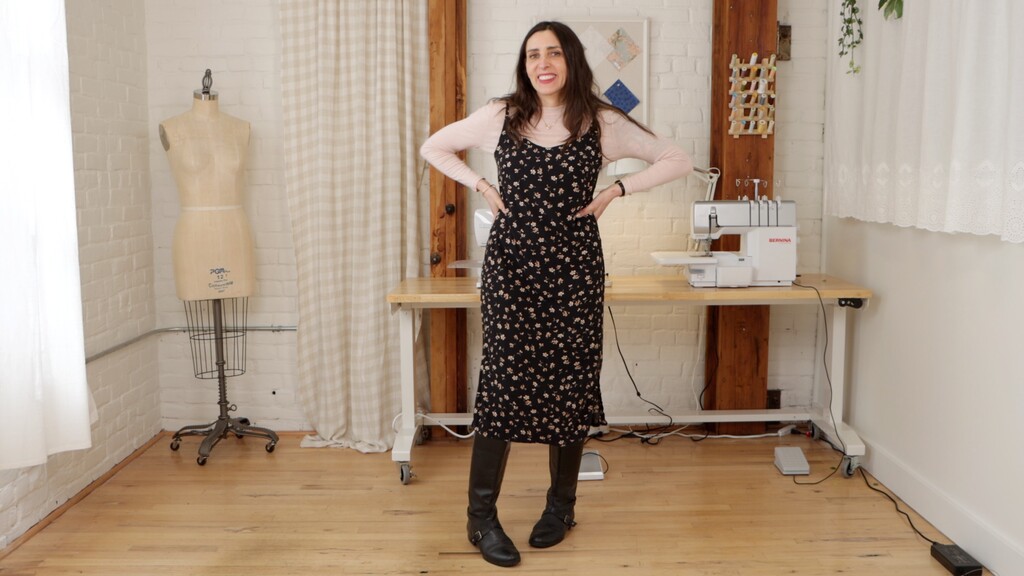
Let's start with the Ash dress—a simple slip dress that's become an absolute workhorse in my closet. I've made three so far, all in rayon challis because this fabric just sings with this pattern.
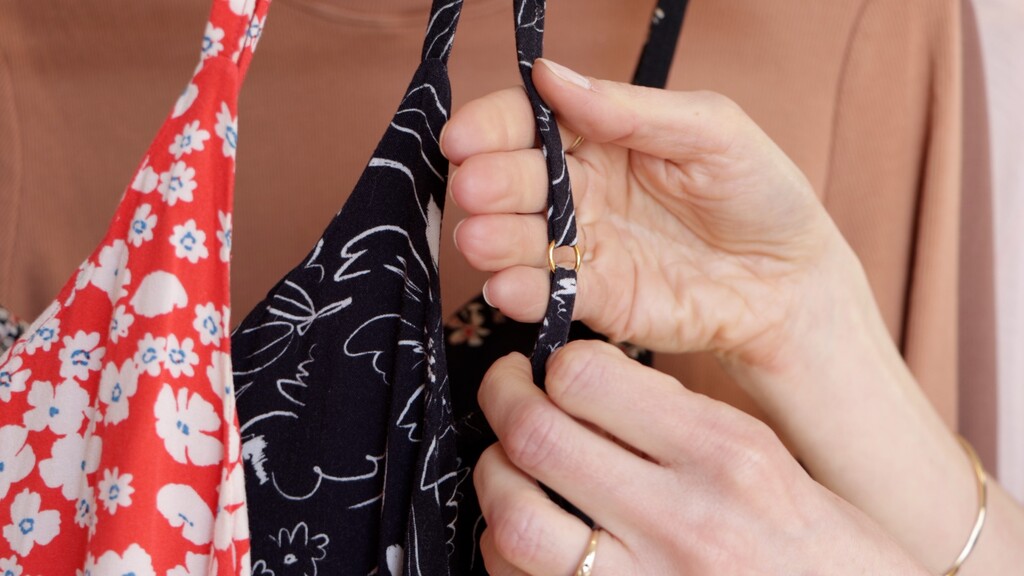
My first was a bright cherry red with little white and blue flowers that immediately caught my eye. The second came from Blackbird Fabrics—this irresistible fabric with a subtle cat floral that I just couldn't pass up. Those little lounging cats! For this one, I used gold-tone hardware for the straps, which adds such a nice touch. My third is a black rayon challis scattered with small pink blossoms.
Why Ash Works for Every Season
What makes Ash truly special is its versatility. This one silhouette handles everything I throw at it.
In colder months, I layer it over turtlenecks or long sleeve tees with tights and boots. When things warm up, I can wear Ash on its own with flats or sandals. It transitions seamlessly between casual and dressy depending on how I style it.
What I've noticed with these Ash dresses is that I'm constantly reaching for them—they solve so many different outfit needs that I find myself turning to them again and again. That's when you know you've found a tried and true pattern: when it becomes your go-to piece rather than something you save for special occasions.
Plus, since slip dresses don't use as much fabric as sleeved dresses, they're the perfect excuse to finally pull out those special fabrics you've been hoarding in your stash.
The Alice Shirt: The Ultimate Layering Piece
Let's move on to the Alice shirt—one of my most worn makes ever. I've made two so far, both in 2x1 rib knit from Isee Fabrics. This fabric pairs beautifully with the pattern and comes in so many gorgeous, muted colors. The fabric feels substantial too, not flimsy like some knits can be. I made one in milk chocolate and another in sunbake—both colors that work seamlessly with the rest of my wardrobe.
Finding Your Perfect Base Layer
What makes Alice a true wardrobe staple is its versatility as a layering piece. It's better than any of the similar ready-to-wear shirts I own. You can wear it under sweaters, pinafores, dresses, with pants—honestly, it looks good with anything.
I reach for my Alice tops constantly in the colder months because they're that perfect weight for layering without adding bulk. They're my ultimate base layer, and that's something every wardrobe needs.
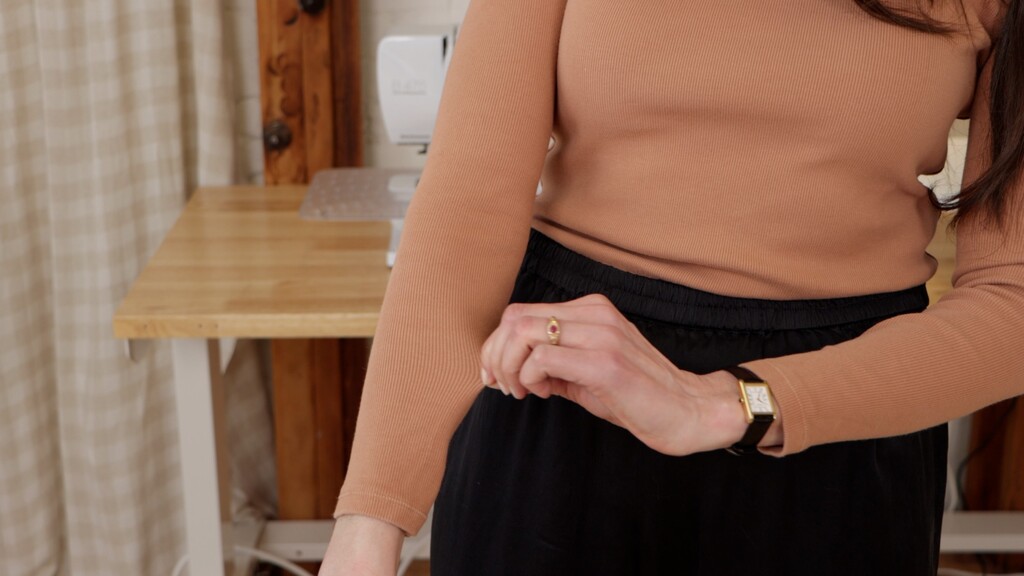
Alice taught me something important: the best repeat-worthy patterns aren't just fun to sew, they fill gaps in your wardrobe. I was always struggling to find the right layering piece, and this shirt nailed it completely. It's not just a pattern I enjoyed sewing—it proved itself through months of actual wear.
If you're looking for more layering inspiration, read this article on building a capsule wardrobe with versatile basics like Alice.
The Fig Cardigan: Two Hours to Sew, Infinite Ways to Wear
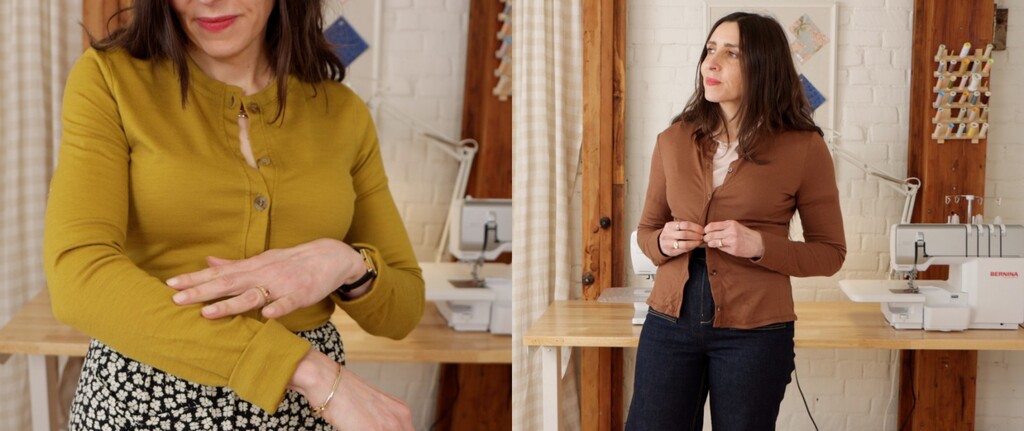
The Fig cardigan is another pattern that had me cutting out a second version immediately after finishing the first. I've made two, both in merino wool jersey from The Fabric Store—a dream to sew with and even nicer to wear. It has great stretch and recovery, feels lightweight, and isn't itchy at all.
My first was chocolate brown, and for my second, I went bold with a lemongrass color. I'm starting to love this golden olive shade on me—it's not one I've gravitated toward in the past, but it works well with my hair and skin tone. I definitely want to sew with it again.
The Planning-While-Sewing Test
Here's what Fig taught me about spotting repeat-worthy patterns: You know a pattern is special when you're planning the next version before you've even hemmed the first.
I was already plotting Fig cardigan number two while still sewing number one. Why? It comes together in just a couple hours but gives you maximum wearability.
The Fig proves this formula perfectly. It's easy to make and such a versatile layering piece—you can wear it buttoned up as a sleek top or throw it over dresses, tanks, and tees pretty much year-round.
When you catch yourself mentally shopping for fabric for the next version or imagining how it would look in different colors, listen to that instinct. That's your brain telling you this pattern is a winner worth repeating.
The Joss Pants: When Patterns Reveal Themselves Slowly
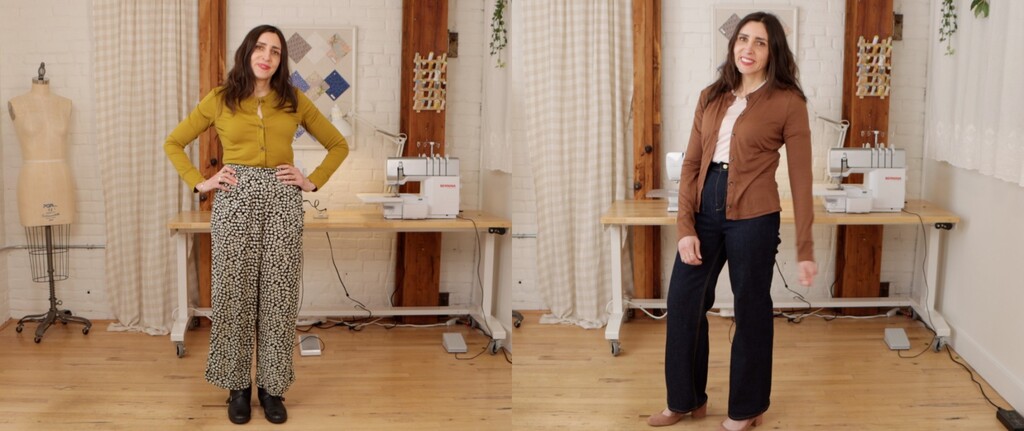
Now let's talk about the Joss pants—I've made these three times, and each version taught me something important about what makes a pattern worth repeating.
My first pair was in rayon twill in what I thought would be a classy camel color. When I got the fabric home, I realized it was exactly the same color as my skin. Yikes! But here's the thing—even though that first pair didn't work out, I could tell the pattern had potential.
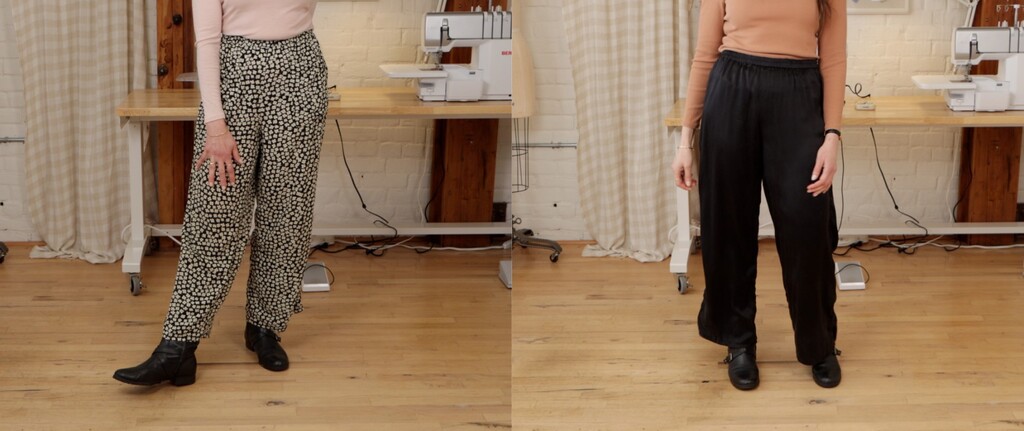
So I made them again, this time in viscose crepe with a black and tan clover print from Emma One Sock. The fabric has beautiful drape, and suddenly I could see what these pants were meant to be. My third pair is in black silk charmeuse because I really wanted silk lounge pants this winter.
Learning from Less-Than-Perfect First Attempts
My Joss journey proves something crucial: not every pattern will be repeat-worthy on the first try, and that's perfectly fine!
Sometimes a pattern has perfect bones but needs the right fabric choice or styling. Version one taught me the silhouette worked. Version two taught me the fabric makes all the difference. Version three? Now I have pants I reach for twice a week.
I knew Joss was a silhouette I would get lots of wear out of, even when the first version missed the mark. These pants are comfortable enough for working from home but polished enough for errands. When a pattern works with how you actually live your life, not just how you imagine living it, you've found something special.
For more tips on choosing the right fabric for your lifestyle, check out this guide to building a practical handmade wardrobe.
The Chelsea Jeans: Small Changes, Big Impact
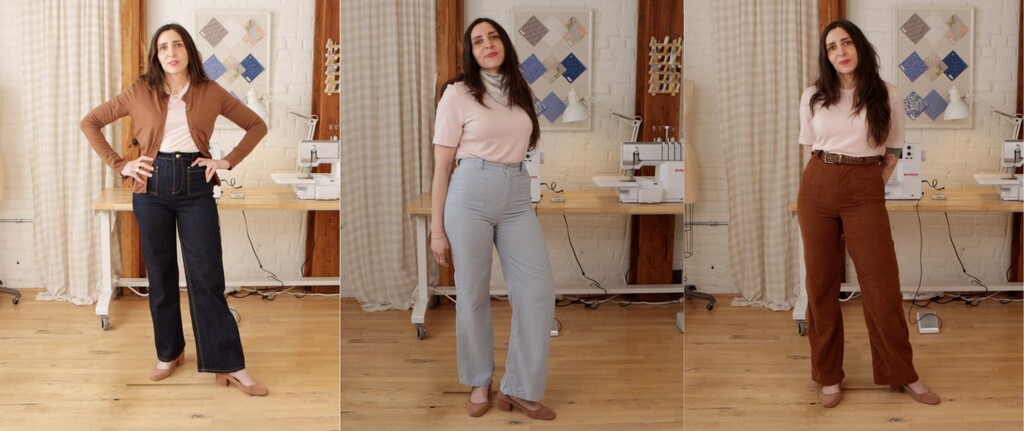
This next pattern perfectly demonstrates how small modifications can turn a good pattern into one you'll make over and over again. I'm talking about the Chelsea jeans. I've made three pairs so far, but I seriously want to make these in every color: more denim, corduroy, maybe even wool.
My first pair was in light blue corduroy, followed by a dark wash stretch denim that feels dressier than light denim and works with most of my tops. My third pair is in chocolate brown corduroy—basically my perfect fall pants. The brown goes with almost everything in my wardrobe, and those patch pockets and flared legs have that cool 70s vibe I love.
The Power of Pattern Modifications
Here's what makes Chelsea special for me: I modified the pattern to suit my taste. For my first pair, I changed the flare to start above the knee instead of below because it works better for my body shape.
This straight flare from the hip gives me the perfect silhouette that flatters my legs and hips. I made the same modification on all three pairs I've sewn so far. That one change took this pattern from something I might skip to something I absolutely love the fit of.
These jeans are comfortable, cute, and go with so many of my tops. They've honestly become some of my most-worn pants, which feels especially rewarding since jeans are such a commitment to sew—all that topstitching and hardware takes real time and effort.
The lesson here is that sometimes a small change can transform a pattern from a one-time make into a true favorite—and it's worth taking the time to make those adjustments.
If you want to learn more about fitting and modifying patterns, read our comprehensive guides to basic pattern adjustments.
How to Spot Your Own Repeat-Worthy Patterns
After years of sewing and these multiple makes, I've learned to recognize the signs of a truly great pattern:
The Immediate Planning Test
If you find yourself planning version two while still sewing version one, that's a pattern worth repeating. Your brain is already seeing the potential.
The Gap-Filling Factor
The best patterns don't just look good—they solve actual problems in your wardrobe. Whether it's the perfect layering piece or pants that work for both home and errands, functional patterns get the most wear.
The "Just One More" Feeling
When you finish a project and immediately want to make it in every color or fabric you can think of, listen to that instinct. That enthusiasm usually translates to real-world wearability.
The Lifestyle Match
Patterns that work with how you actually live (not just how you wish you lived) are the ones you'll reach for again and again. Comfort, practicality, and style don't have to be mutually exclusive.
Building a Wardrobe Instead of Collecting Projects
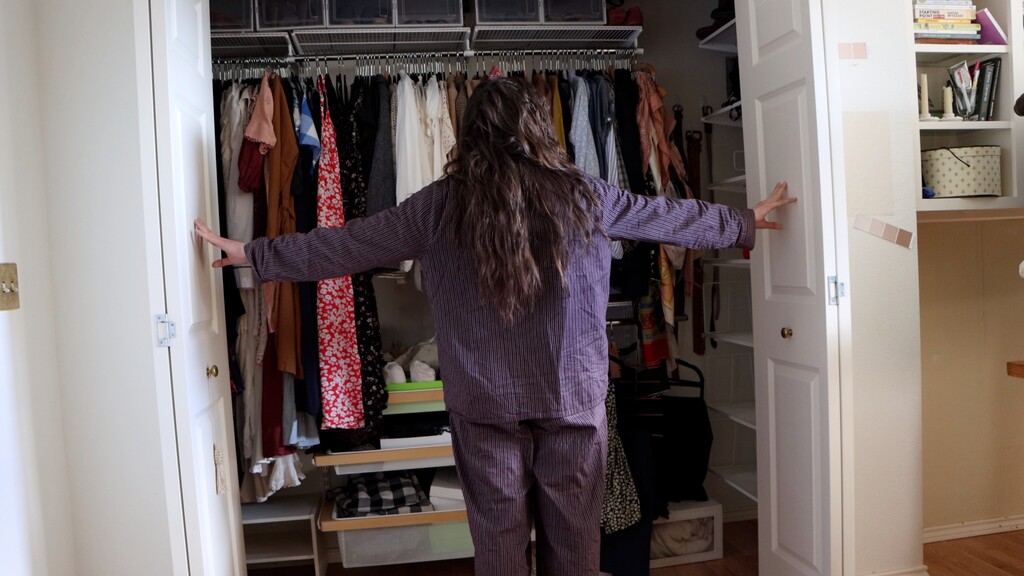
Here's what I've learned over the years: even amazing patterns won't create a cohesive wardrobe if you're not strategic about your approach. The key is moving from project-focused thinking to wardrobe-focused thinking.
Instead of asking "What's the next cute thing I can make?" try asking:
- What gap does this fill in my current wardrobe?
- How many different ways can I style this?
- Does this work with my actual lifestyle?
- Am I excited enough about this to potentially make it again?
These five patterns—Ash, Alice, Fig, Joss, and Chelsea—all passed these tests with flying colors. They've become the backbone of my handmade wardrobe because they're not just fun to sew, they're essential to how I get dressed every day.
The magic happens when you find those patterns that you genuinely love making AND wearing. When you hit that sweet spot, you stop needing dozens of different patterns and start building a wardrobe that truly works for your life.
What patterns have you made multiple times? I'd love to hear about your own tried-and-true favorites and what made them worth repeating!